Engineered for High-Density Operations, Offering Unmatched Tensile Strength and Cost-in-Use Savings.
Analyzing high-traffic facility demands, regional supply chain variables, and the structural advantages of direct manufacturing integration.
New York State, and specifically the Greater New York Metropolitan Area, represents one of the most concentrated commercial real estate markets in the world. Operating at this scale requires robust facility management pipelines where supply continuity and structural efficiency are paramount. Large-scale infrastructure hubs, including Midtown Manhattan office complexes, JFK and LaGuardia Airports, medical facilities, and academic institutions, operate continuously. This environments demands high-capacity solutions to minimize maintenance cycles and eliminate run-out occurrences.
In this context, the Jumbo Roll Tissue (JRT) format serves as the backbone of institutional hygiene. By increasing roll capacity relative to standard tissue units, property operators achieve significant labor savings. Standardized 9-inch and 12-inch commercial JRT units reduce replenishment frequencies by up to 300% compared to conventional rolls. Furthermore, against the backdrop of New York's strict environmental compliance laws—including local climate mandates and green building standard certifications—facilities are increasingly prioritizing sustainable raw material sourcing, such as FSC-certified virgin wood pulp and high-yield recycled fiber structures.
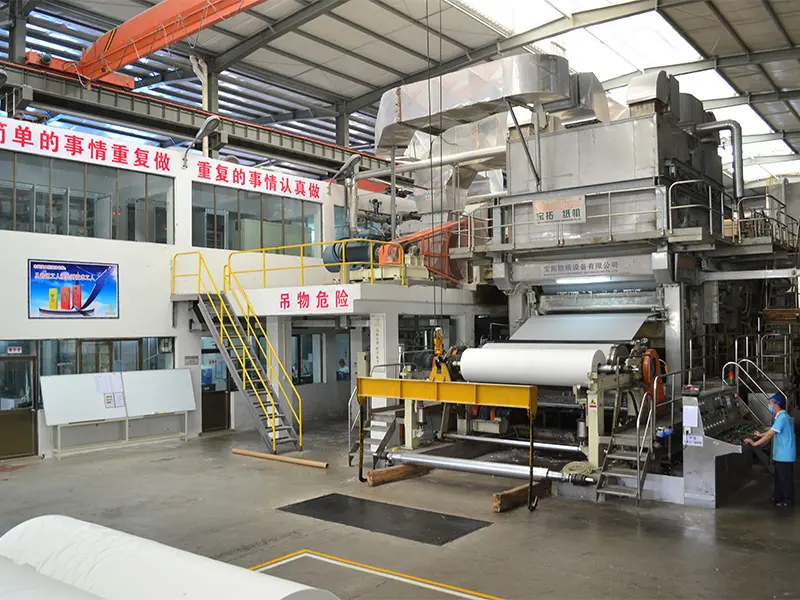
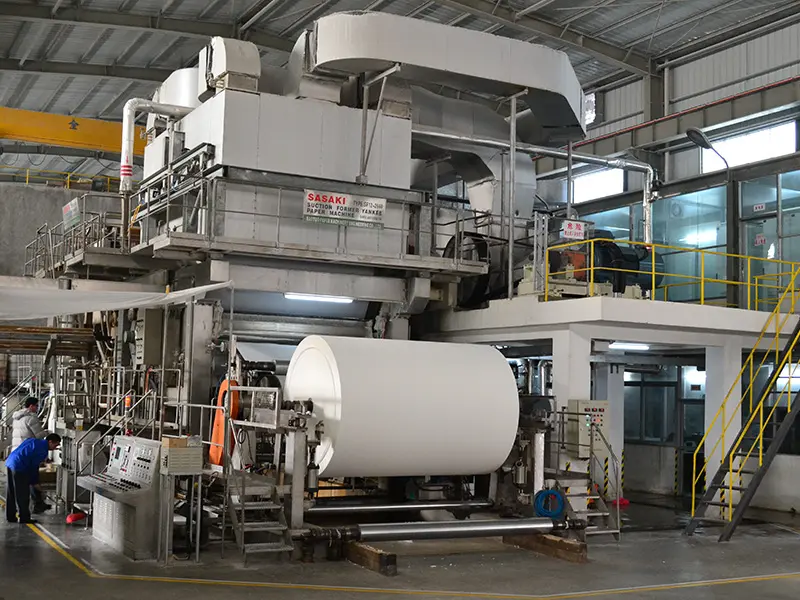
For commercial importers, regional distributors, and purchasing groups across New York, partnering directly with primary manufacturing facilities in China presents significant structural cost benefits. The primary cost drivers in commercial paper production are raw fiber sourcing, machinery efficiency, and thermal energy management during the drying phase. Leading Chinese production facilities, such as Baoda Paper Co., Ltd., leverage advanced high-speed paper-making machinery to process raw fibers with high uniformity and cost efficiency.
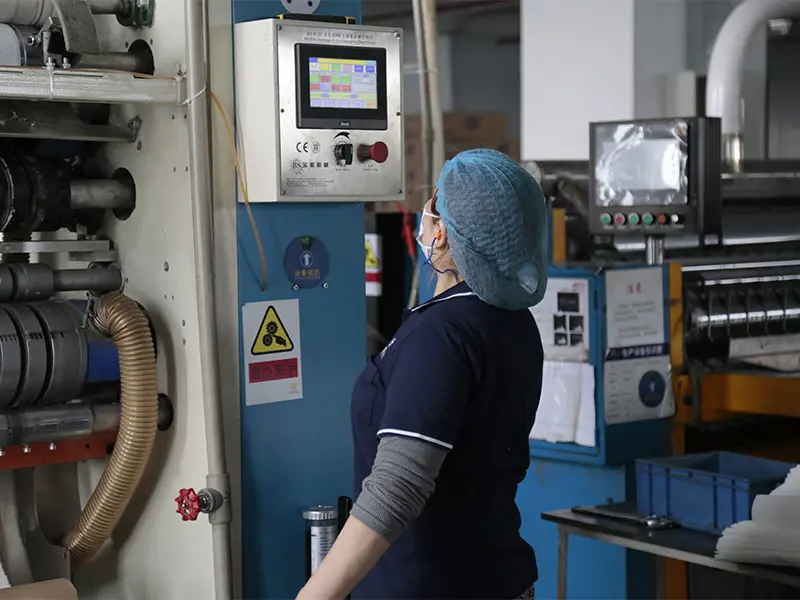
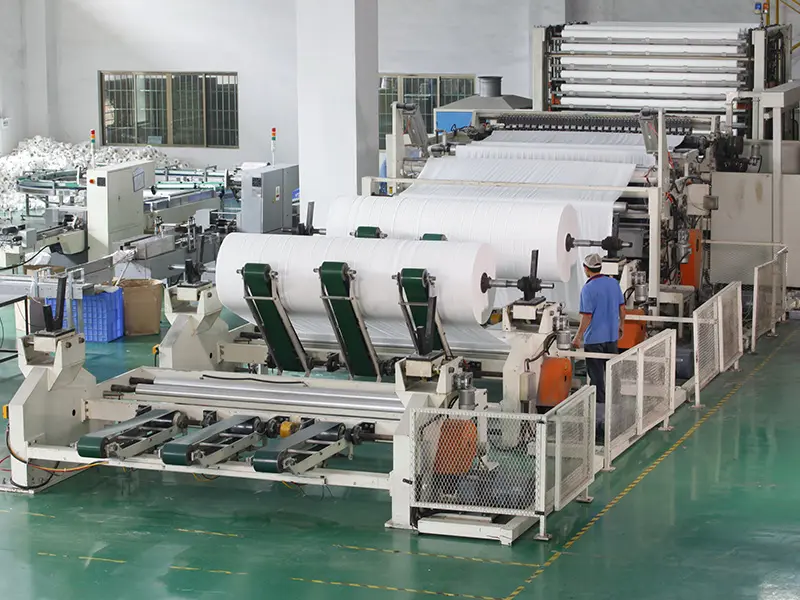
This manufacturing base achieves economies of scale through integrated logistics networks, automated slitting, rewinding, and packing systems, and proximity to major deep-water ports. These factors enable stable supply chains even during global shipping fluctuations. By optimizing container space during the loading phase—maximizing metric tonnage per container—Chinese exporters offset ocean freight costs, delivering highly competitive land-cost values for clients at East Coast ports.
The institutional paper industry is undergoing a structural transition driven by two primary vectors: sustainability and technological innovation. Globally, large enterprises are moving away from unrefined products toward systems with verifiable carbon-footprint credentials. Post-consumer waste (PCW) recycled tissue and certified elemental chlorine-free (ECF) virgin wood pulp are setting the baseline for corporate RFPs.
Technologically, the integration of advanced embossing patterns has transformed performance capabilities. Multi-directional micro-embossing enhances the surface area of 2-ply and 3-ply structures, increasing absorption capacity without adding basis weight. This technology optimizes resource use, reducing raw pulp consumption while maintaining product thickness and hand-feel.
Understanding specific deployment scenarios allows B2B buyers to select the appropriate core diameters, roll lengths, and tensile properties:
Modern global procurement requires managing ocean logistics, quality control, and regulatory compliance. Large buyers should establish clear benchmarks for paper stiffness, absorption capacity, and dry/wet tensile strength.
By maintaining a multi-line direct OEM/ODM relationship with established Chinese manufacturers, brands can run custom programs featuring tailored roll lengths, core sizes, packaging designs, and sheet dimensions. Working with a producer that manages high-volume distribution networks across 60+ countries ensures that your supply chain maintains consistent quality and delivery schedules.
A trusted manufacturing partner delivering high-capacity institutional and retail paper products globally since 1998.
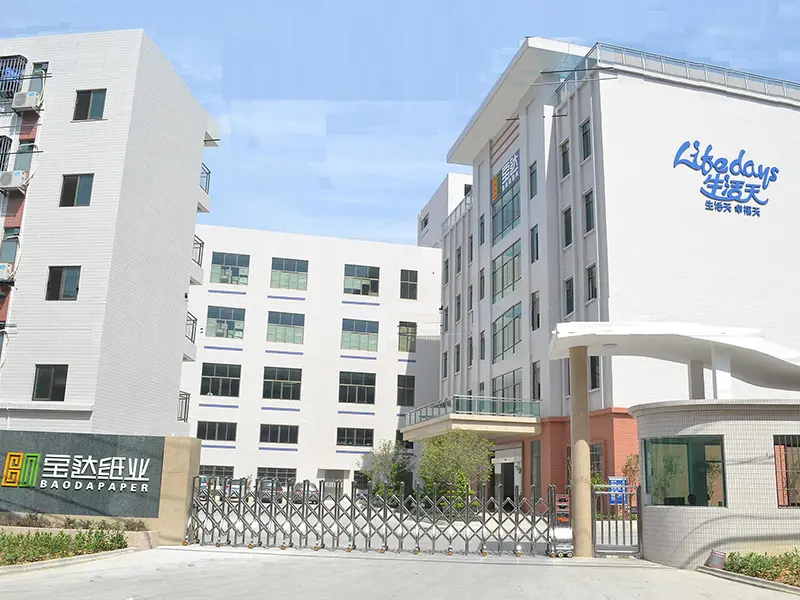
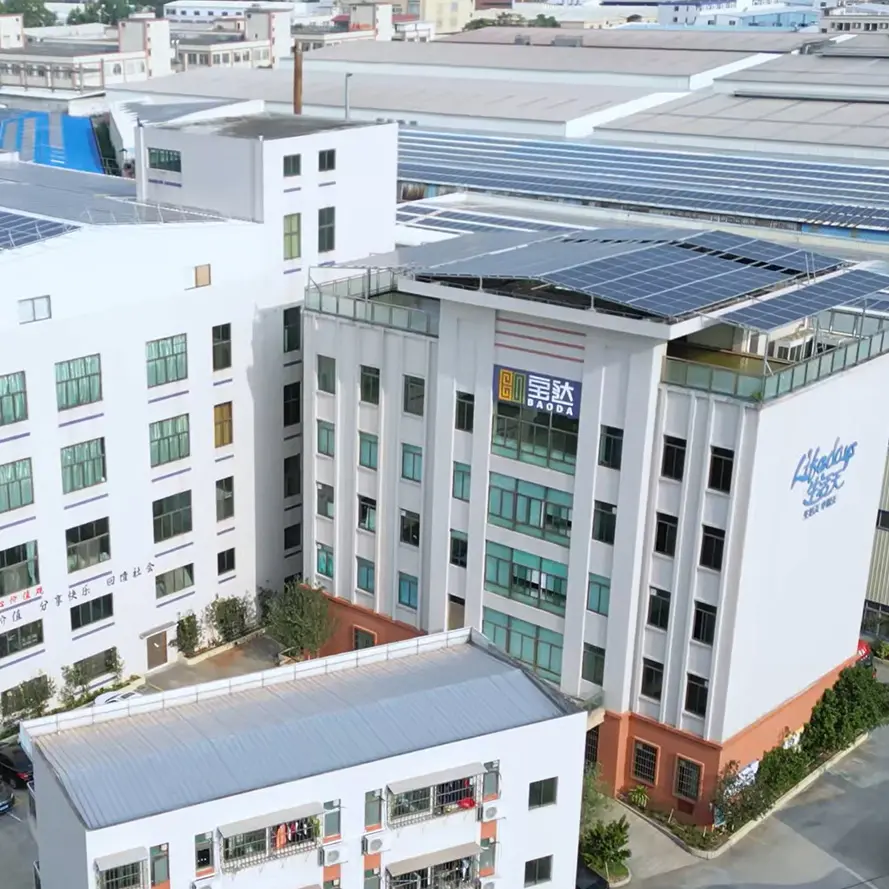
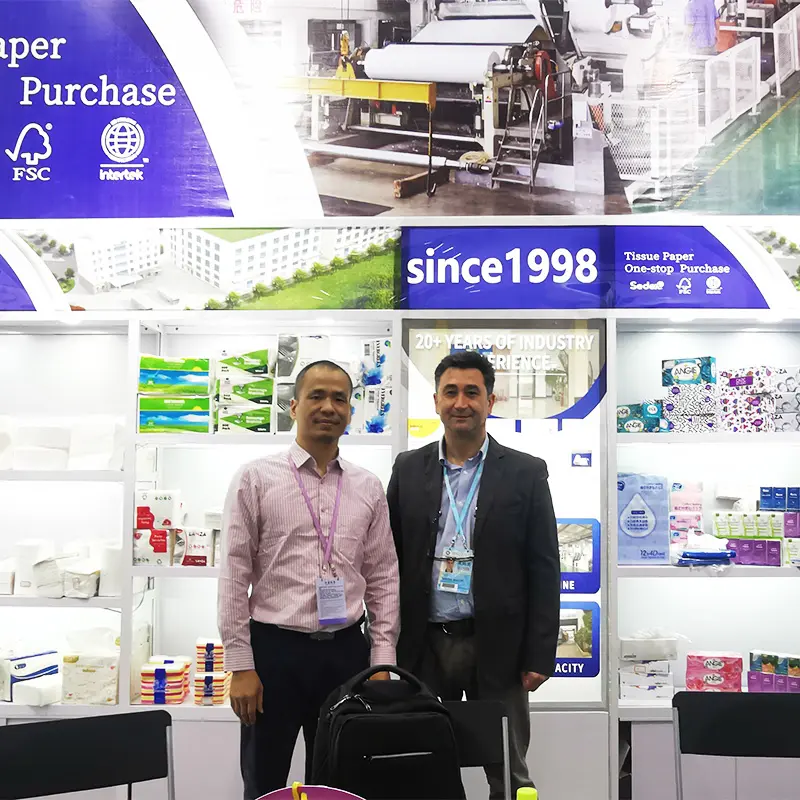
For over 27 remarkable years, since our inception in 1998, Baoda Paper Co., Ltd. has stood as an unwavering cornerstone of China's tissue paper industry, evolving from a domestic manufacturer into a globally recognized force. We have meticulously built our legacy on a formidable foundation of advanced manufacturing excellence and an unwavering commitment to quality. Our modern, sprawling complex, exceeding 20,000 square meters, is a testament to this commitment. Within its walls, we house state-of-the-art, imported high-speed paper machines and sophisticated automated processing lines. This powerful infrastructure is the engine behind our impressive annual production capacity of over 30,000 tons, enabling us to meet large-scale demands without compromising on the consistent quality that defines the Baoda name.
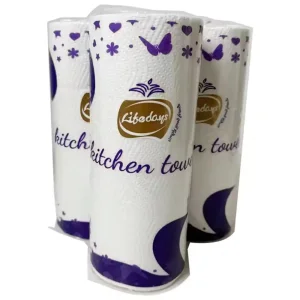
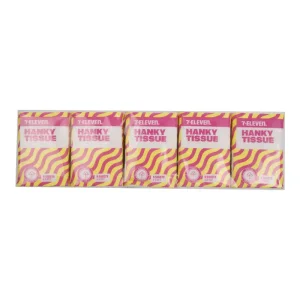
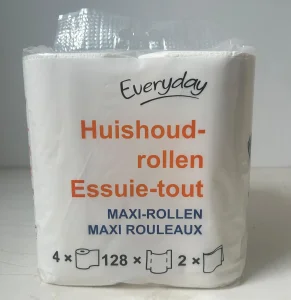
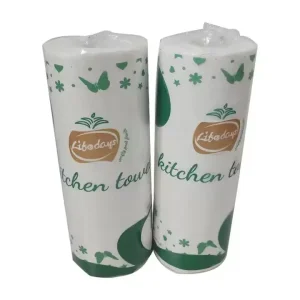
Our comprehensive and curated product portfolio is designed to provide complete one-stop solutions for diverse market needs. We offer an extensive range of products, from essential household items like premium toilet rolls, versatile kitchen towels, and soft facial tissues to convenient and hygienic pocket tissue packs for on-the-go use. Understanding the diverse paths to market success, our business model is both robust and flexible. While we proudly market three successful self-owned brands, we are also a premier partner for clients seeking to build their own product lines. We specialize in tailored ODM (Original Design Manufacturing), OEM (Original Equipment Manufacturing), and OBM (Original Brand Manufacturing) services, working collaboratively to bring our clients' unique visions and brand identities to life with precision and expertise.
Through decades of innovation and consistent delivery, Baoda Paper has become more than just a manufacturer; we are a symbol of quality, reliability, and partnership in the dynamic global tissue market. This dedication has earned us the trust of a vast network of over 10,000 global leaders in retail and distribution, including renowned giants such as Walmart and Watsons.
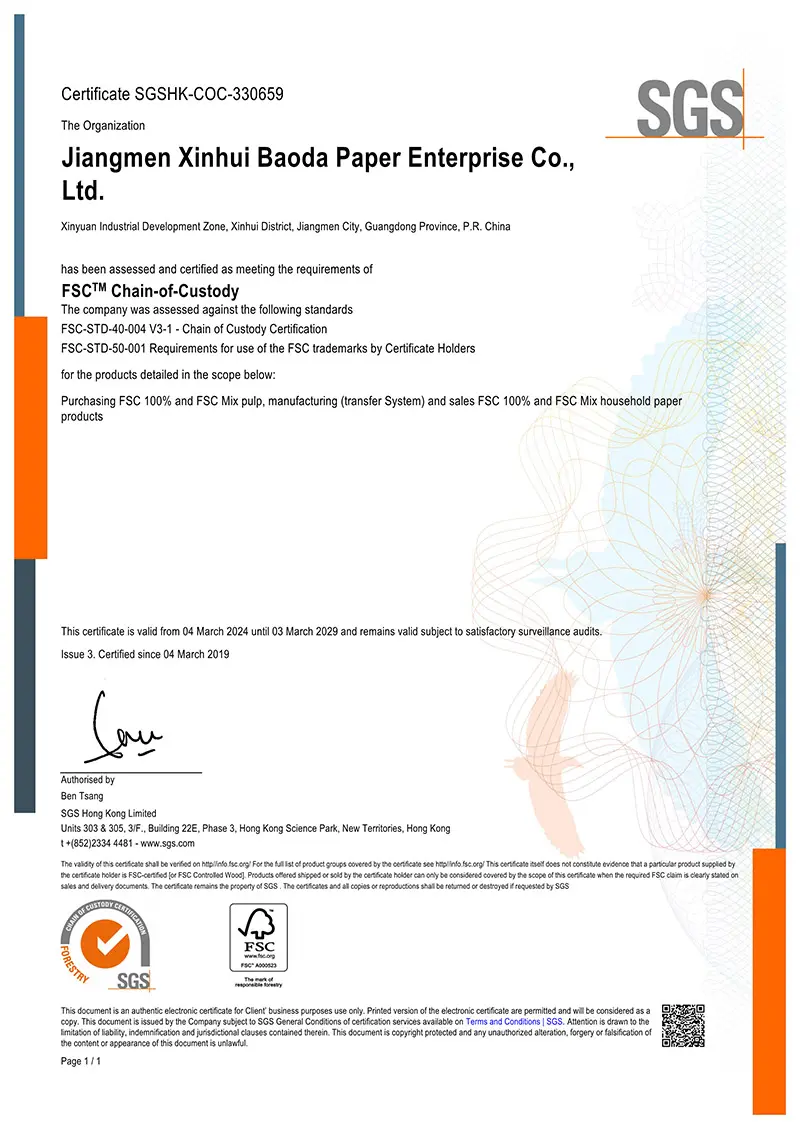
Addressing core questions regarding shipping logistics, raw pulp material grades, customized embossing, and order minimums.
100% virgin wood pulp provides maximum fiber strength, higher brightness, and superior absorbency. These qualities allow facilities to use less paper per visit. Recycled fiber alternatives support sustainability goals and help buildings earn LEED certification credits, though they typically offer lower wet tensile strength compared to virgin structures.
We work with shipping lines operating out of major Chinese ports to coordinate deliveries directly to the Port of New York and New Jersey. We use advanced compression packaging and tailored core configurations to maximize container space. This optimization reduces the landed cost per case, helping protect buyers against spot freight market volatility.
Yes. Our automated rewinding lines are fully adjustable. We support custom core diameters (such as the standard US 3.3-inch or 2.25-inch specs) and outside roll diameters up to 12 inches. This flexibility ensures compatibility with major proprietary and universal dispensing systems.
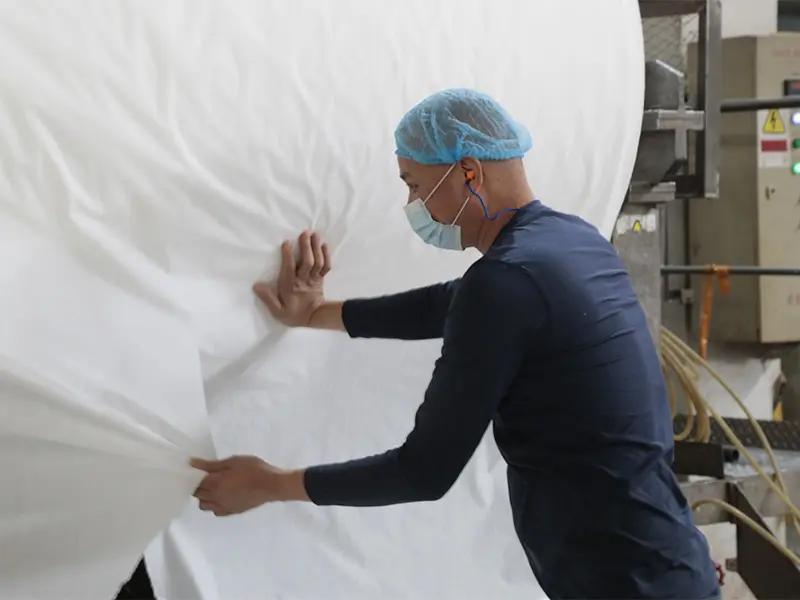
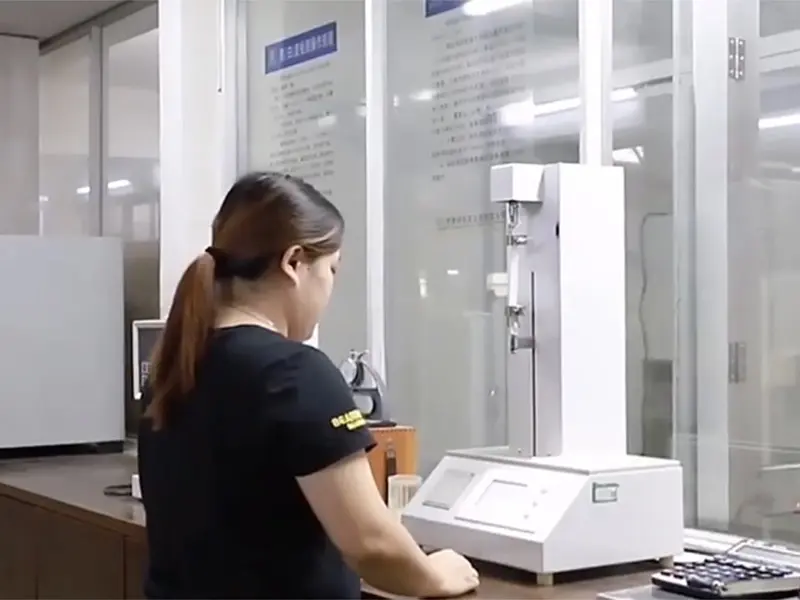
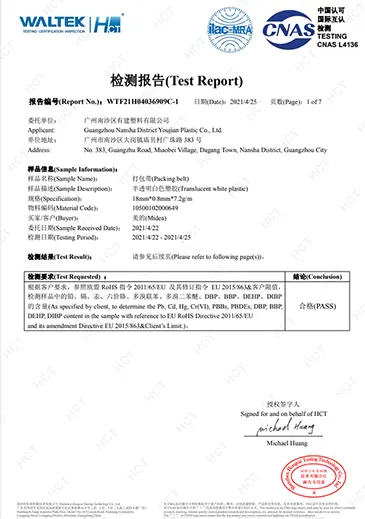
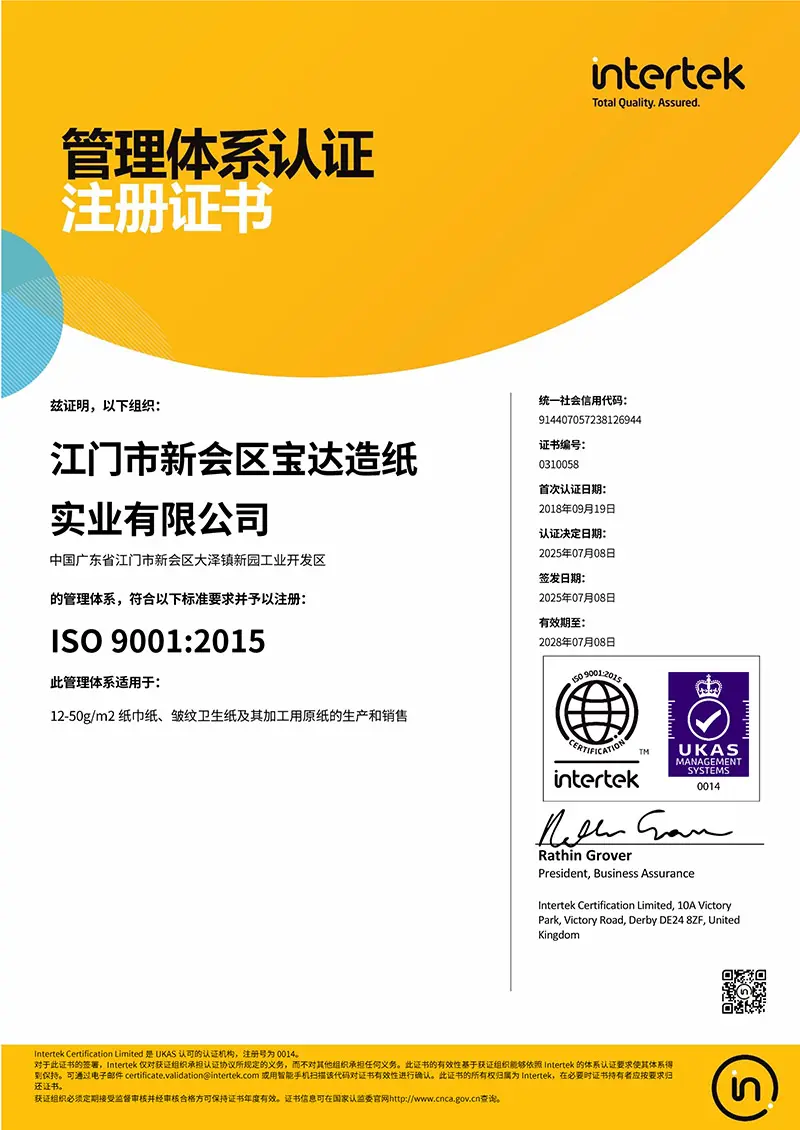
We maintain an ISO 9001 and FSC-certified production process. We test raw parent rolls for basis weight consistency, tensile strength, and water absorption rates before slitting. Our finished products undergo inline detection to ensure accurate roll lengths, clean perforations, and secure packaging seals.
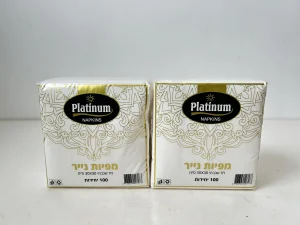
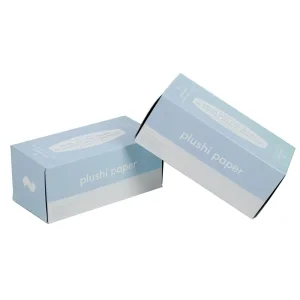
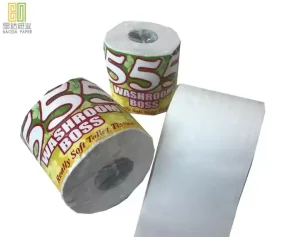
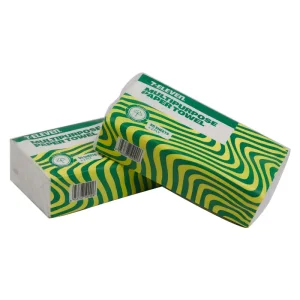
Sourced Direct from Our Integrated Production Lines — Retaining Original Product URLs and Media.
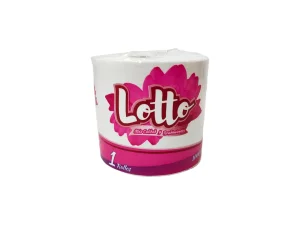
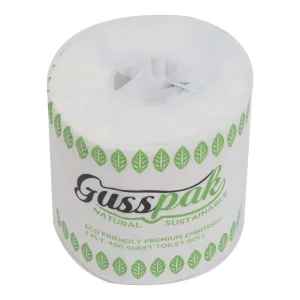
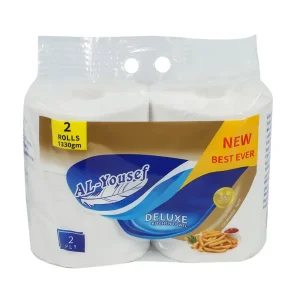
 BAODA PAPER