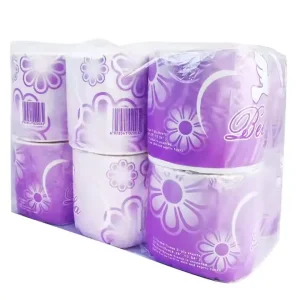
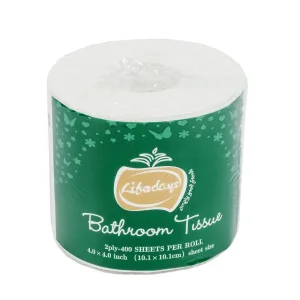
High-capacity processing, extreme absorbency, and customizable configurations for international distributors
Analyzing procurement flows, demand dynamics, and strategic manufacturing alignments
The global tissue paper market is witnessing unprecedented structural transformations. Driven by changing demographic demands, stringent sanitation protocols across commercial sectors, and a heightened emphasis on ecological preservation, procurement teams must look past basic unit-pricing to evaluate total cost of ownership (TCO) and supply chain resilience. As a premier wholesale tissue toilet supplier, Baoda Paper addresses these global needs by marrying raw fiber sustainability with top-tier industrial execution.
Industrial consumption dynamics show that sectors such as hospitality, healthcare, facility maintenance, and public transport networks require customized paper products. A standard residential roll does not satisfy the operational needs of high-traffic corporate headquarters or commercial venues. Instead, procurement directors demand high-tensile, quick-dispersing, and highly absorbent raw configurations. The selection between 2-ply and 3-ply formats, raw material profiles (100% virgin wood pulp versus recycled post-consumer waste), and chemical additives (wet-strength agents, softeners) dictates not only product efficacy but also post-usage waste management cost-efficiency.
Information Gain Insight: The true differentiation in wholesale tissue procurement lies in the fiber structure. Virgin wood pulp fibers retain high hemicellulose levels, maintaining cell-wall hydration. This produces greater natural strength and softness without relying heavily on synthetic chemical softeners. For corporate and institutional buyers, this structural integrity translates directly to decreased product consumption per user visit, lowering overall facility maintenance overheads by up to 18%.
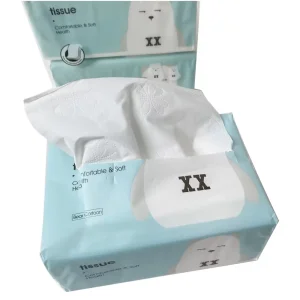
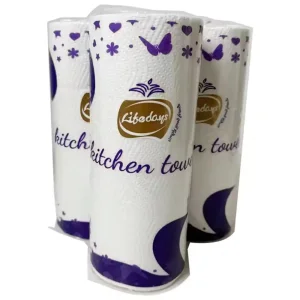
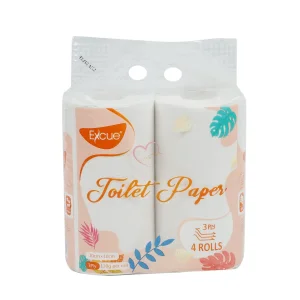
Hygiene papers must be precisely calibrated to their intended environments. The physical requirements of a kitchen towel vary significantly from those of a facial tissue or premium hotel toilet roll:
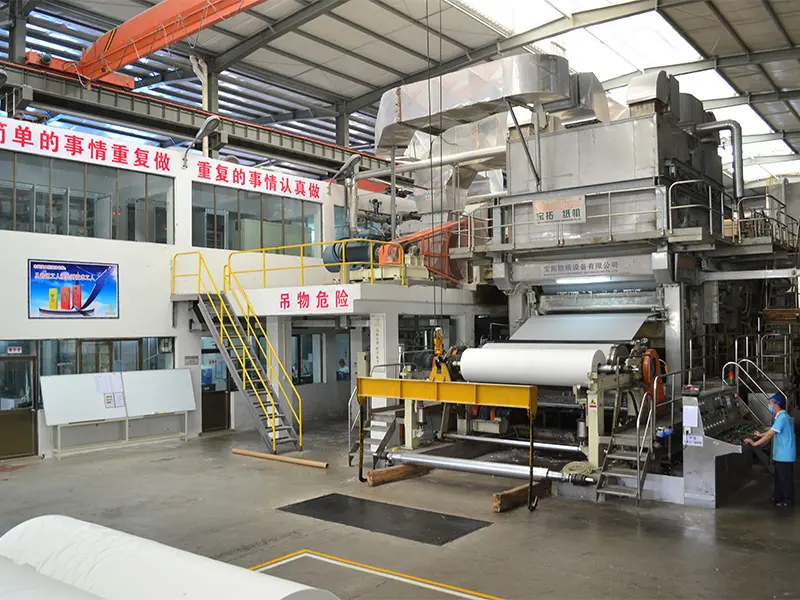
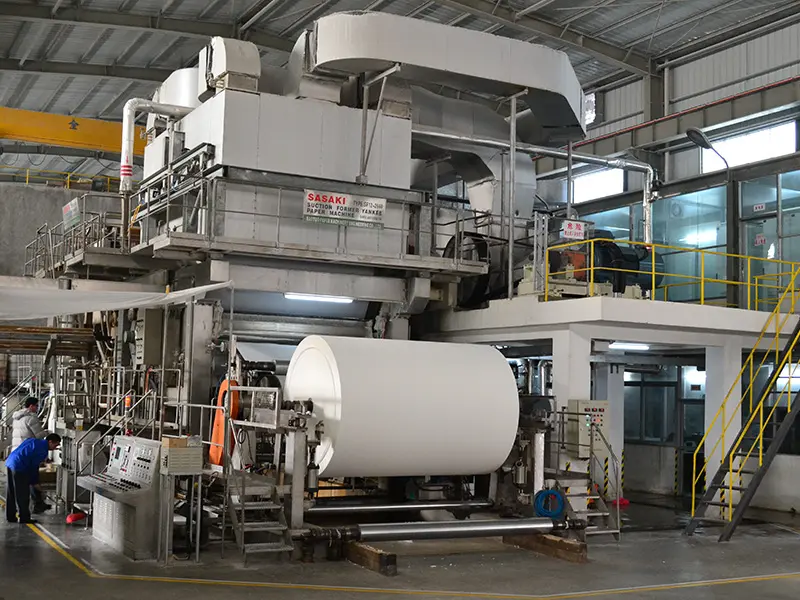
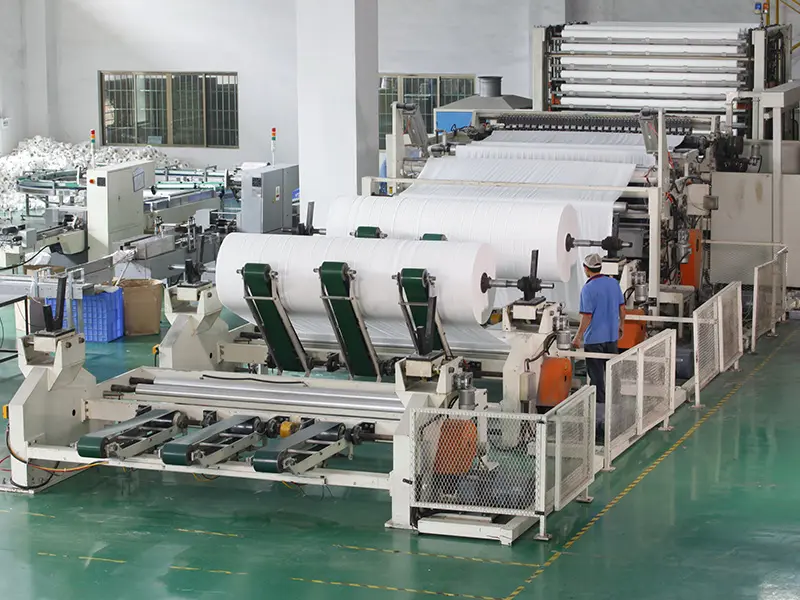
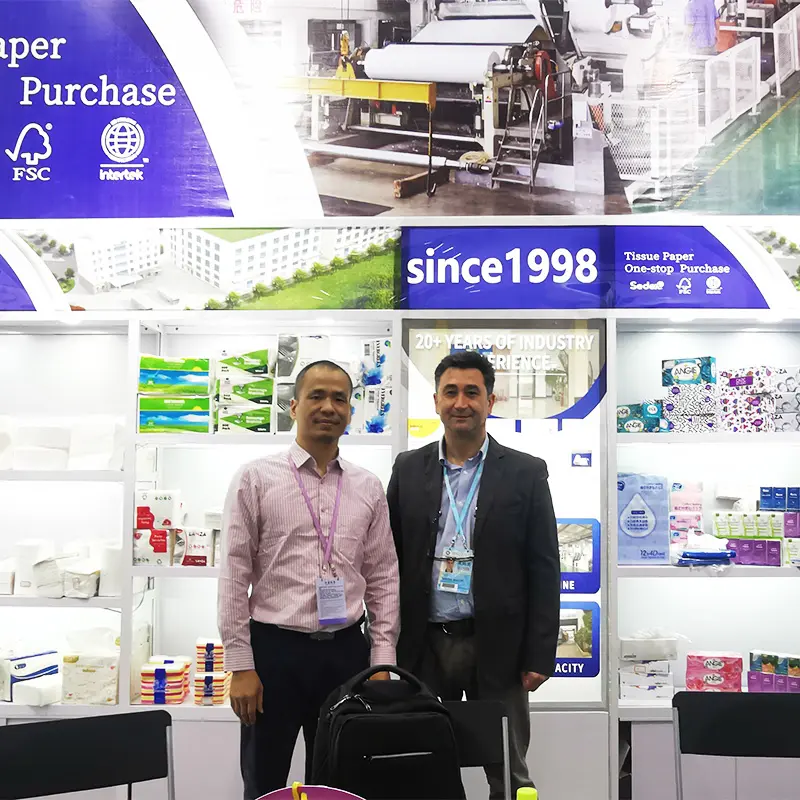
For over 27 remarkable years, since our inception in 1998, Baoda Paper Co., Ltd. has stood as an unwavering cornerstone of China's tissue paper industry, evolving from a domestic manufacturer into a globally recognized force. We have meticulously built our legacy on a formidable foundation of advanced manufacturing excellence and an unwavering commitment to quality. Our modern, sprawling complex, exceeding 20,000 square meters, is a testament to this commitment. Within its walls, we house state-of-the-art, imported high-speed paper machines and sophisticated automated processing lines. This powerful infrastructure is the engine behind our impressive annual production capacity of over 30,000 tons, enabling us to meet large-scale demands without compromising on the consistent quality that defines the Baoda name.
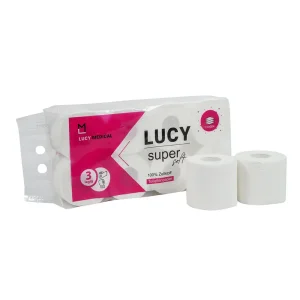
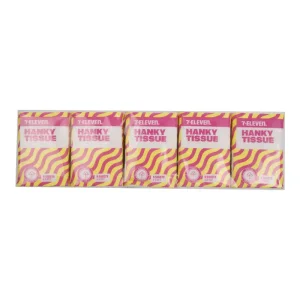
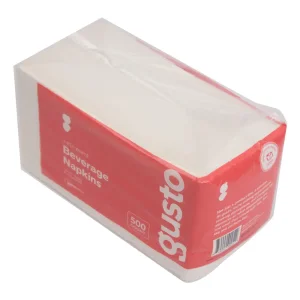
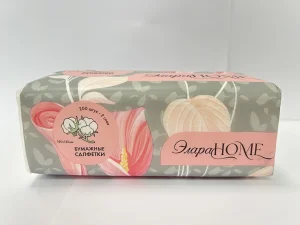
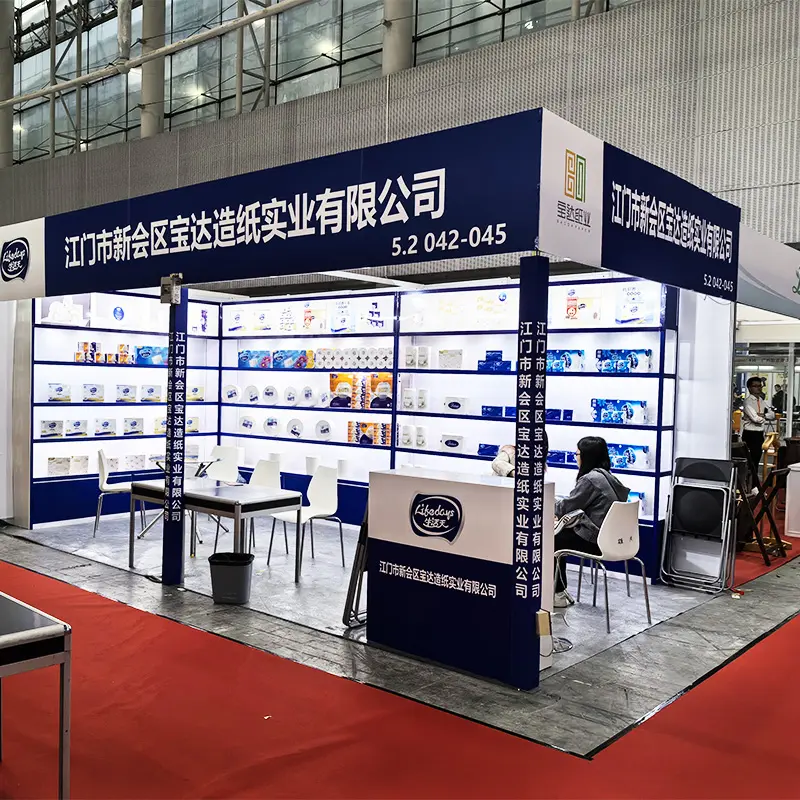
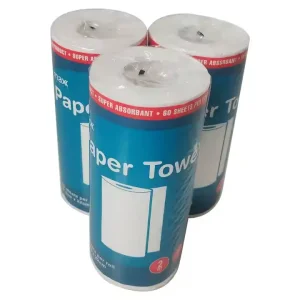
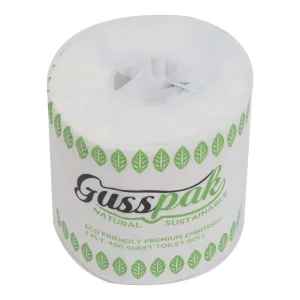
Our comprehensive and curated product portfolio is designed to provide complete one-stop solutions for diverse market needs. We offer an extensive range of products, from essential household items like premium toilet rolls, versatile kitchen towels, and soft facial tissues to convenient and hygienic pocket tissue packs for on-the-go use. Understanding the diverse paths to market success, our business model is both robust and flexible. While we proudly market three successful self-owned brands, we are also a premier partner for clients seeking to build their own product lines. We specialize in tailored ODM (Original Design Manufacturing), OEM (Original Equipment Manufacturing), and OBM (Original Brand Manufacturing) services, working collaboratively to bring our clients' unique visions and brand identities to life with precision and expertise.
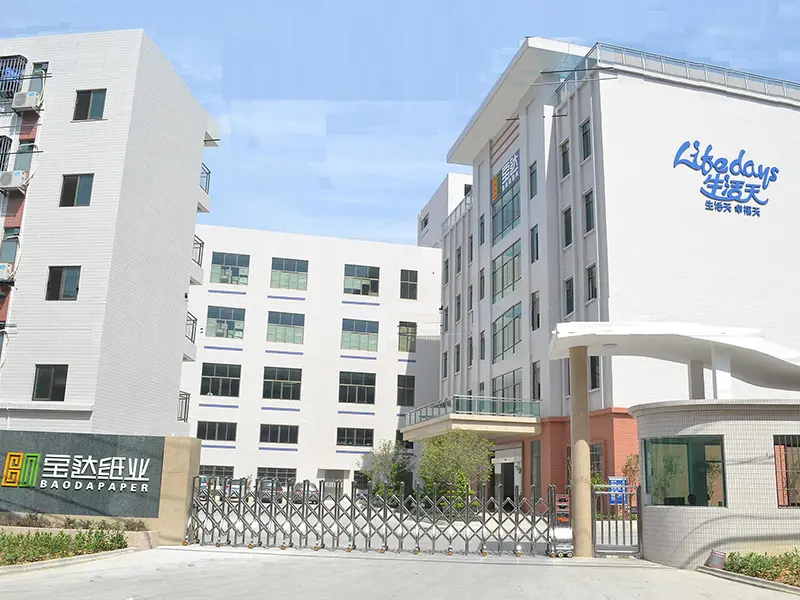
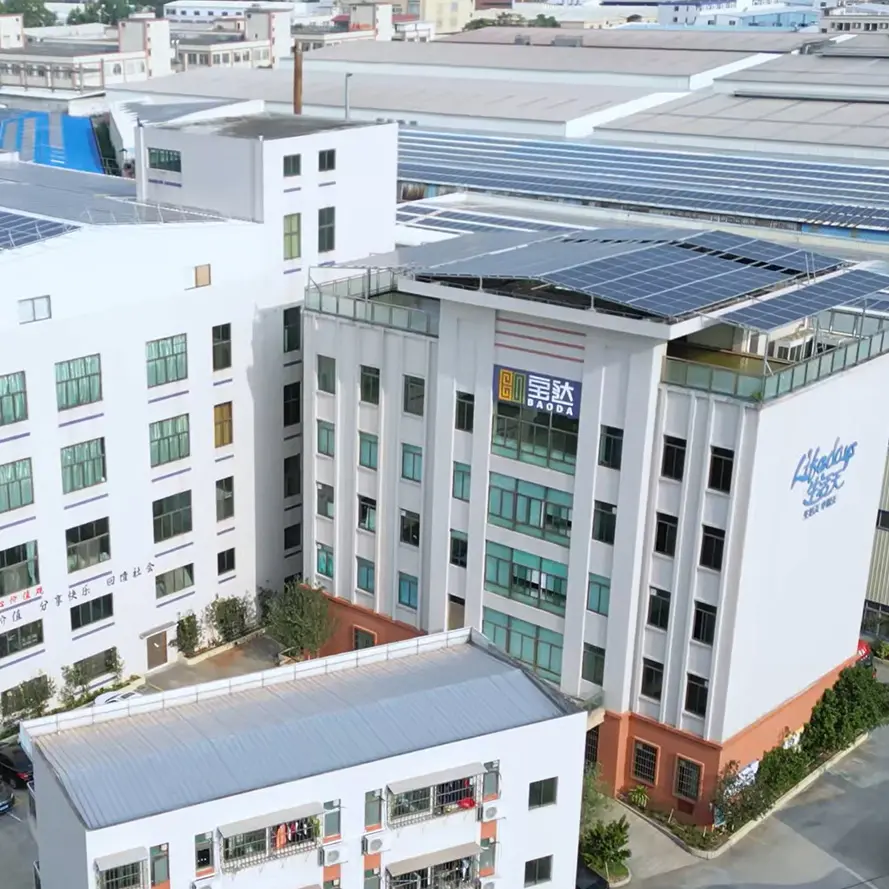
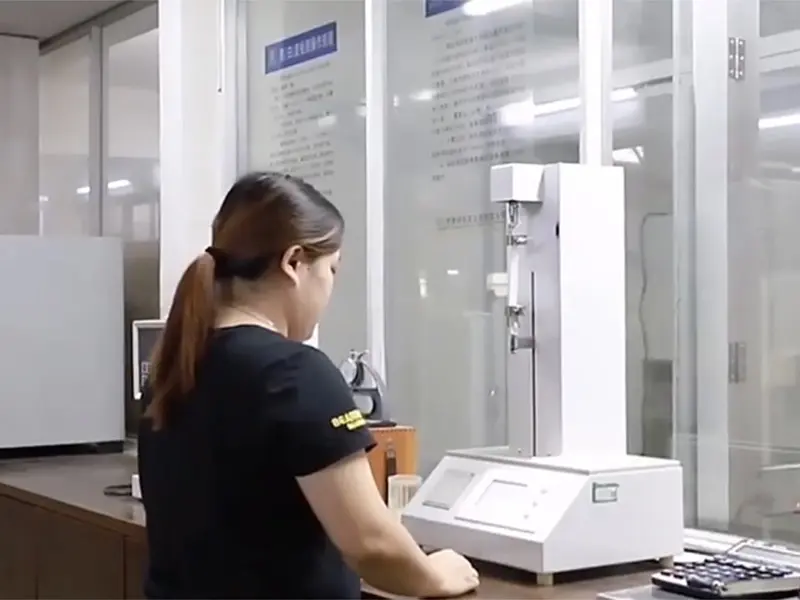
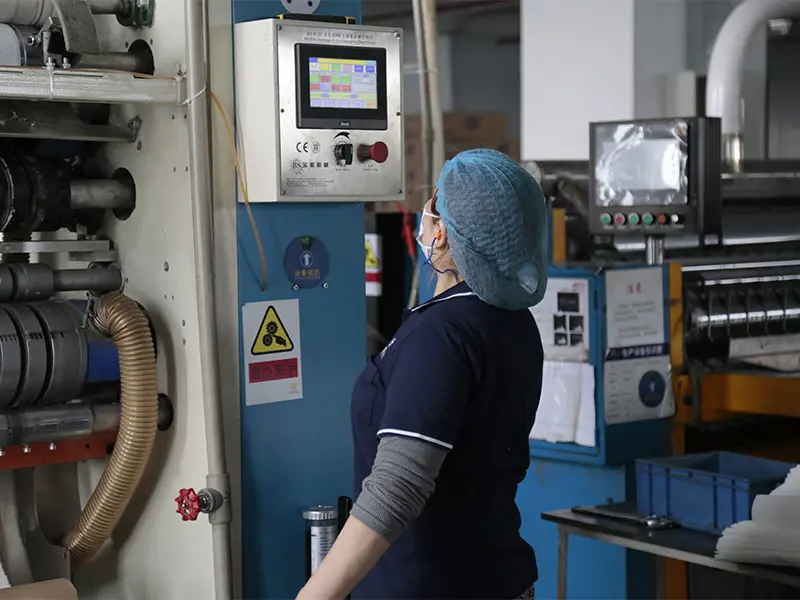
Baoda's technological advantage lies in our advanced processing capabilities. Operating in a highly digitized era, our manufacturing lines integrate computerized quality control systems that continuously monitor paper GSM (grams per square meter), tensile strength, and moisture distribution in real time. This minimizes variance between production batches, giving B2B buyers absolute reliability in their retail packaging or commercial dispenser systems.
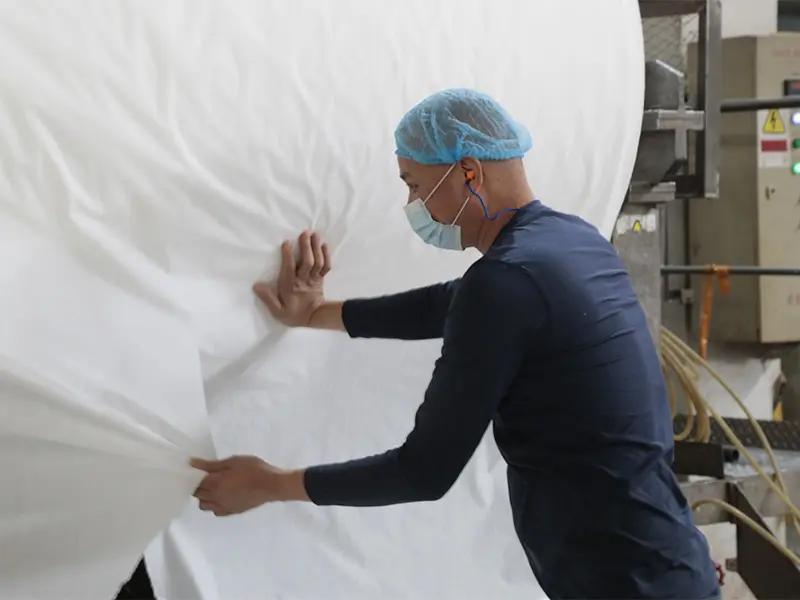
By optimizing wood pulp refining processes, we control the ratio of long-fiber to short-fiber inputs. Long fibers provide the strength required to prevent tearing during dispenser pull-throughs, while short fibers deliver the luxurious tactile softness valued by end consumers. Our integration of automated packaging lines ensures strict hygiene levels, keeping materials pristine from raw pulping stage to ocean container shipment.
How specialized production clusters and deep logistics integration optimize global procurement
China's standing as a world leader in tissue paper manufacturing is supported by mature industrial clusters, deep supply chain integration, and continuous technological investments. Unlike fragmented production models, Chinese tissue mills benefit from direct integration with domestic and international fiber networks. This close association keeps raw pulp costs competitive and reliable, shielding global partners from volatile commodity price swings.
Furthermore, China’s manufacturing infrastructure has transitioned from labor-intensive operations to automated smart factories. At Baoda Paper, we leverage advanced machinery that combines high-speed winders, log saws, and automated packaging units. This integration reduces production cycle times, enabling swift responses to high-volume orders. As a result, global distributors can maintain lower inventory levels, relying on our consistent, on-time replenishment schedules.
Logistical integration is another cornerstone of our manufacturing efficiency. Located near major ports with access to global shipping channels, we streamline customs clearance and reduce inland transport times. By coordinating closely with ocean freight partners, we minimize detention risks and optimize container loading configurations. This logistics-first approach lowers the carbon footprint per ton of shipped cargo, aligning with modern corporate environmental targets.
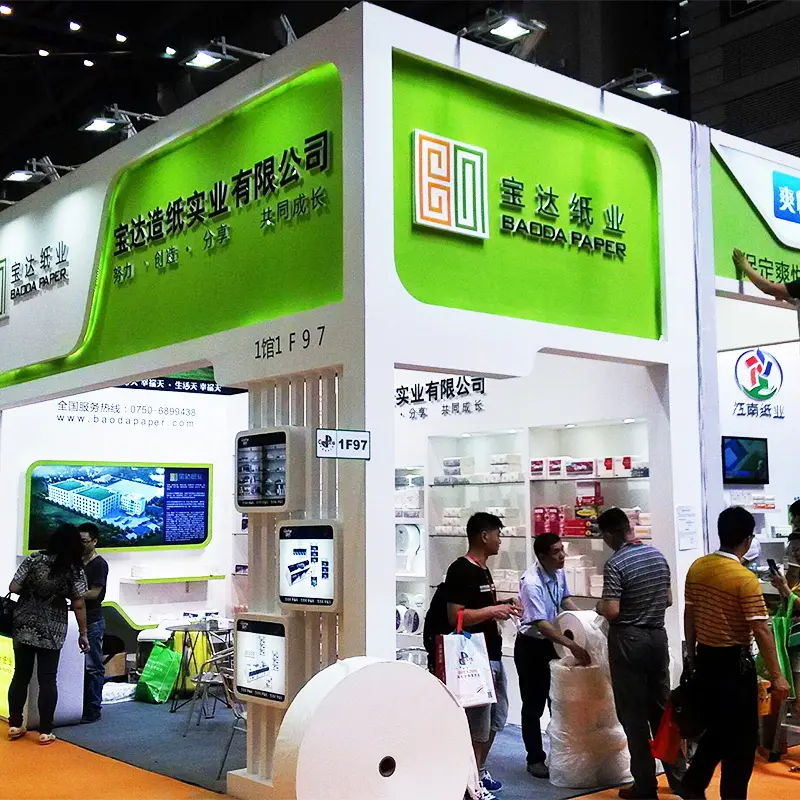
Our commitment to sustainable production and ethical labor practices has earned us the trust of over 10,000 global leaders in retail and distribution, including international giants such as Walmart and Watsons. We ensure that our entire production run adheres to strict workplace safety and environmental compliance standards.
Our high-quality products and reliable service have enabled us to build a robust international distribution network spanning more than 60 countries across the Americas, Europe, Asia, and Australia, with significant presence in key markets like the United States and Australia.
Through decades of innovation and consistent delivery, Baoda Paper has become more than just a manufacturer; we are a symbol of quality, reliability, and partnership in the dynamic global tissue market, resolving logistics, customs, and design challenges seamlessly.
Precision manufacturing, cleanroom packaging environments, and robust raw material inventories
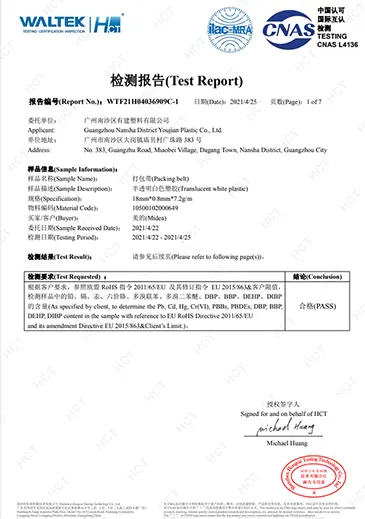
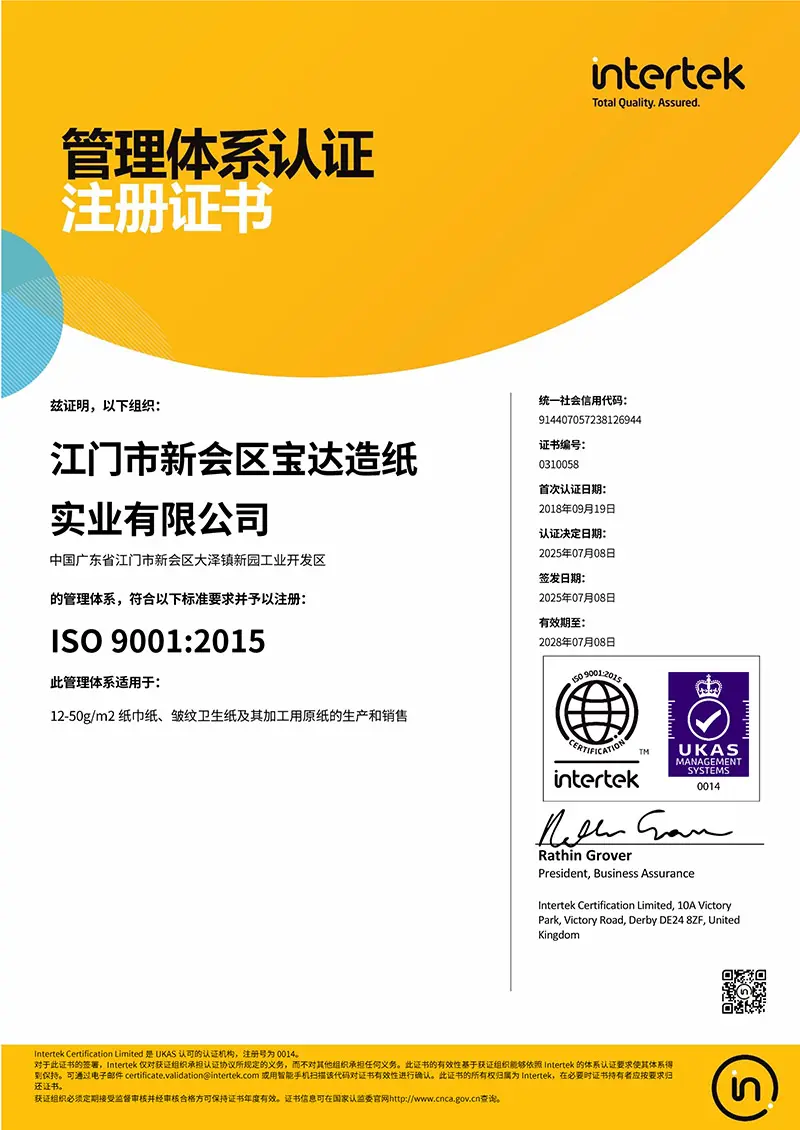
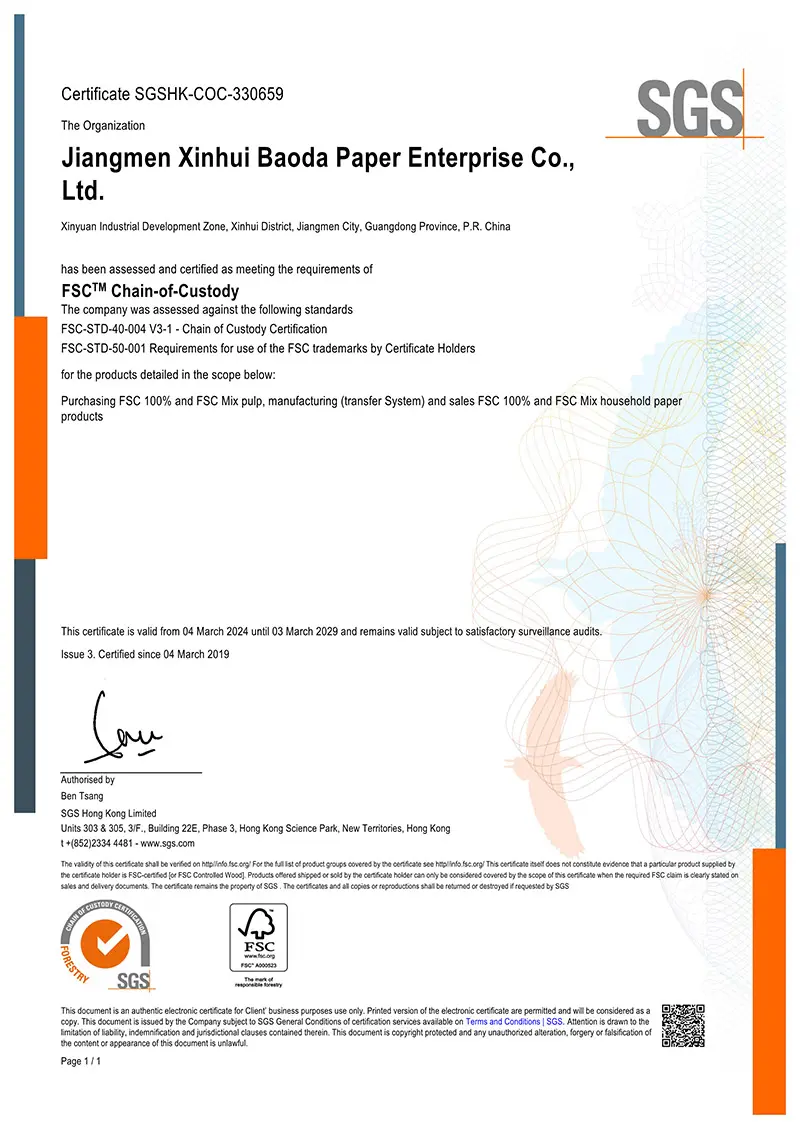
Third-party audited frameworks confirming security, quality control, and ecological stewardship
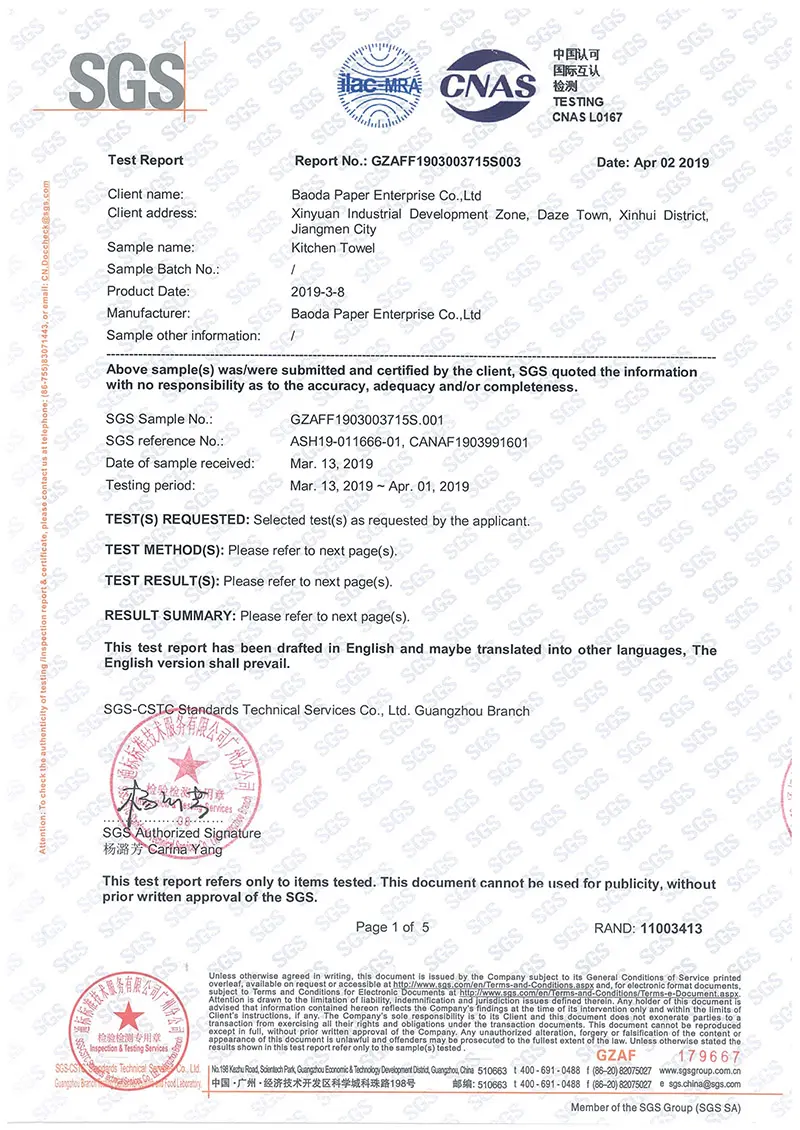
Critical benchmarks for modern procurement directors in the paper category
Modern enterprise procurement operates in a landscape focused on supply chain visibility, risk mitigation, and strict ESG compliance. B2B buyers must evaluate several critical parameters when partnering with a wholesale tissue toilet supplier:
Illegal logging and deforestation concerns have elevated fiber traceability from an option to a regulatory requirement. Importers in the EU and North America must verify raw material sources. Legitimate suppliers support this by providing clear FSC (Forest Stewardship Council) chain-of-custody documentation, ensuring that wood fiber originates from responsibly managed forests.
Selecting a manufacturer involves looking beyond product catalogs; buyers need partners with the capacity to scale. A factory equipped with high-speed automated lines and an annual capacity exceeding 30,000 tons, like Baoda Paper, provides the operational buffer needed to handle sudden demand spikes, promotional campaigns, or peak seasons without delaying shipments.
Product performance is measured by specific physical properties. Procurement teams should require technical data sheets detailing dry tensile strength (MD and CD), wet tensile strength (crucial for kitchen towels and facial tissues to prevent tearing under moisture), and water absorption capacity. These parameters ensure compatibility with standardized high-capacity dispenser mechanisms globally.
Technical Focus: A tissue's Grams per Square Meter (GSM) directly impacts its performance. High-traffic commercial toilet rolls typically require 14-16 GSM per ply. Standardizing on 2-ply configurations at 15 GSM provides an optimal balance of strength, comfort, and cost, reducing consumption and dispenser clogging risks.
Private label programs require deep collaboration. Excellent communication from design sign-off to packaging layout, barcoding, and carton configuration is critical. A manufacturer must offer clear prototyping, digital proofing, and packaging mockups to verify brand alignment before tooling and high-speed production run starts.
Addressing the technical, chemical, logistical, and commercial inquiries of global buyers
Direct sourcing from a 27-year veteran China tissue manufacturer
 BAODA PAPER