Engineered for extreme absorption, rapid degradation, and operational cost efficiency in high-demand global markets.
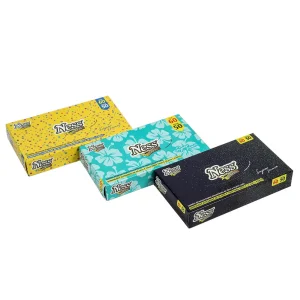
In the modern B2B sanitation supply industry, the term "thin toilet paper" does not refer to fragile, low-grade products. Instead, it defines a highly engineered classification of ultra-fast dispersing, high-density, low-grammage tissue paper designed specifically to resolve complex mechanical plumbing limitations while minimizing shipping and packaging footprints. Across dense municipal structures, historical real estate, marine transportation systems, and recreational vehicles, the reliance on high-solubility, light-caliper paper is critical.
Historically, thick multi-ply tissues have posed continuous threats of mechanical obstruction, costing commercial property management billions annually in emergency pipeline remediation. As a primary global manufacturer, Baoda Paper Co., Ltd. has spent over 27 years solving this paradox: how to formulate tissue paper that achieves a minimal caliper (thickness) while preserving exceptional dry and wet tensile strength, skin biocompatibility, and rapid breakdown mechanics. This document explores the technical nuances, chemical engineering, and global logistics equations defining the thin toilet paper sector today.
Modern user search intent research and semantic queries reveal a massive pivot away from excessive ply thickness (e.g., 4-ply or ultra-bulky tissues) in specialized commercial niches. The key demand drivers include:
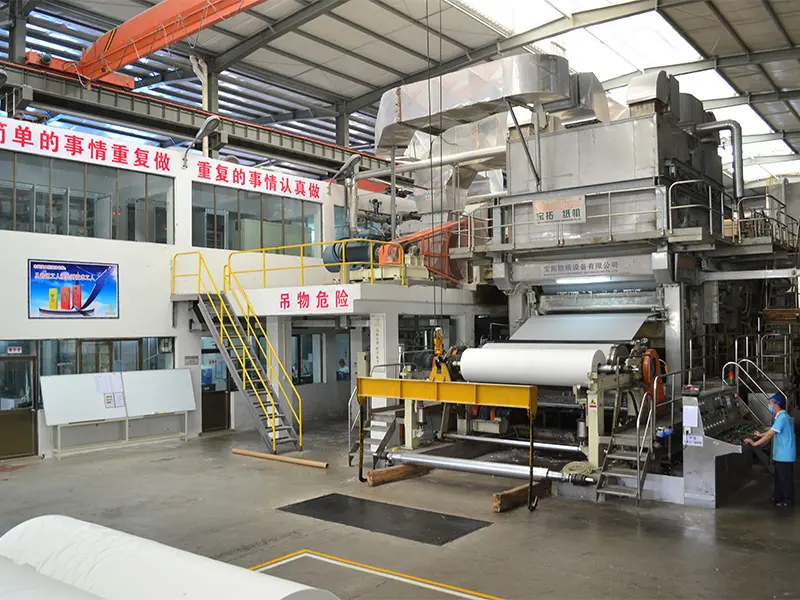
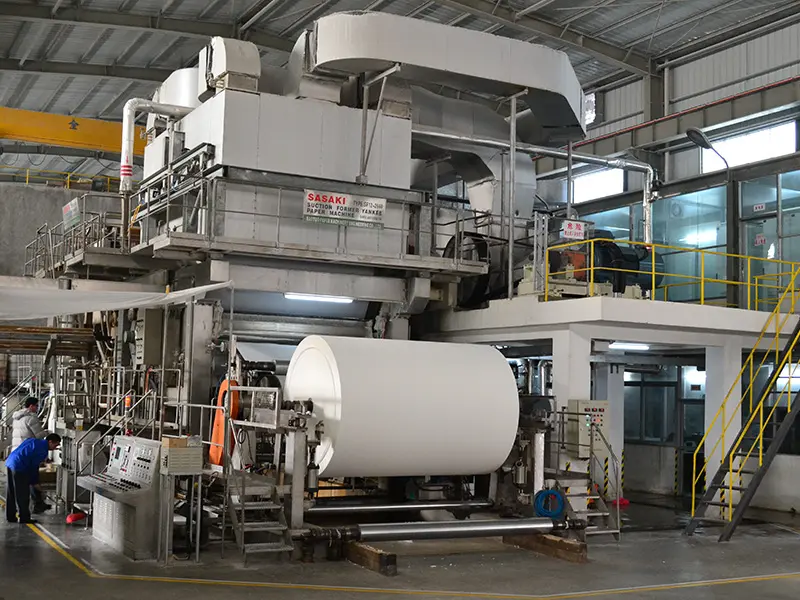
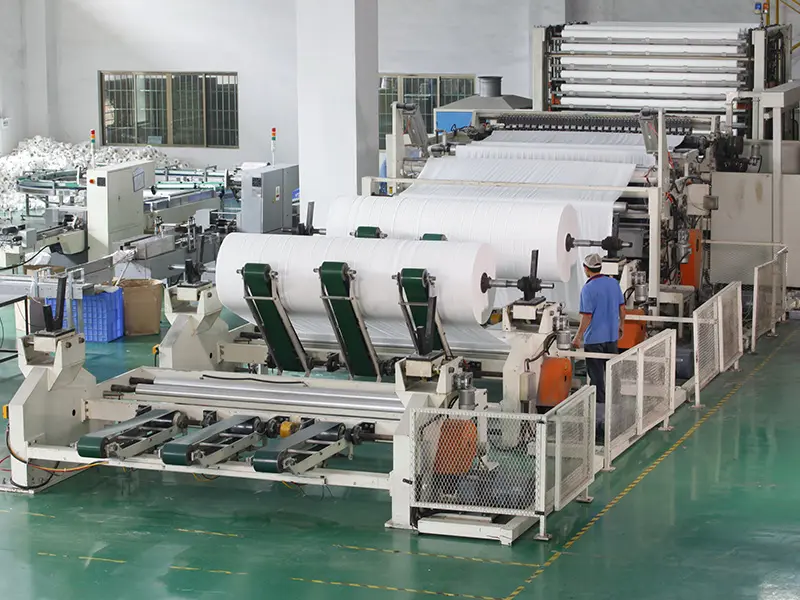
From a technological perspective, the manufacturing of thin tissue requires specialized Yankee Dryers and high-speed processing lines where the creping blade angle, moisture curves, and doctor blade pressures are calibrated at a micron level. This ensures that the paper web remains coherent and soft, even when operating at a low target grammage (often down to 11.5 - 13.5 GSM per ply).
"Information Gain Advantage: High-quality thin toilet paper is not created by merely stripping away wood pulp. It is created through fiber optimization, blending long-staple coniferous fibers for structural network tensile integrity with short-staple hardwood fibers for surface velvet texture."
When procurement officers from global superstores, cruise fleets, municipal authorities, and hospitality chains source tissue paper, they must look beyond unit pricing. Real E-E-A-T (Experience, Expertise, Authoritativeness, Trustworthiness) criteria require a deep evaluation of:
Wet and Dry Tensile Strength: Thin paper must not tear prematurely during dispensing or immediate application. Utilizing advanced dry-strength additives (like modified starches or polyacrylamides) in the pulp formulation allows the sheet to maintain sufficient integrity when dry, while remaining rapidly soluble upon total immersion.
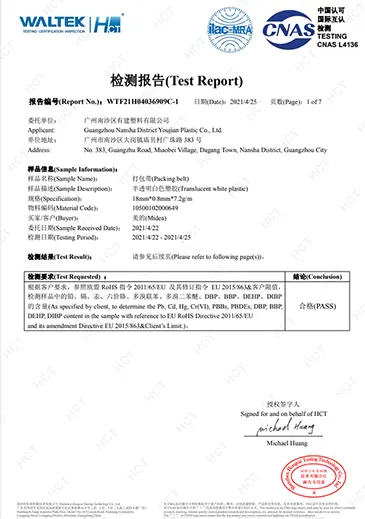
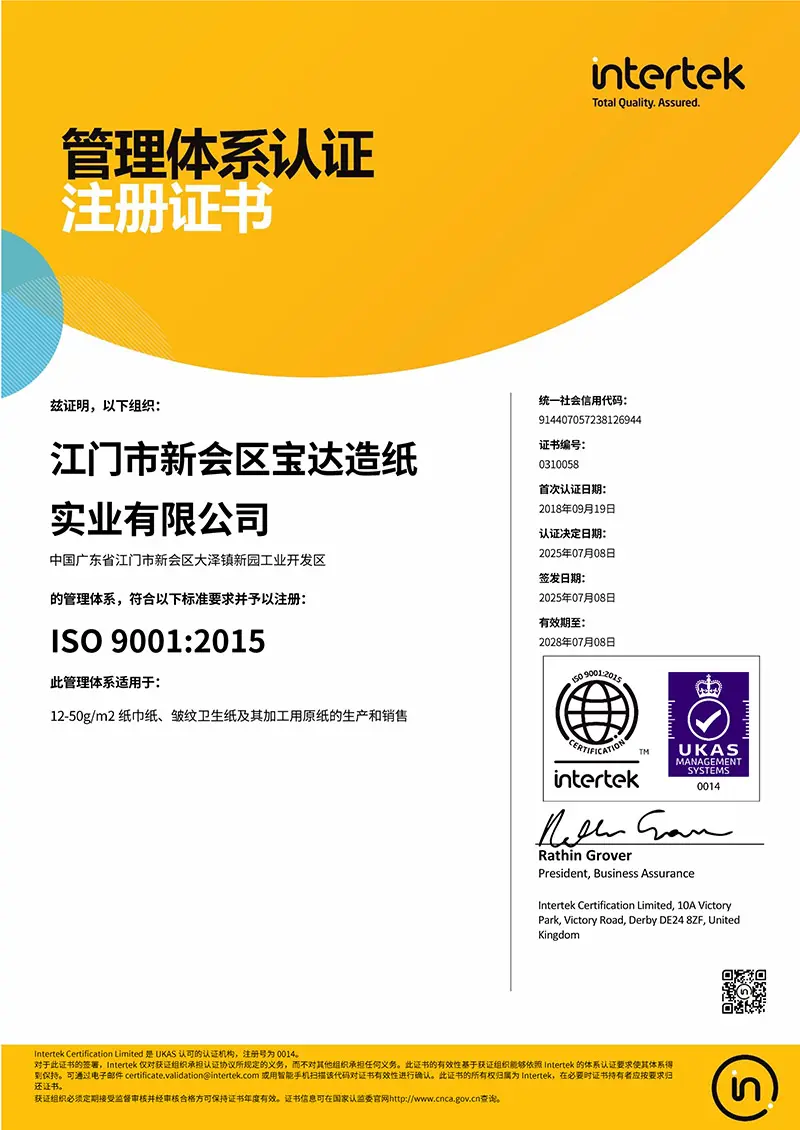
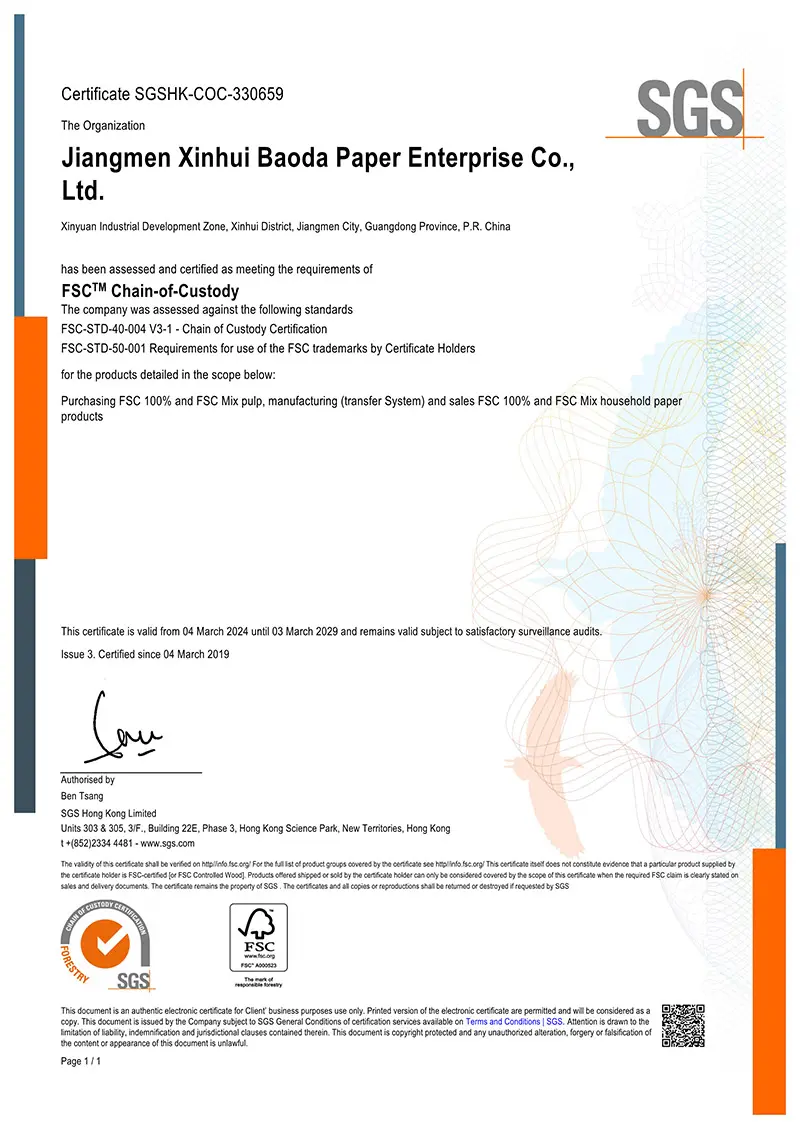
Chemical Additive Verification: B2B buyers must ensure the tissue is free from chlorine-based bleaching agents, formaldehyde, or heavy perfumes, particularly for sensitive skins. Meeting international standards like FSC (Forest Stewardship Council), ISO 9001, and CE certifications is no longer optional—it is a critical barrier to market entry.
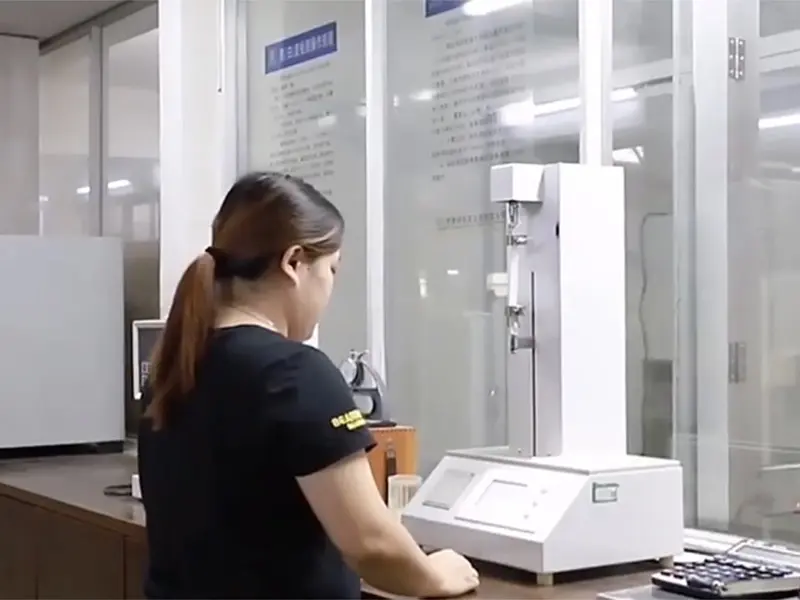
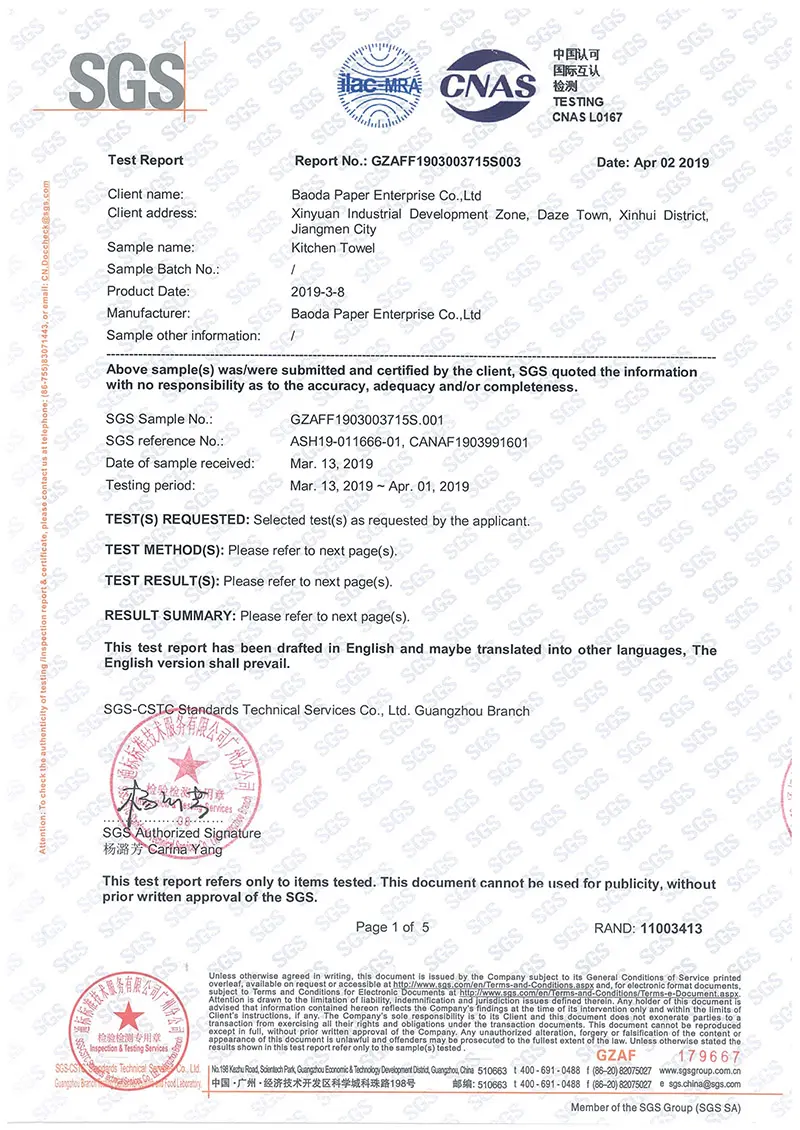
Dispersibility Indices: Thin toilet paper must undergo rigorous standardized testing (e.g., tap water solubility assays) to guarantee it dissolves fully under agitation. This prevents catastrophic clogs in commercial septic systems, RV black-water tanks, and vacuum-powered systems.
Decades of technical leadership, manufacturing infrastructure, and cross-border distribution network.
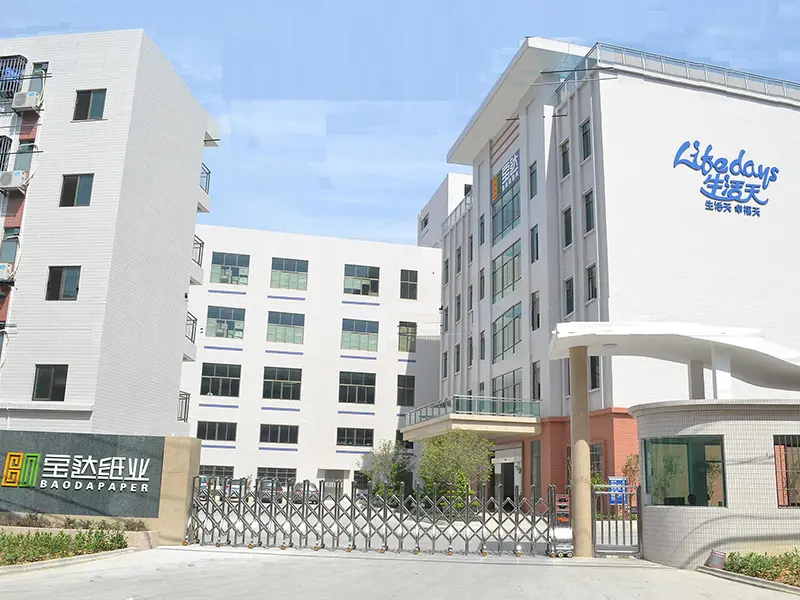
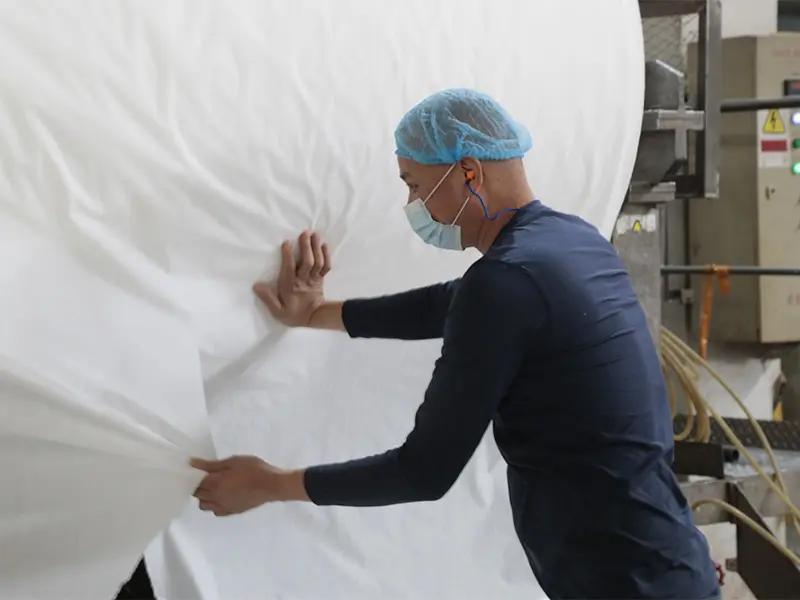
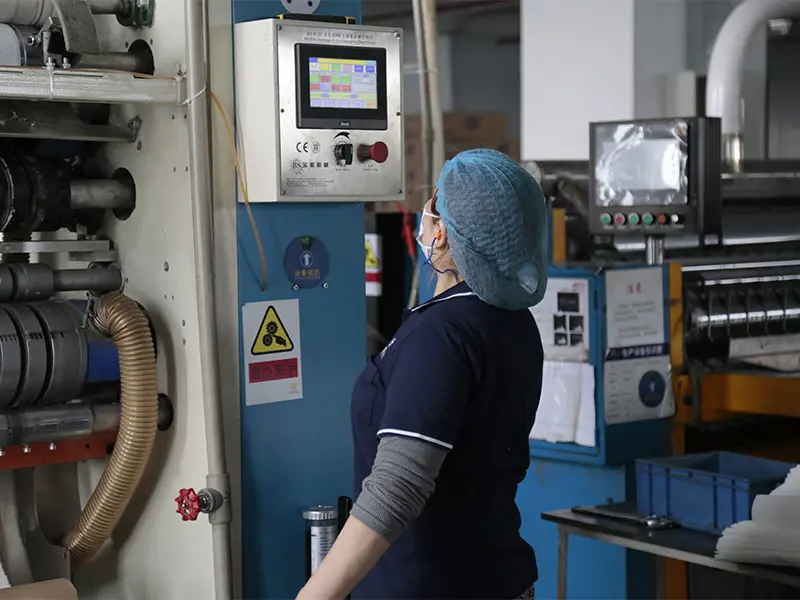
At Baoda Paper's manufacturing center, the transition to Industry 4.0 has revolutionized how thin toilet paper is produced and monitored. Our imported high-speed machinery operates in a closed-loop environment where real-time thickness sensors, fiber-distribution analyzers, and automated moisture controllers adjust production parameter variations on the fly.
How our customized thin toilet paper adapts to diverse global commercial environments.
A Trusted Manufacturing Ecosystem Powering Global Retailers and Brands Since 1998
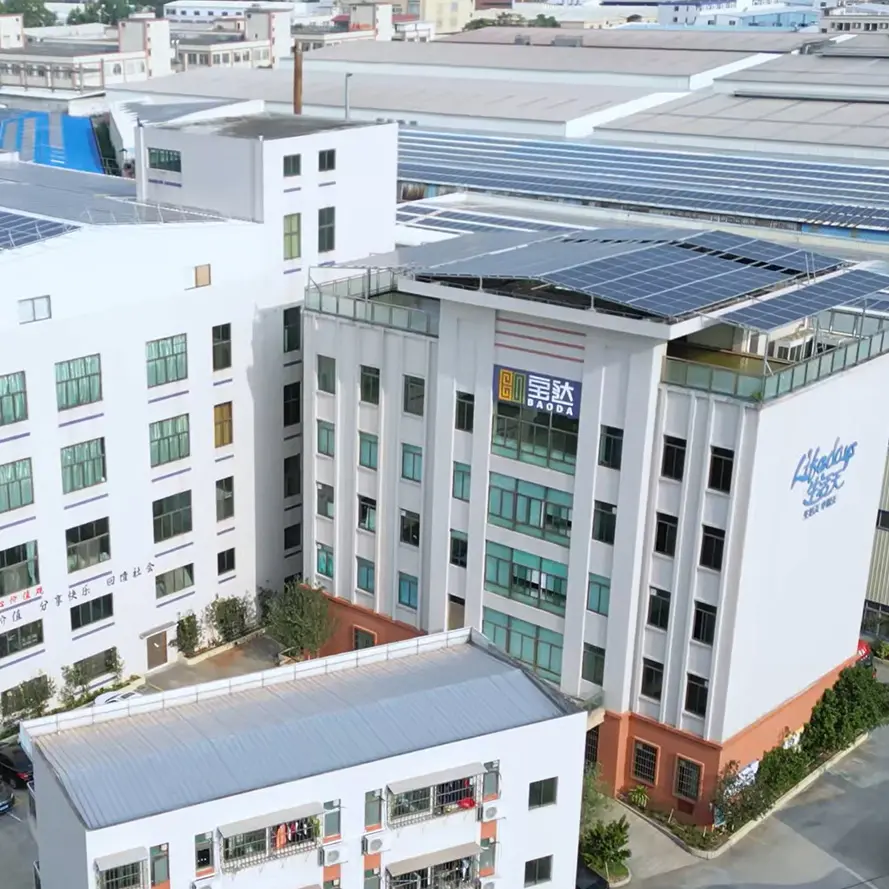
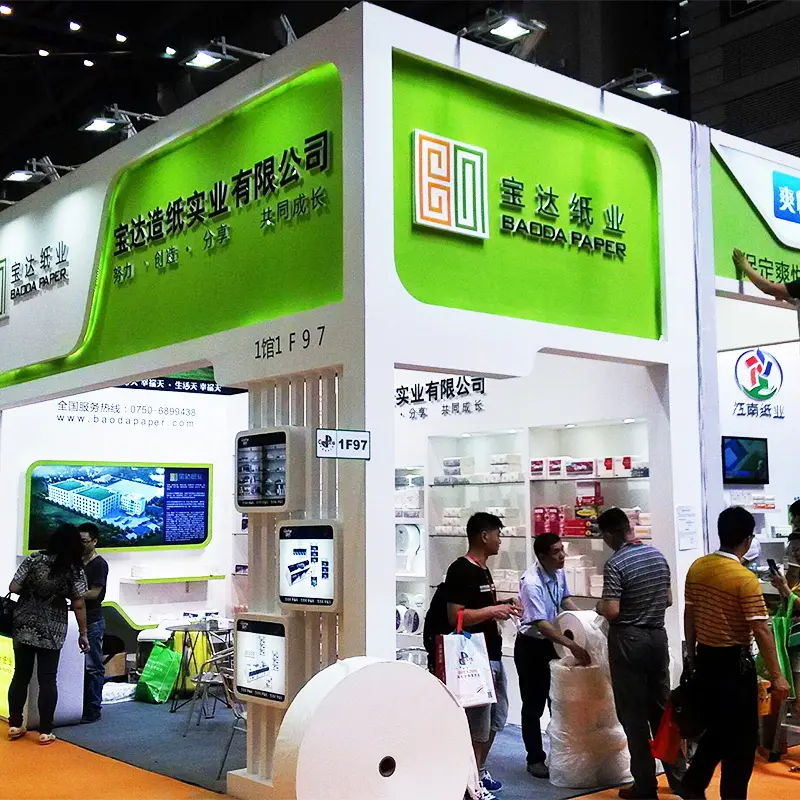
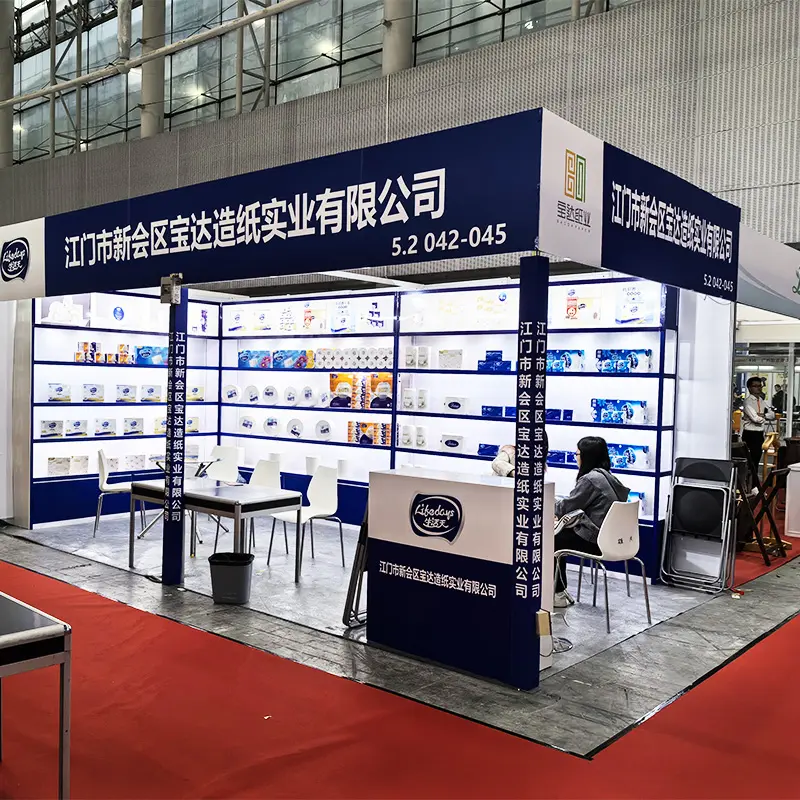
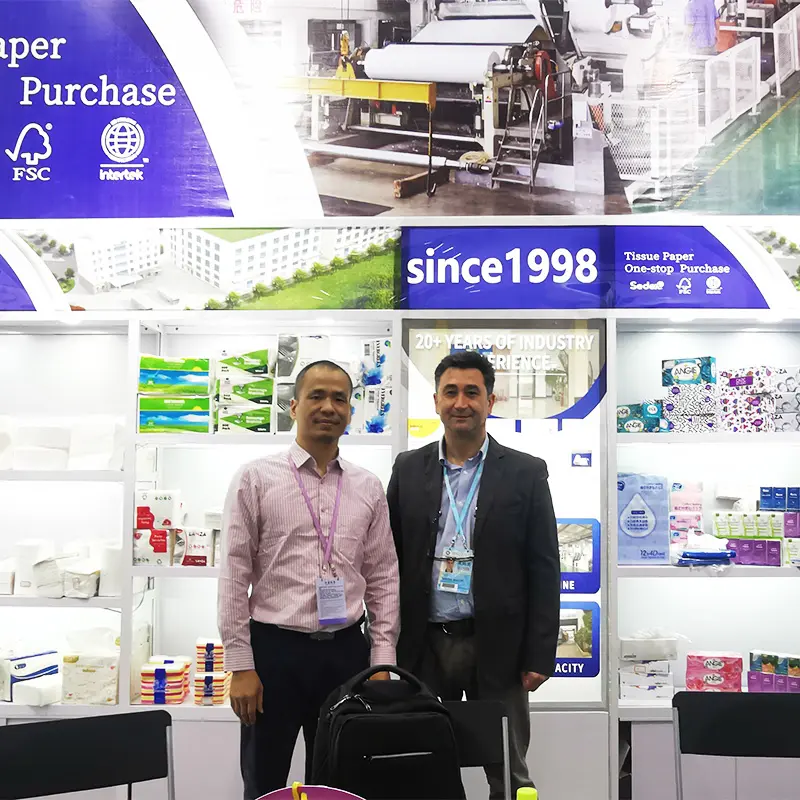
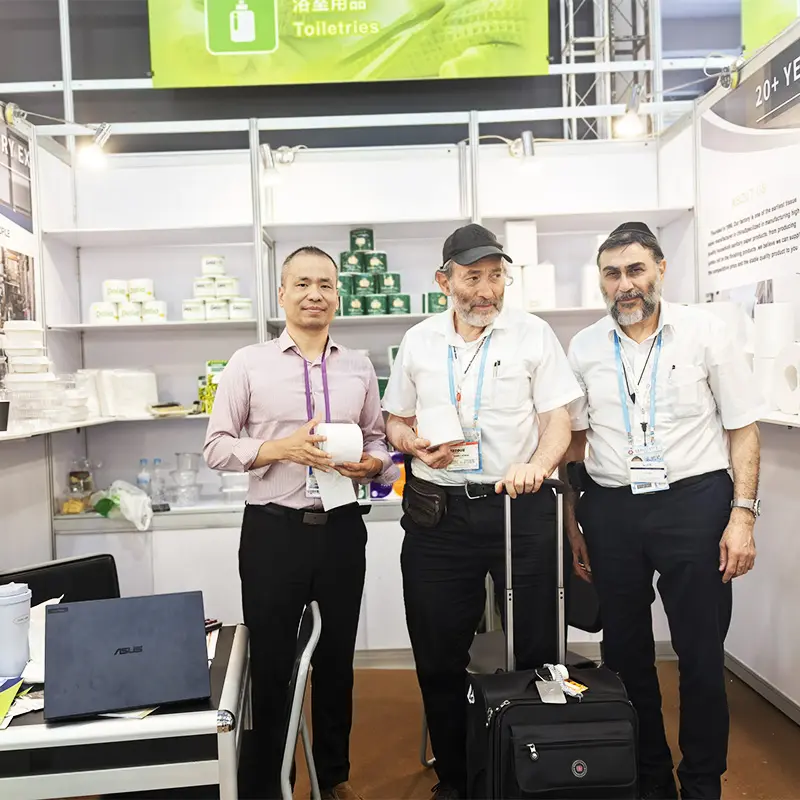
For over 27 remarkable years, since our inception in 1998, Baoda Paper Co., Ltd. has stood as an unwavering cornerstone of China's tissue paper industry, evolving from a domestic manufacturer into a globally recognized force. We have meticulously built our legacy on a formidable foundation of advanced manufacturing excellence and an unwavering commitment to quality. Our modern, sprawling complex, exceeding 20,000 square meters, is a testament to this commitment. Within its walls, we house state-of-the-art, imported high-speed paper machines and sophisticated automated processing lines. This powerful infrastructure is the engine behind our impressive annual production capacity of over 30,000 tons, enabling us to meet large-scale demands without compromising on the consistent quality that defines the Baoda name.
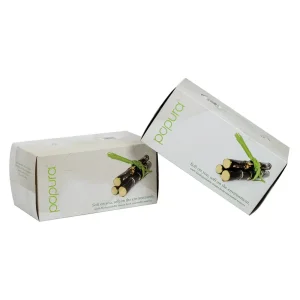
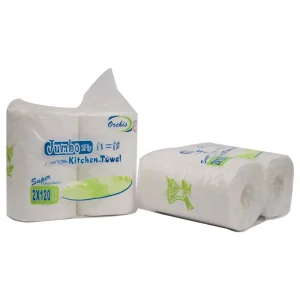
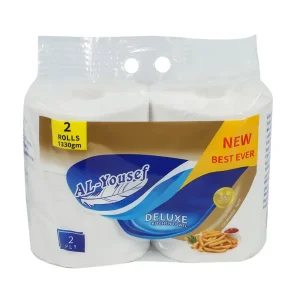
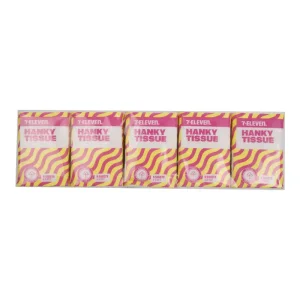
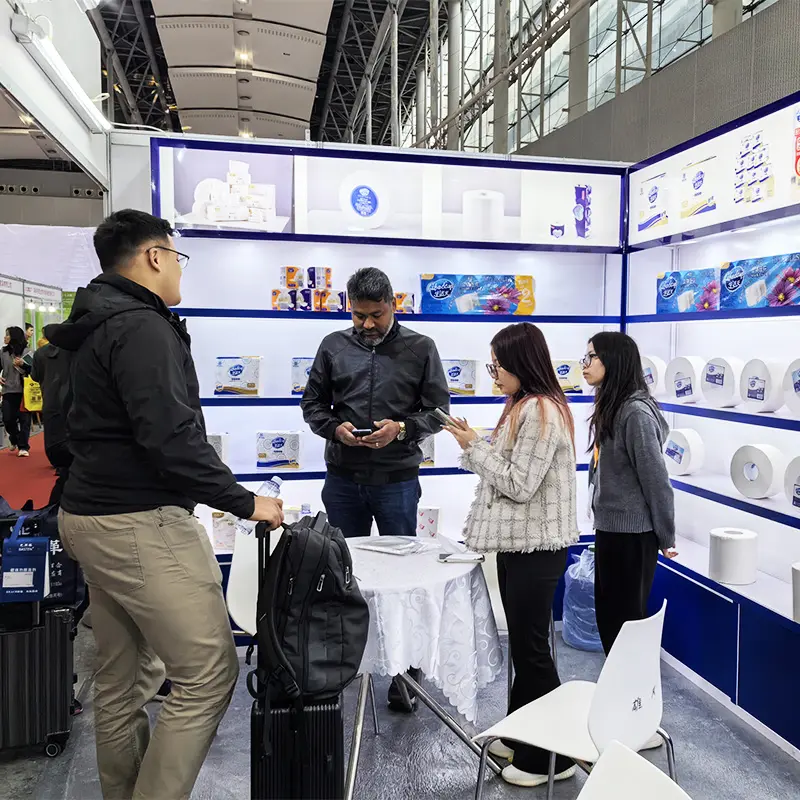
Our comprehensive and curated product portfolio is designed to provide complete one-stop solutions for diverse market needs. We offer an extensive range of products, from essential household items like premium toilet rolls, versatile kitchen towels, and soft facial tissues to convenient and hygienic pocket tissue packs for on-the-go use. Understanding the diverse paths to market success, our business model is both robust and flexible. While we proudly market three successful self-owned brands, we are also a premier partner for clients seeking to build their own product lines. We specialize in tailored ODM (Original Design Manufacturing), OEM (Original Equipment Manufacturing), and OBM (Original Brand Manufacturing) services, working collaboratively to bring our clients' unique visions and brand identities to life with precision and expertise.
This dedication has earned us the trust of a vast network of over 10,000 global leaders in retail and distribution, including renowned giants such as Walmart and Watsons. Our high-quality products and reliable service have enabled us to build a robust international distribution network spanning more than 60 countries across the Americas, Europe, Asia, and Australia, with a significant presence in key markets like the United States and Australia. Through decades of innovation and consistent delivery, Baoda Paper has become more than just a manufacturer; we are a symbol of quality, reliability, and partnership in the dynamic global tissue market.
Key questions answered by our chief paper engineer regarding thin toilet paper applications, quality parameters, and logistics.
Thin toilet paper disperses rapidly within 15-20 seconds under standard flush mechanical agitation. Traditional thicker tissues rely on chemical wet-strength binders to hold plies together, delaying fiber breakdown and causing accumulation in bends, junctions, and low-flow piping systems. By optimizing caliper density and minimizing chemical binders, thin toilet paper prevents clogging completely, protecting aging pipes.
We control fiber blending. We select premium long-fiber softwood kraft pulp to create an interlocking micro-network that guarantees high dry tensile strength. During the creping process, we utilize advanced automated drying cylinders to introduce micro-crimp dynamics. This gives the paper elastic properties that prevent tearing during use, despite having a lower thickness (low caliper).
Bulk volume density is critical in sea freight calculations. Thin toilet paper allows for a higher sheet winding density without increasing the diameter of the overall rolls. This means up to 35% more meters of usable toilet paper can be loaded into a single shipping container. This significantly reduces freight cost ratios per sheet, lowering carbon emissions and total landed costs for global distributors.
Yes, our production materials are FSC certified, ensuring raw pulp is sourced only from responsibly managed forests. Additionally, we avoid elemental chlorine bleaching processes (using ECF/TCF standards). Our raw tissues are strictly free from fluorescent whitening agents, formaldehyde, or heavy chemical dyes, making them hypoallergenic and safe for sensitive skin.
We provide customizable services, covering core sizes, rolls meters, roll weight, embossing patterns, packaging designs, and sheet counts. We can print buyer logos, use compostable paper wraps, and develop customized paper grammage parameters to fit specific retail profiles.
Engineered for hotels, corporate buildings, restaurants, and high-frequency utility scenarios.
 BAODA PAPER