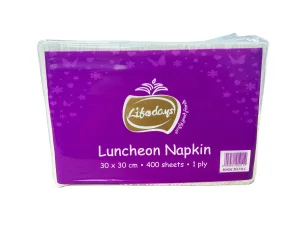
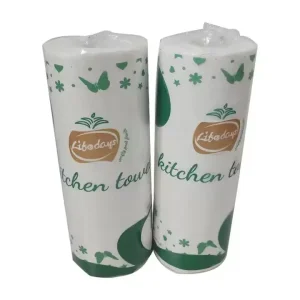
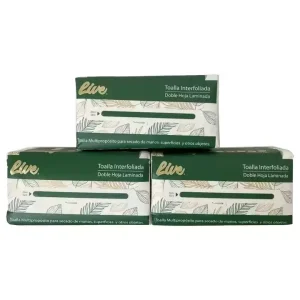
Wholesale Kitchen Towel Roll Manufacturers & Supplier

Strategic B2B Sourcing Solutions, High-Capacity Tissue Engineering, and Global Distribution Compliance for Industrial, Commercial, and Retail Markets.

Strategic Whitepaper: Kitchen Towel Roll Manufacturing & Global Supply Chains

Analyzing modern hygiene metrics, manufacturing standards, pulp sourcing dynamics, and regulatory compliance for global buyers.

1. B2B Sourcing Overview & Market Demand Dynamics

In the global hospitality, commercial cleaning, and food service sectors, the selection of raw materials and wholesale finished products like kitchen towels goes far beyond basic cleaning supplies. Today's commercial kitchen paper rolls serve as crucial components in biological contamination prevention, surface preparation efficiency, and operational cost containment.

Global procurement managers must evaluate tissue manufacturing with strict engineering parameters. This includes analyzing wet tensile strength, water holding capacity (WHC), lint discharge metrics, and surface friction coefficients. As a primary manufacturer of paper roll products, Baoda Paper Co., Ltd. has established high-capacity production protocols designed to satisfy these rigorous technical metrics. Our systems cater directly to hypermarkets, industrial suppliers, distribution channels, and retail networks worldwide.

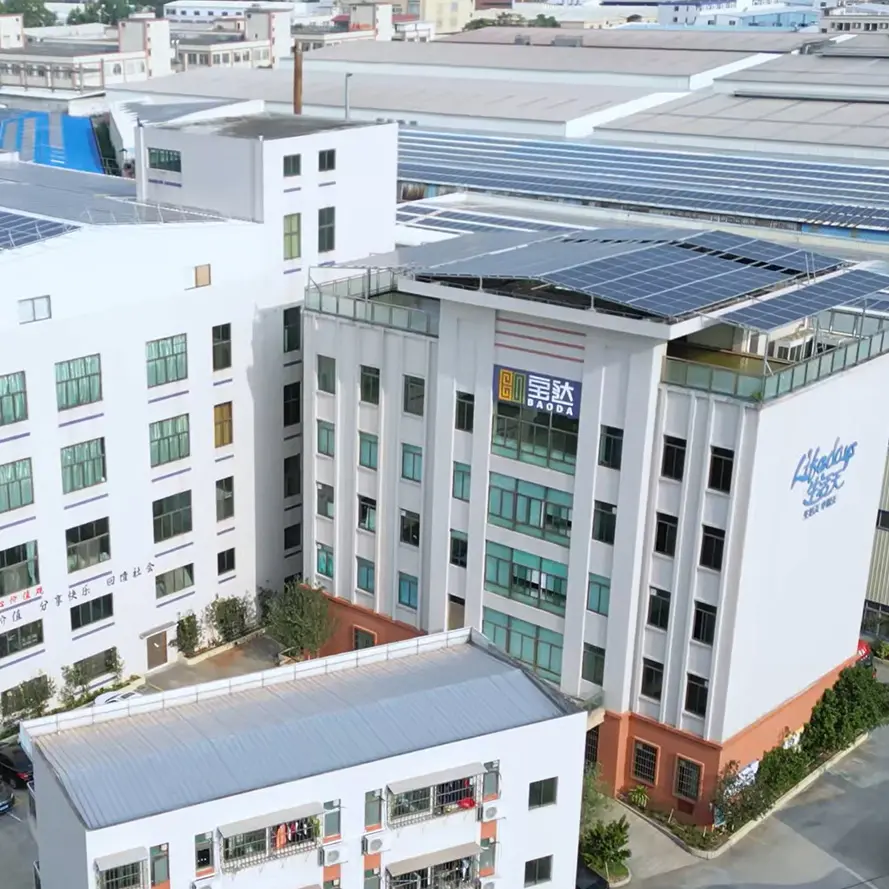
Baoda Manufacturing Infrastructure

"With over 27 years of deep industry expertise dating back to 1998, Baoda Paper operates a state-of-the-art 20,000 square meter manufacturing complex with an annual output capacity exceeding 30,000 tons. This scale allows us to provide global brands, from Walmart to Watsons, with unmatched product consistency and security of supply."

2. Advanced Fiber Engineering: Raw Materials & Production Technologies

To achieve the balanced physical parameters required for heavy-duty kitchen towels, we employ advanced raw fiber refining technologies. The selection of raw materials dictates the final performance:
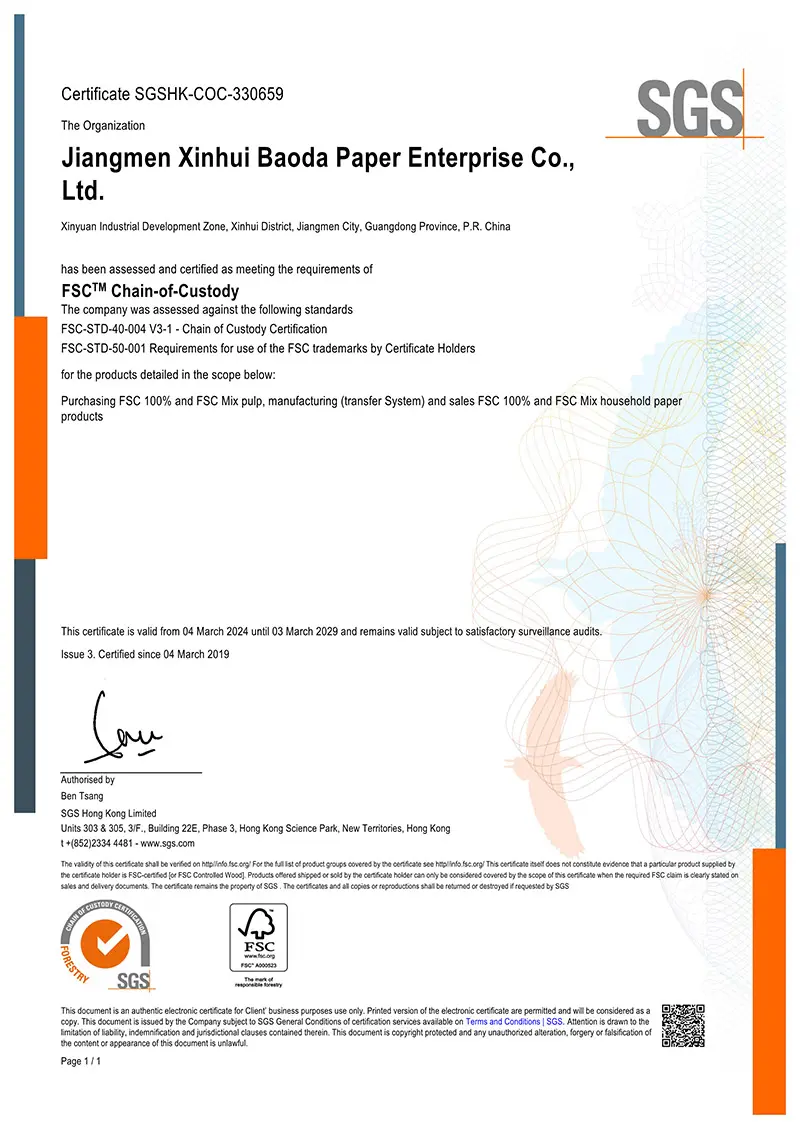
  • 100% Virgin Wood Pulp: Sourced from certified FSC-managed forestry systems. Virgin long-fiber softwood provides the high tensile strength skeleton, while short-fiber hardwood supplies the premium surface softness and rapid water absorption pathways.
  • Embossing & Glue Lamination: Advanced point-to-point and point-to-flat embossing processes lock air chambers between tissue plies. This structural engineering increases liquid absorption up to 12 times the dry weight of the paper sheet. Our specialized glue-lamination lines bind these layers securely, ensuring the sheets do not separate when saturated with water or sanitizing fluids.
  • Lint-Free Surface Treatments: By applying precise thermal calendering and refining processes, we prevent loose fiber migration. This results in lint-free performance on glass, chrome, and stainless steel surfaces.
Hygiene Paper Roll Production Process

3. Macro-Industry Solutions & Global Commercial Landscape

Different commercial sectors present distinct requirements for kitchen towel rolls. Our product lines are systematically structured to provide tailormade solutions:

Food Service and Hospitality (HoReCa): In professional kitchens, towels must comply with food-contact safety standards. Our virgin wood pulp kitchen towels are free of optical brighteners (OBA) and chemical residues, ensuring safe, direct contact with ingredients.

Healthcare and Laboratory Settings: Hygiene protocols require high absorbency and structural integrity when exposed to chemical solvents, alcohols, or disinfectants. Our double-structured, glue-laminated kitchen rolls maintain wet strength integrity during intensive sanitation sweeps.

4. Localized Support, Regulatory Compliance, & Quality Assurances

Exporting to more than 60 countries across the Americas, Europe, Asia, and Oceania requires deep compliance with localized legal frameworks. We systematically verify our production processes against strict international parameters:

  • FDA & EU Food-Contact Compliance: Standard testing guarantees that zero heavy metals, fluorocarbon surfactants, or hazardous chemicals transfer from our kitchen tissue to foods.
  • Global Logistics & Customs Optimization: Using automated high-density compression winding, we pack more linear meters into every roll. This optimization saves space, reduces container freight costs, and minimizes the global carbon footprint of bulk transportation.
  • Traceability Systems: Each batch of raw virgin pulp can be traced back to its forest origin, supporting the localized supply chain needs of eco-conscious global distributors.
27+
Years Manufacturing (Since 1998)
30,000t+
Annual Production Capacity
20,000㎡
Modern Industrial Complex
60+
Export Destination Countries

5. OEM, ODM, & OBM: Comprehensive One-Stop Customization

At Baoda Paper, we understand that product differentiation is key in retail and distribution. Our advanced infrastructure supports customizable solutions across every tier of the product hierarchy:

OEM Manufacturing

Leverage our advanced machinery to produce kitchen rolls to your precise physical specifications, sheet counts, and dimensions under your proprietary brand identity.

ODM Design & Innovation

Our experienced packaging designers and engineers design optimized roll sizes, custom embossing patterns, and protective packaging materials tailored to your target demographics.

OBM & Private Brand Strategy

Partner with Baoda's established, market-tested house formulations to quickly launch stable, premium tissue products into new geographical retail zones.

6. Technical Roadmap & Future Sustainability Initiatives

As a forward-looking tissue manufacturer, our engineering team is actively researching and integrating technologies to meet upcoming environmental mandates:

  • Alternative Fiber Integration: Developing high-absorbency, fast-growing bamboo pulp blends and agricultural residue pulps to reduce reliance on tree-harvested fibers.
  • Plastic-Free Outer Wrappings: Testing compostable and recyclable paper-based primary wraps for kitchen roll packs, helping retail partners satisfy micro-plastic reduction laws.
  • Energy Efficiency in Calendering: Optimizing thermal settings during high-speed paper forming, reducing energy input per metric ton by up to 15%.

Frequently Asked Questions (FAQ) & Sourcing Technicalities

Q1: What is the typical Minimum Order Quantity (MOQ) for custom kitchen towel rolls?
Our standard wholesale MOQ ranges from 10,000 to 20,000 rolls, depending on the custom sheet dimensions, ply structure, and customized packaging requirements. For standard configurations using our default branding, lower quantities can be coordinated.
Q2: How does point-to-point embossing improve tissue performance?
Point-to-point embossing creates structured air pockets between the two tissue plies. When liquid touches the sheet, capillary action quickly pulls it into these dry pockets. This structure increases the rate of absorption and the overall fluid capacity compared to flat, non-embossed alternatives.
Q3: How do you verify food safety compatibility for commercial kitchen use?
We verify all our raw wood pulps and manufacturing processes against FDA and EU food safety standards. No elemental chlorine, optical brighteners, or toxic chemical binders are used during processing. This makes our kitchen towels completely safe for drying foods and wiping preparation areas.
Q4: What is the typical lead time from design finalization to container dispatch?
Initial customized OEM orders require 25 to 30 days. This timeline includes preparing the custom embossing rolls and printing plates. Repeat orders are usually produced and loaded within 15 to 20 days, supported by our 30,000-ton annual capacity.

Recognized Quality & Compliance Standards

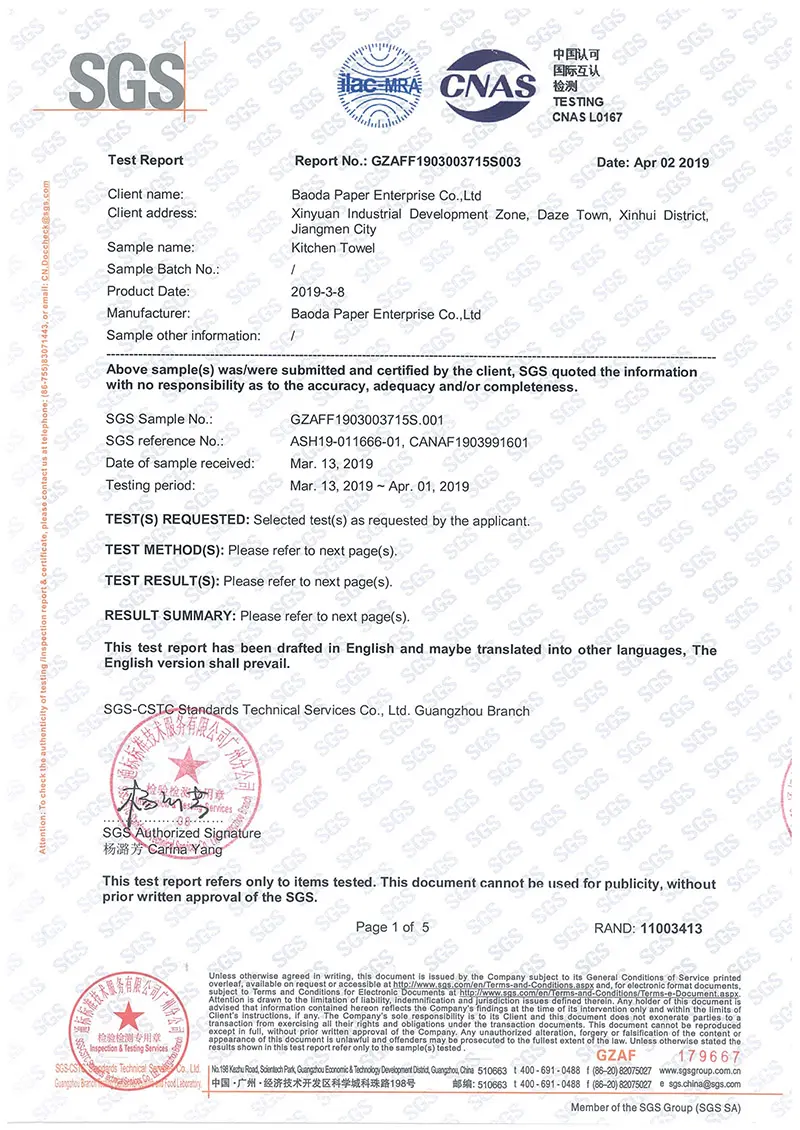
Our commitment to rigorous quality control processes is validated by internationally recognized auditing bodies.
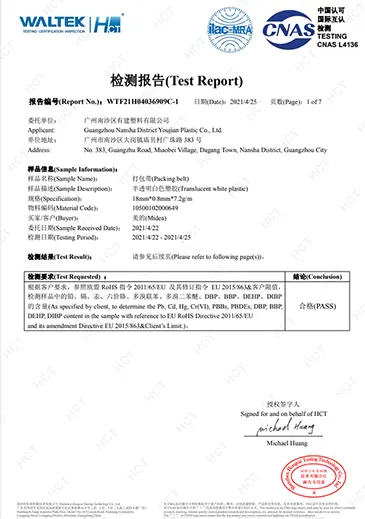
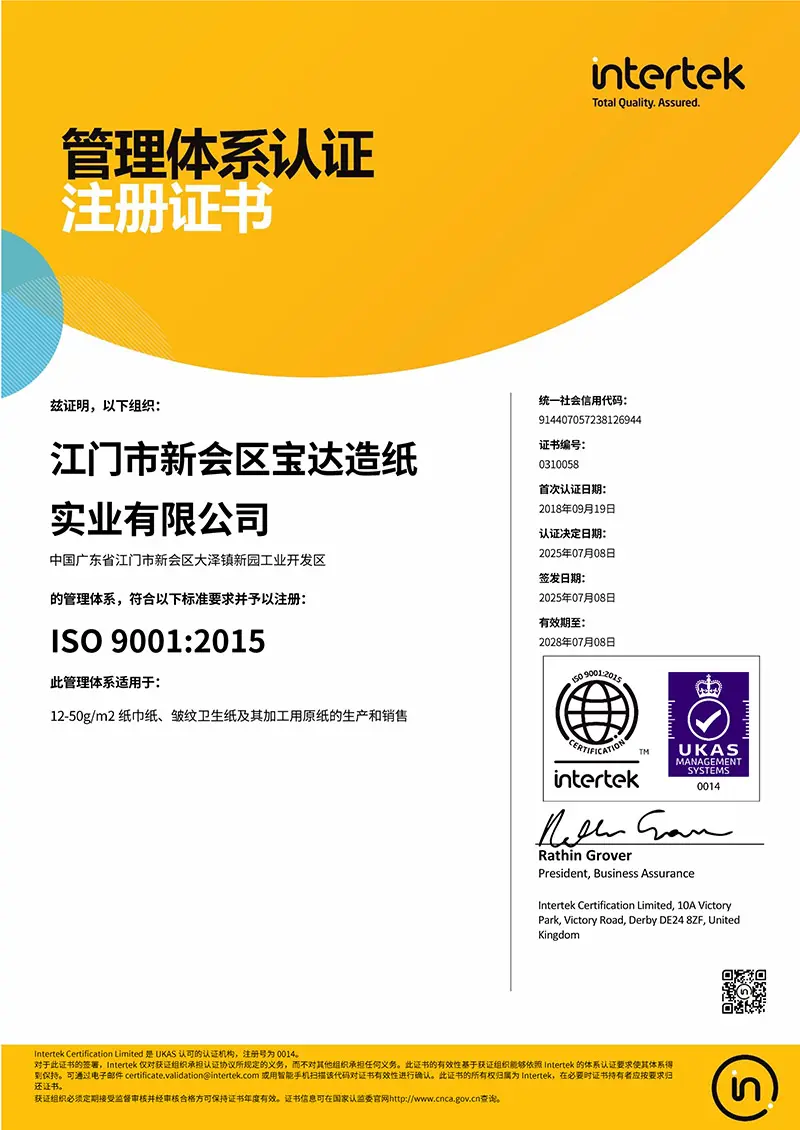
Compliance Certificate 1
Compliance Certificate 2
Compliance Certificate 3
Compliance Certificate 4
Compliance Certificate 5