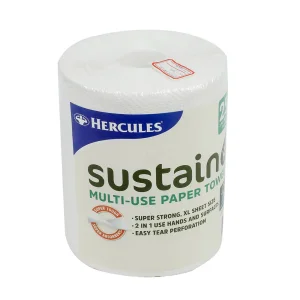
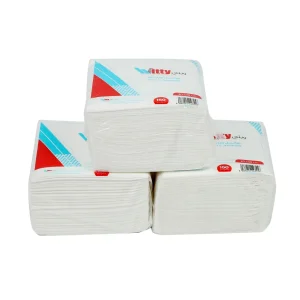
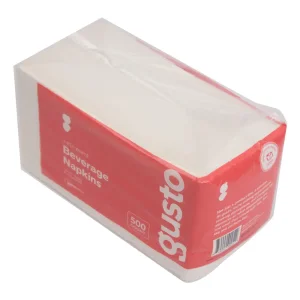
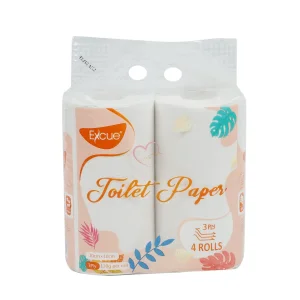
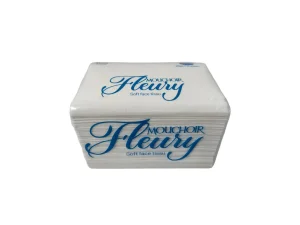
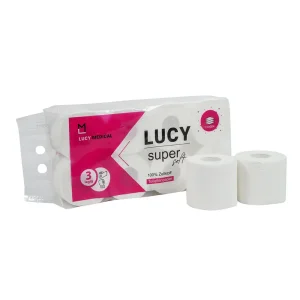
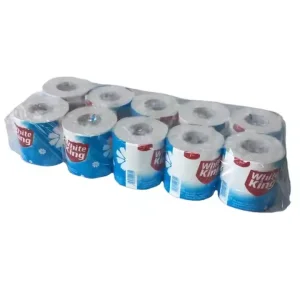
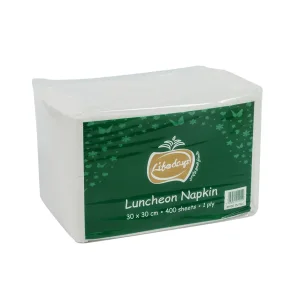
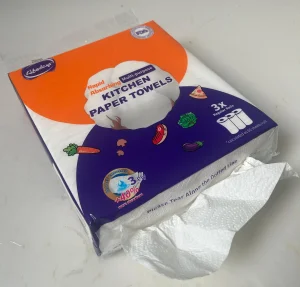
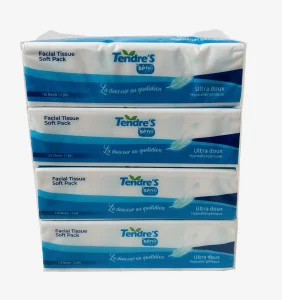
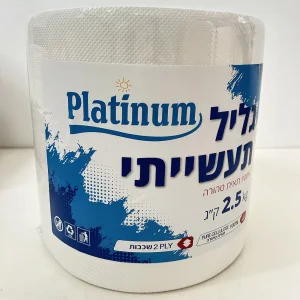
Explore our premium product configurations engineered for ultimate strength, absorption, and ecological compliance.
Analyzing global demand shifts, chemical frameworks, and strategic procurement methodologies for commercial buyers.
Historically, the paper manufacturing industry relied heavily on elemental chlorine gas to bleach wood pulp, giving tissue products their characteristic bright white appearance. However, this process yields highly toxic chlorinated byproducts, including dioxins and furans, which persist in the environment and bioaccumulate in ecological food chains. In response to stringent EPA regulations, EU Ecolabel criteria, and shifts in consumer intent, the tissue industry has migrated towards advanced alternative bleaching processes:
At Baoda Paper Co., Ltd., we operate state-of-the-art closed-loop pulp processing configurations that enable custom formulation of both ECF and TCF private label solutions. By leveraging virgin wood pulp and sustainably managed bamboo fibers, we ensure that the high tensile strength, water absorption capacity, and skin-friendly pH values of our products are maintained without ecological compromises.
For multinational retailers, enterprise distributors, and corporate hospitality purchasers, the procurement of paper hygiene commodities has evolved from a simple unit-cost negotiation into a strategic exercise in ESG (Environmental, Social, and Governance) compliance. Buying groups face significant pressure to verify the trace origins of their fiber products to avoid brand damage associated with deforestation and toxic effluent discharge.
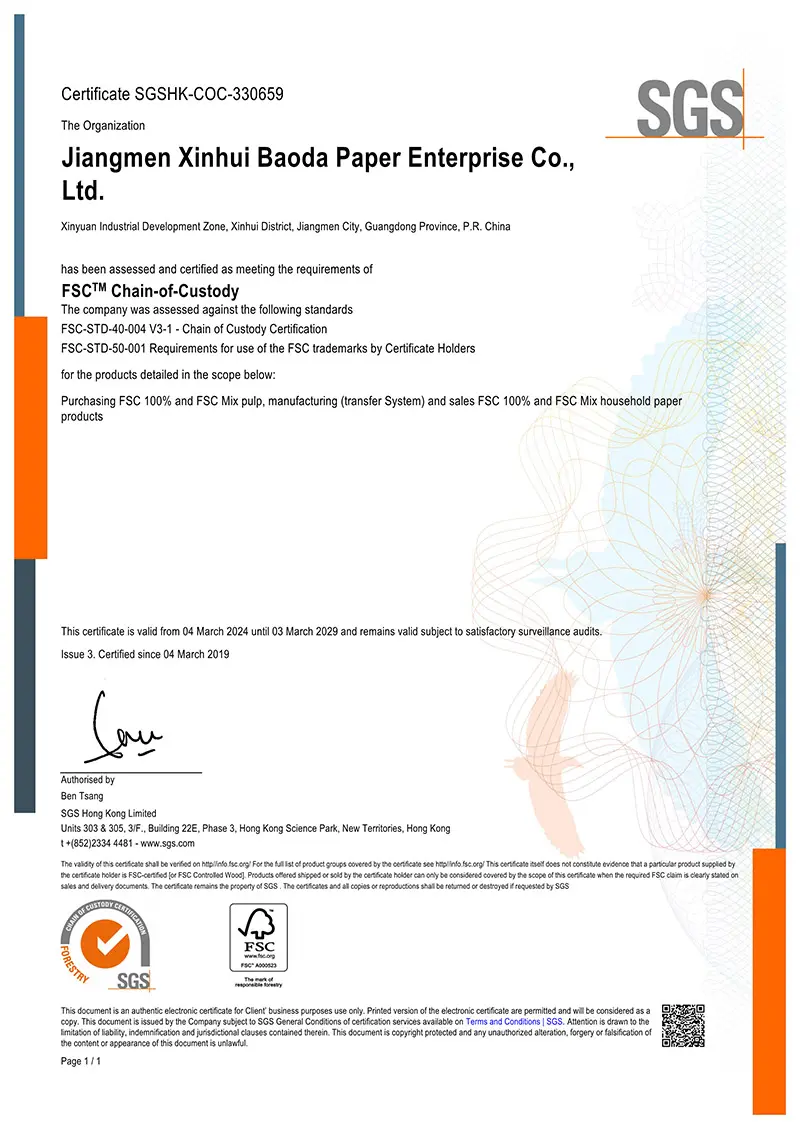
Modern procurement pathways prioritize OEM/ODM factories that offer complete vertical certification, guaranteeing that raw inputs originate from FSC-certified (Forest Stewardship Council) forests or verified agricultural residues. Partnering with a manufacturer that implements automated inspection technologies and systematic chemical controls ensures consistent quality. This reduces product defect rates and prevents regulatory import issues in high-compliance jurisdictions like Western Europe and North America.
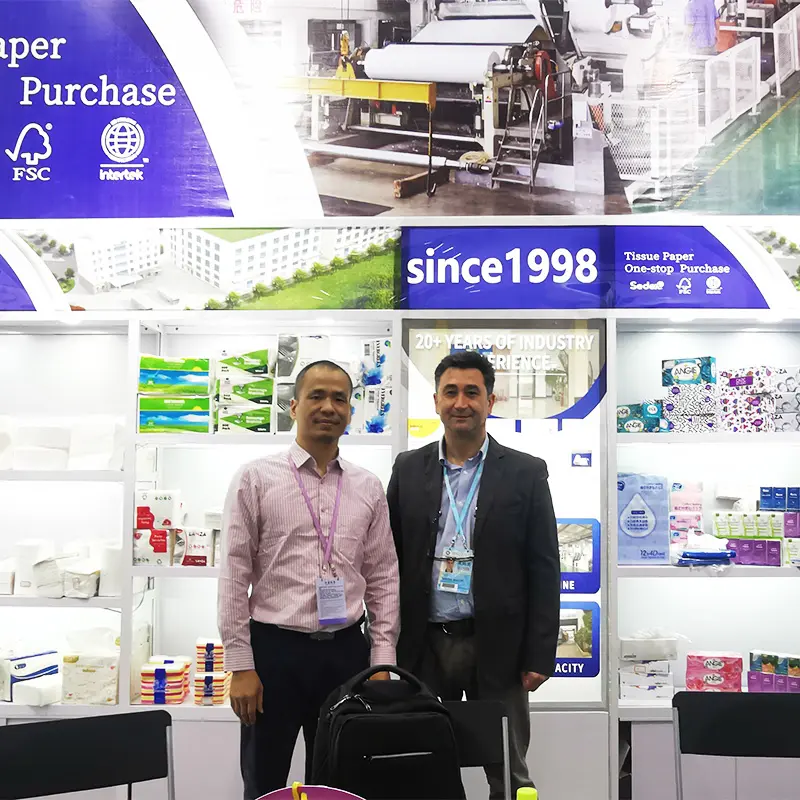
For over 27 remarkable years, since our inception in 1998, Baoda Paper Co., Ltd. has stood as an unwavering cornerstone of China's tissue paper industry, evolving from a domestic manufacturer into a globally recognized force. We have meticulously built our legacy on a formidable foundation of advanced manufacturing excellence and an unwavering commitment to quality.
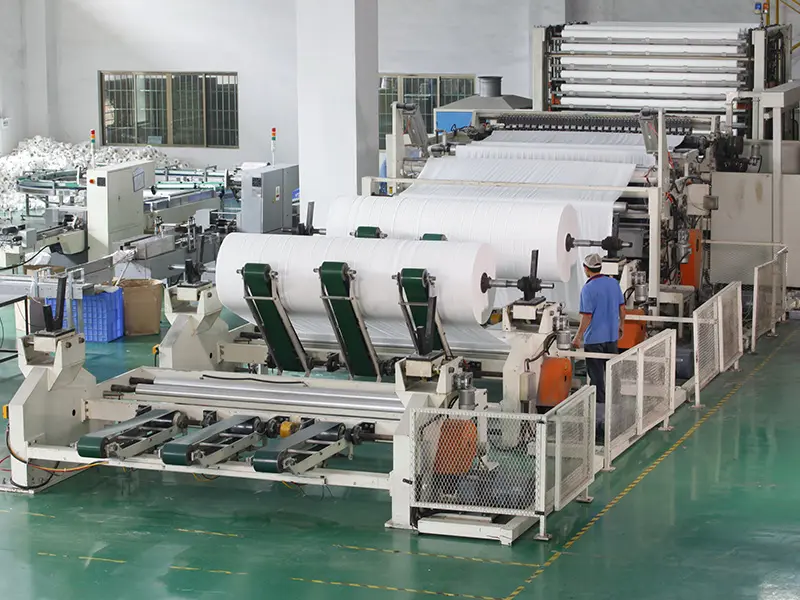
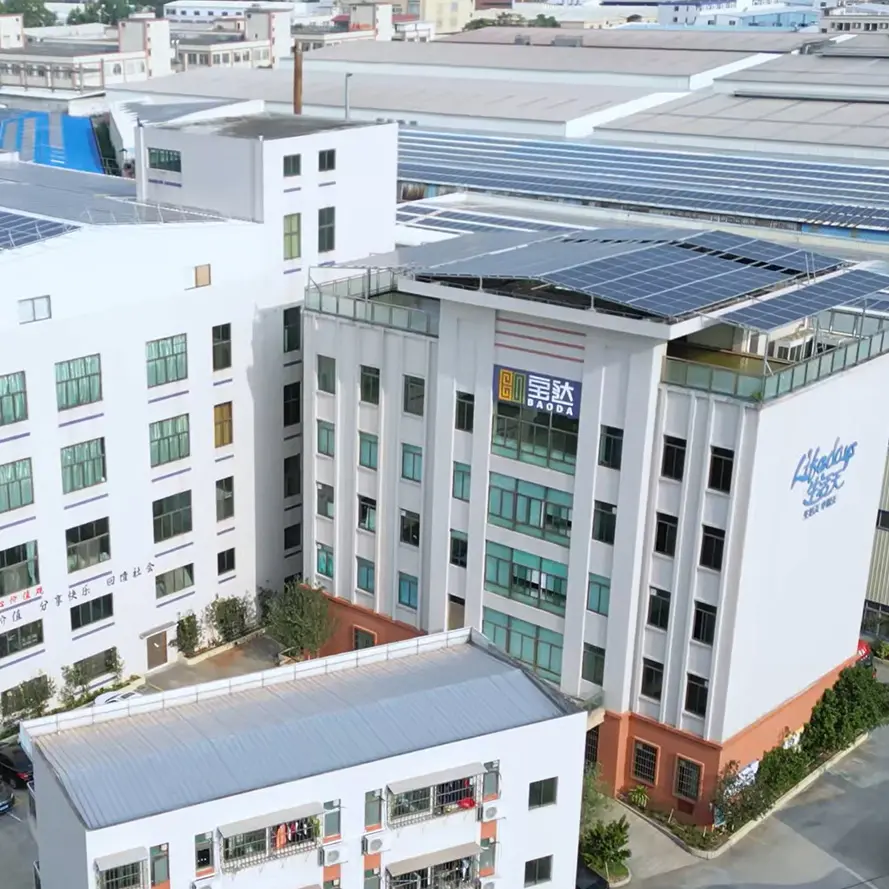
Our modern, sprawling complex, exceeding 20,000 square meters, is a testament to this commitment. Within its walls, we house state-of-the-art, imported high-speed paper machines and sophisticated automated processing lines. This powerful infrastructure is the engine behind our impressive annual production capacity of over 30,000 tons, enabling us to meet large-scale demands without compromising on the consistent quality that defines the Baoda name.

Our infrastructure guarantees continuous bulk deliveries, conforming to strict industrial requirements and high supply-chain integrity.
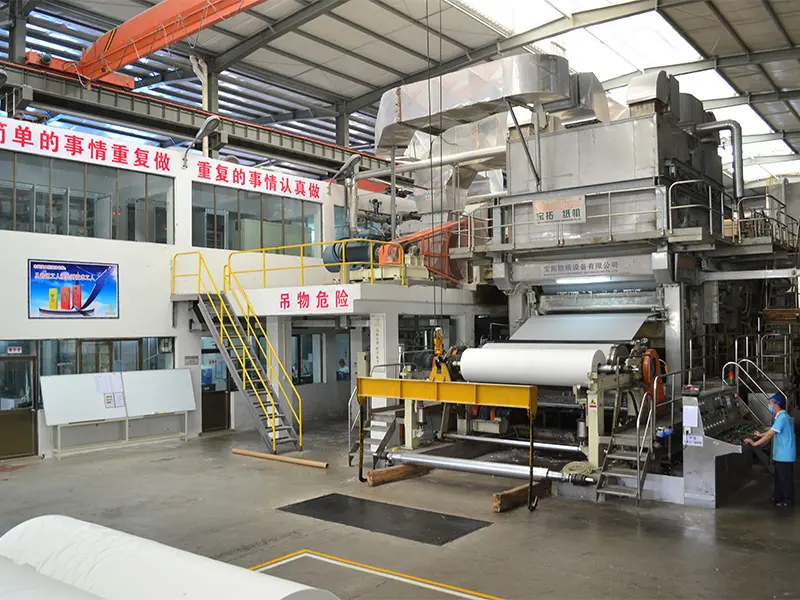
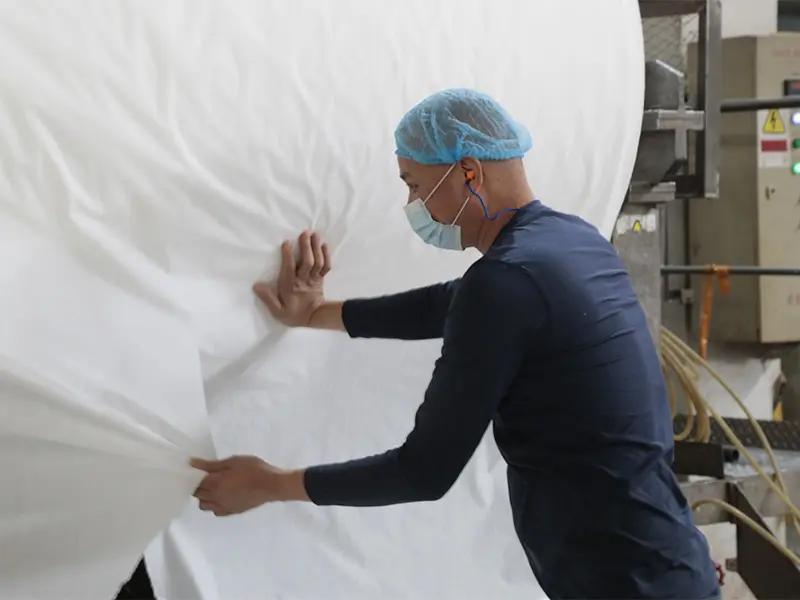
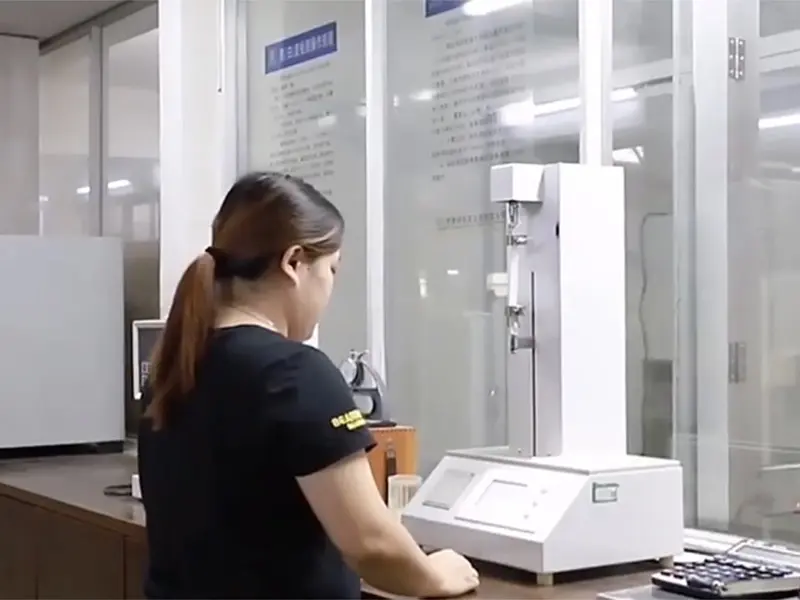
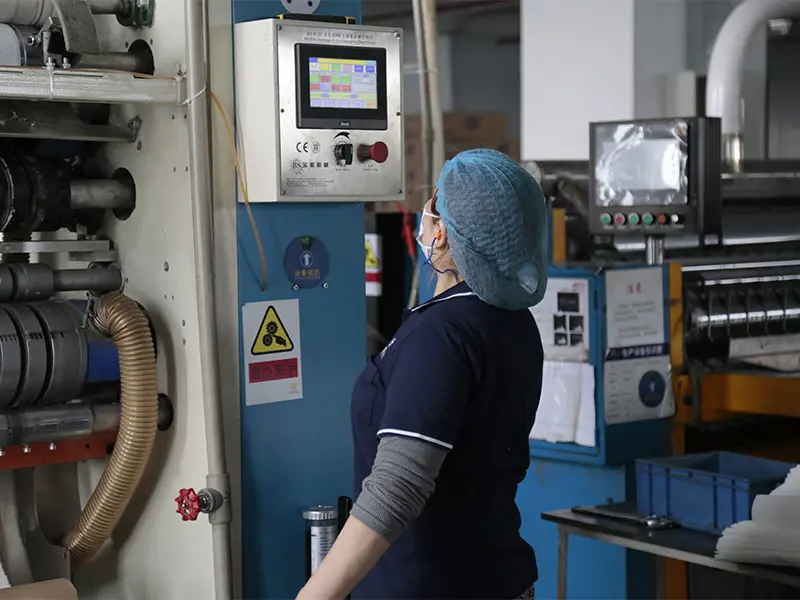
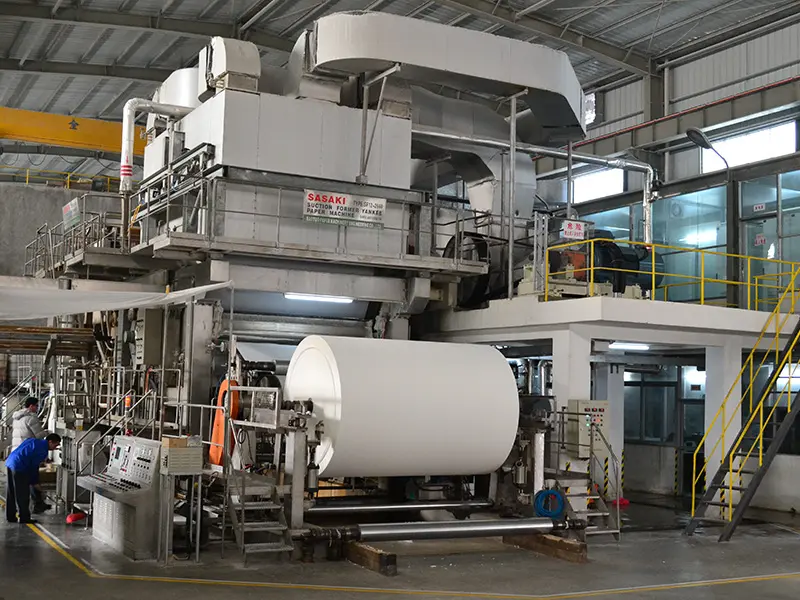
Combining structural supply-chain efficiency with stringent testing controls to offer maximum value to global clients.
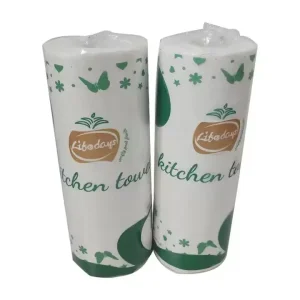
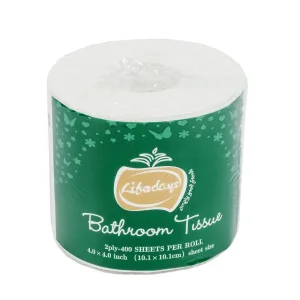
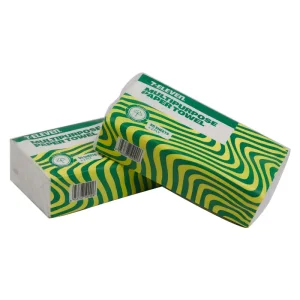
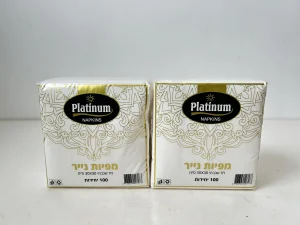
Our comprehensive and curated product portfolio is designed to provide complete one-stop solutions for diverse market needs. We offer an extensive range of products, from essential household items like premium toilet rolls, versatile kitchen towels, and soft facial tissues to convenient and hygienic pocket tissue packs for on-the-go use.
Understanding the diverse paths to market success, our business model is both robust and flexible. While we proudly market three successful self-owned brands, we are also a premier partner for clients seeking to build their own product lines. We specialize in tailored ODM (Original Design Manufacturing), OEM (Original Equipment Manufacturing), and OBM (Original Brand Manufacturing) services, working collaboratively to bring our clients' unique visions and brand identities to life with precision and expertise.
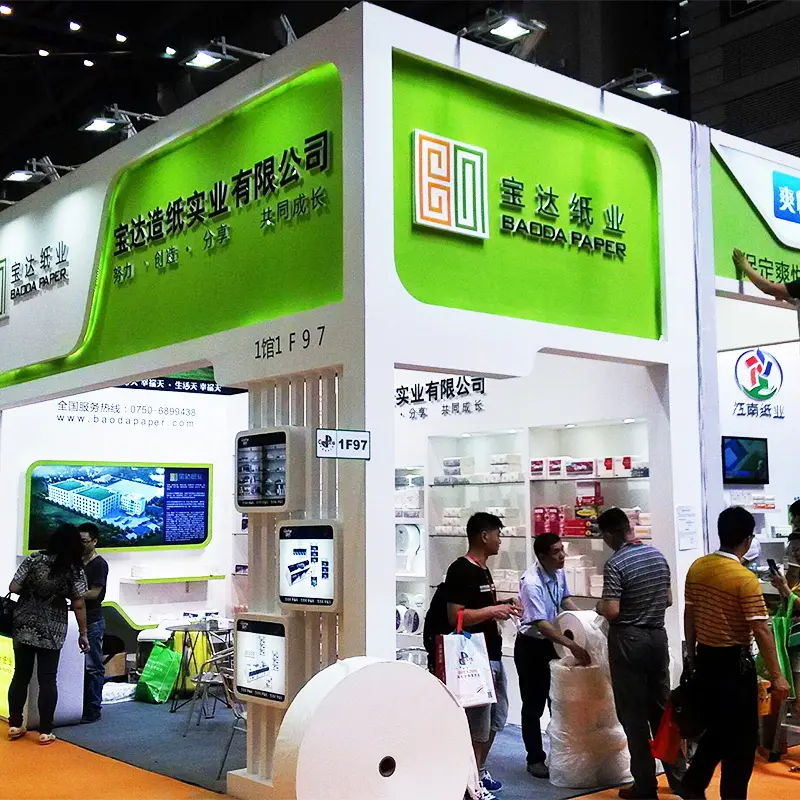
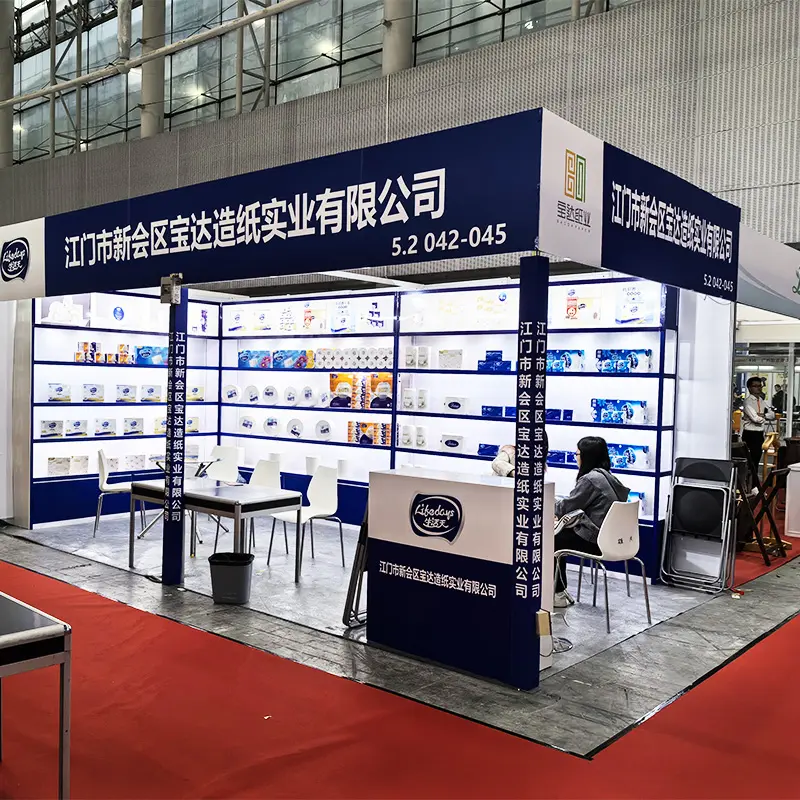
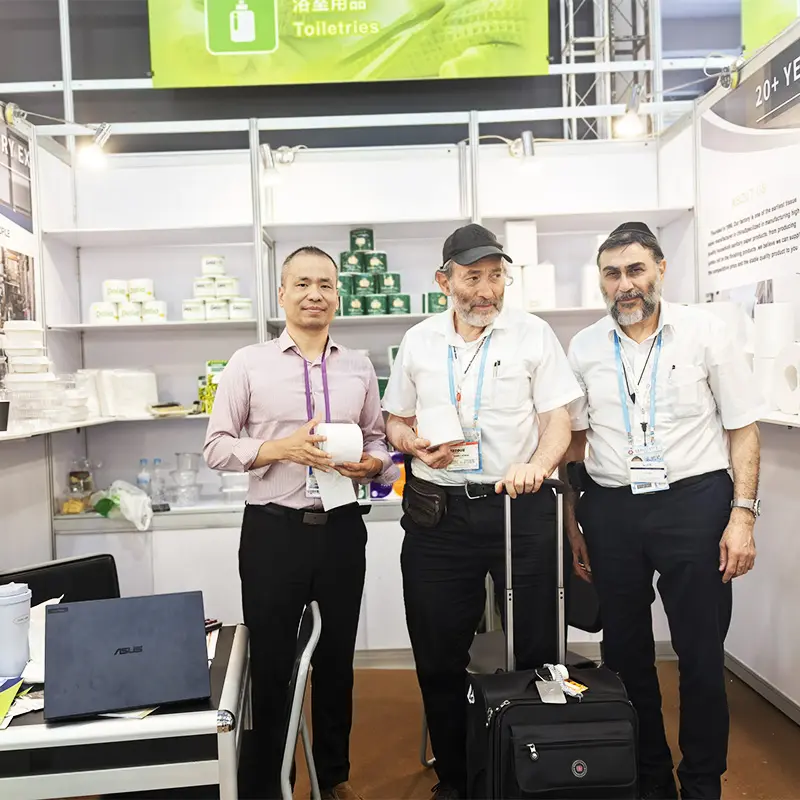
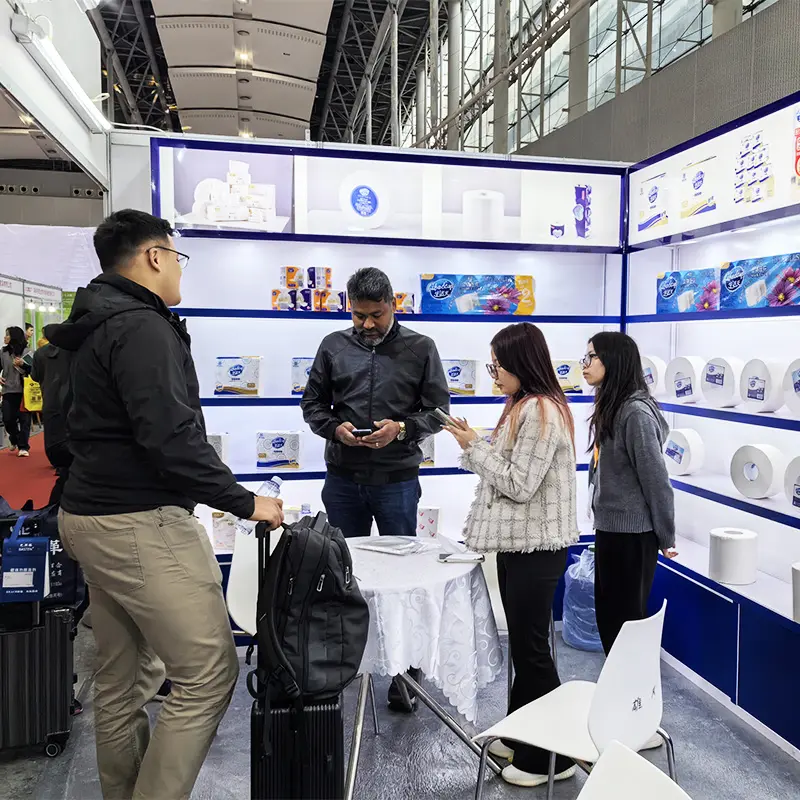
How we help international buyers navigate local import standards, customs hurdles, and specific target-market requirements.
Every market has different preferences for packaging sizes, roll count configurations, and language requirements. For example, North American supermarket buyers prefer large bulk rolls with high sheet counts (300 to 500 sheets per roll), while Japanese and European markets prioritize compact, high-density rolls with embossed patterns.
Baoda Paper provides comprehensive packaging customization services to meet these varied needs. Our design team creates localized packaging layouts in multiple languages, ensuring compliance with local labeling laws. We offer various packaging materials, from recyclable plastics to biodegradable paper wraps, helping your brand meet local environmental standards.
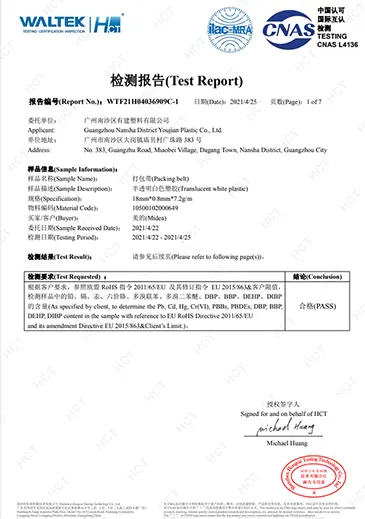
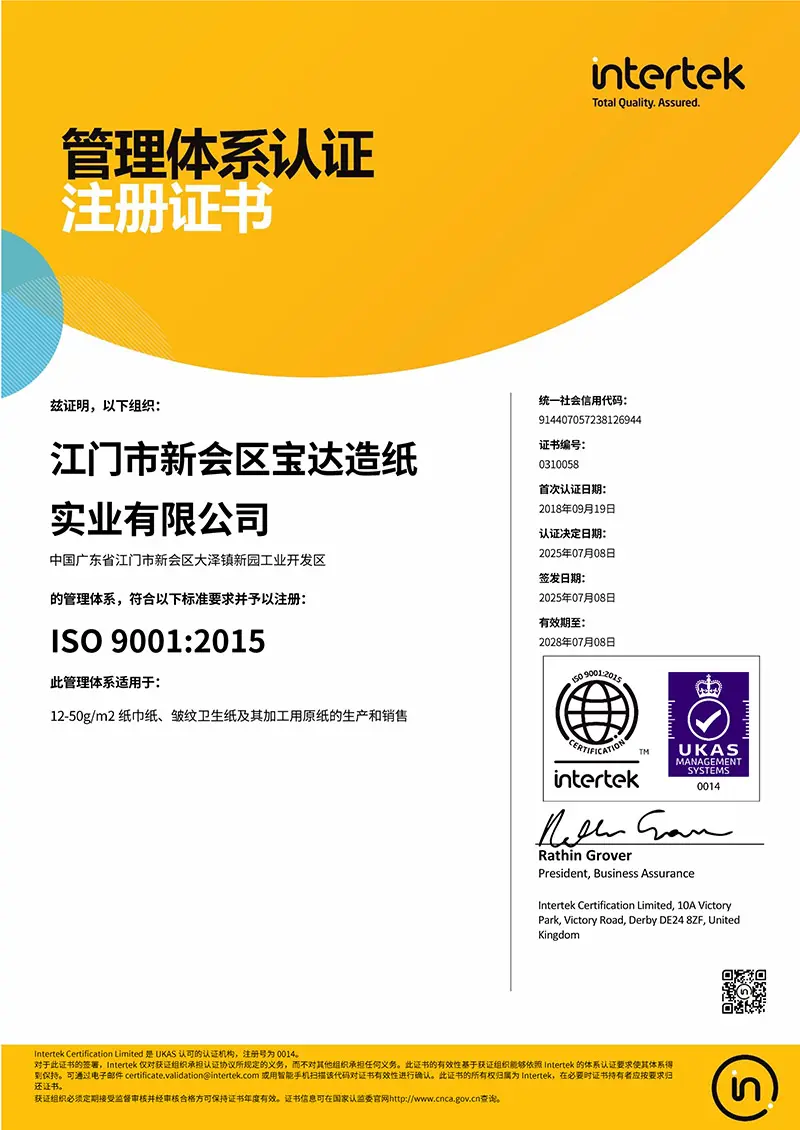
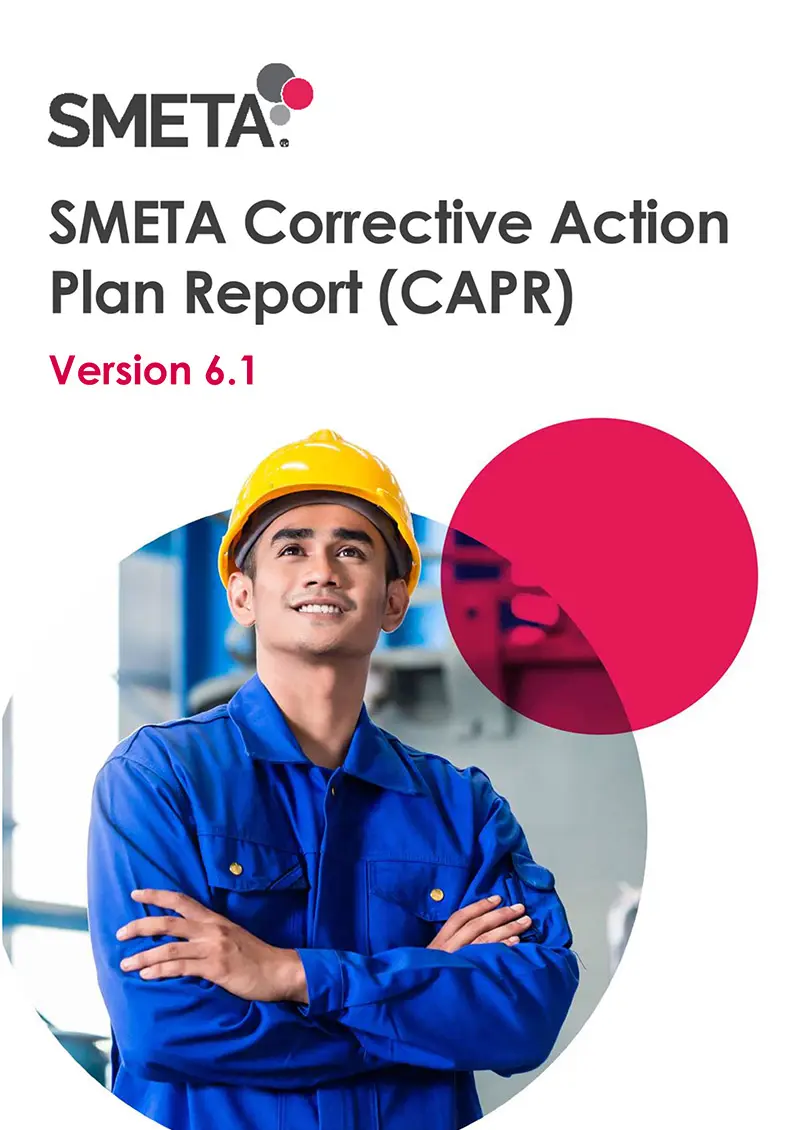
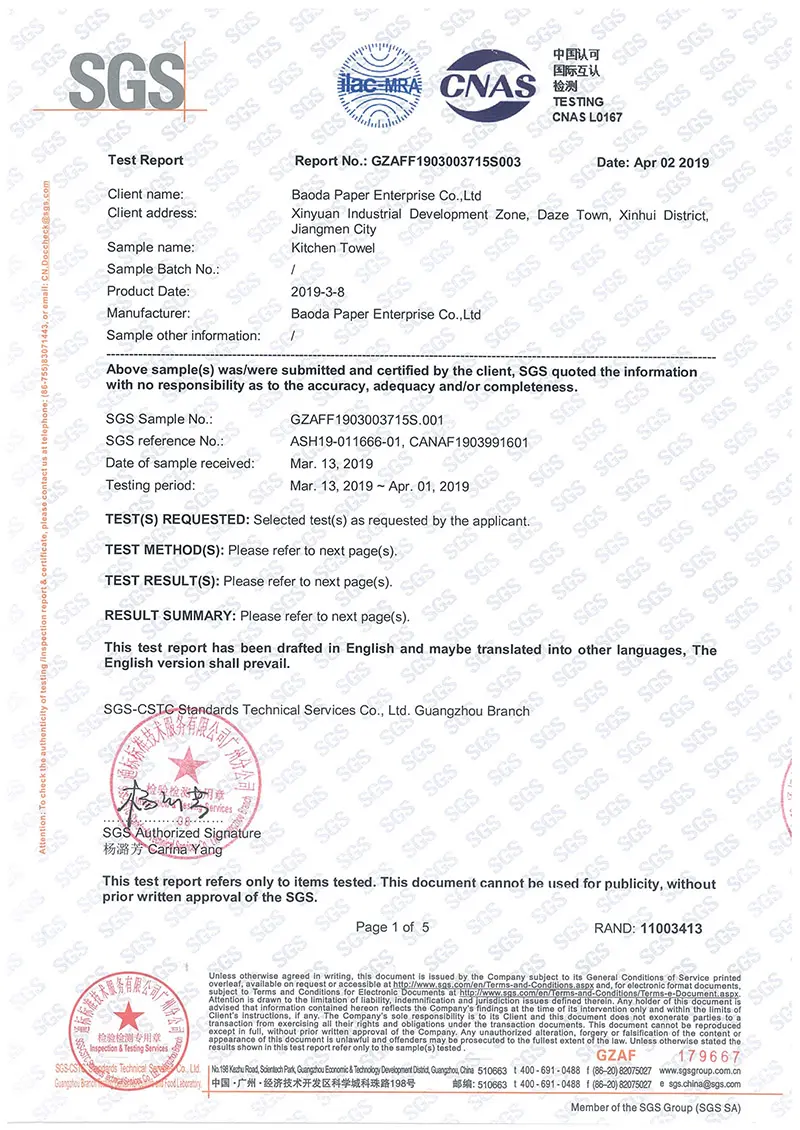
Importing wood pulp products requires strict compliance with international regulations. Our production facilities and raw materials are fully certified to meet the import requirements of different regions:
By maintaining these certifications, we help our clients avoid customs delays, reduce compliance risks, and provide clear product origin information to eco-conscious consumers.
Analyzing how Baoda integrates localized cluster advantages, advanced automation, and hub-port logistics to optimize total cost of ownership (TCO).
China's paper-making sector benefits from a robust ecosystem of raw material sourcing and logistics infrastructure. Located in key manufacturing hubs, factories like Baoda access high-grade virgin wood pulp, bamboo fibers, and recycled resources with low internal transit costs.
Our automated pulp-blending systems allow us to adjust fiber compositions precisely to meet custom specifications. We can blend long conifer fibers for tear resistance with short deciduous fibers for softness, allowing us to customize tissue products for different market requirements while maintaining competitive prices.
Our factory features high-speed paper machines and automated slitting, rewinding, and packing systems. By replacing labor-intensive methods with precision automation, we maintain consistent product quality and speed up production.
These automated lines allow us to respond quickly to large bulk orders, keeping lead times short even during high-demand seasons. For global brands, this means reliable inventory replenishment and lower supply chain risks.
Shipping logistics play a vital role in determining the landed cost of bulk paper tissue exports. Our facility's proximity to major deep-water ports allows us to secure reliable container allocations and competitive ocean freight rates. By optimizing container space during loading, we maximize roll counts per shipment, helping our global partners reduce transport costs.
Addressing core technical and commercial questions from procurement directors and supply-chain professionals.
Premium tissue products crafted for hospitality, medical, retail, and corporate environments.
 BAODA PAPER