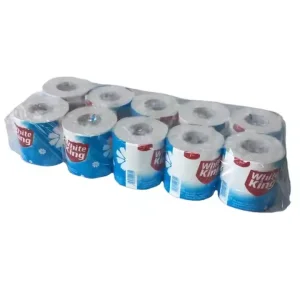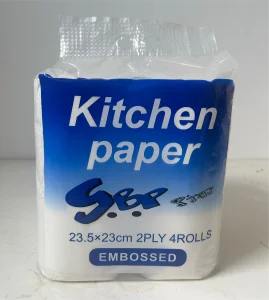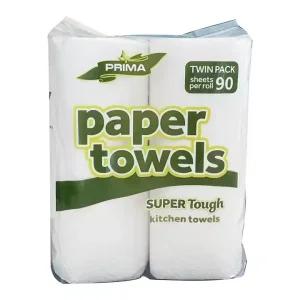
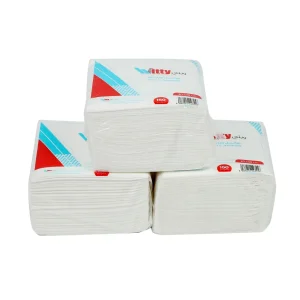
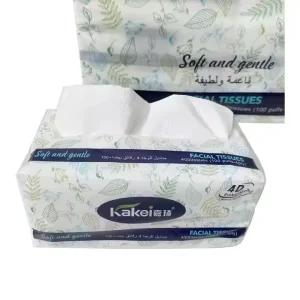
In the contemporary global commercial space, toilet paper jumbo rolls represent far more than a basic commodity. They are a critical element of high-traffic washroom facility management, public health strategy, and corporate ESG (Environmental, Social, and Governance) targets. From airports and sports arenas to massive corporate campuses, the shift from standard rolls to optimized jumbo roll systems is accelerating. High-density buildings require systemic hygiene components designed to minimize maintenance touchpoints, maximize resource conservation, and eliminate dispenser runouts.
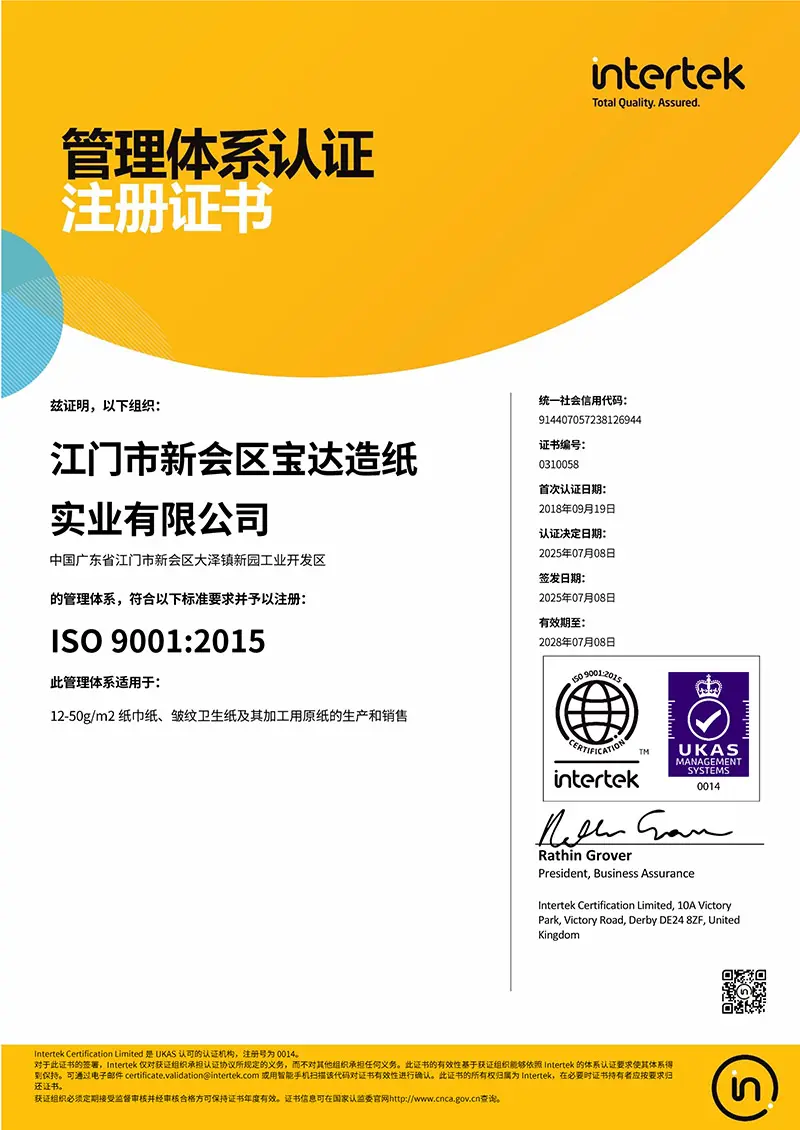
As a leading ODM Toilet Paper Jumbo Rolls Manufacturer and Exporter, Baoda Paper Co., Ltd. analyzes these market currents through structural engineering and sustainable material processing. With an industrial history spanning 27 years, our production capacity integrates advanced manufacturing metrics with strict compliance parameters. This ensures our partners receive not only consistent bulk roll supplies but also tailored engineering configurations that align with international dispenser designs, chemical safety standards, and logistical efficiencies.

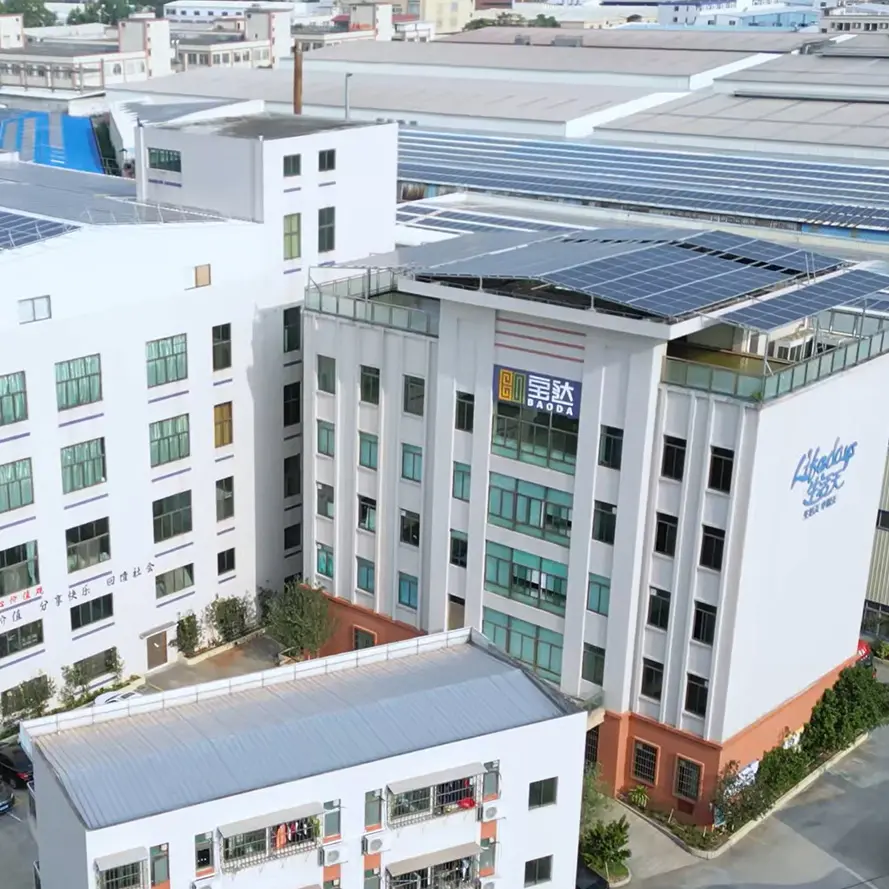
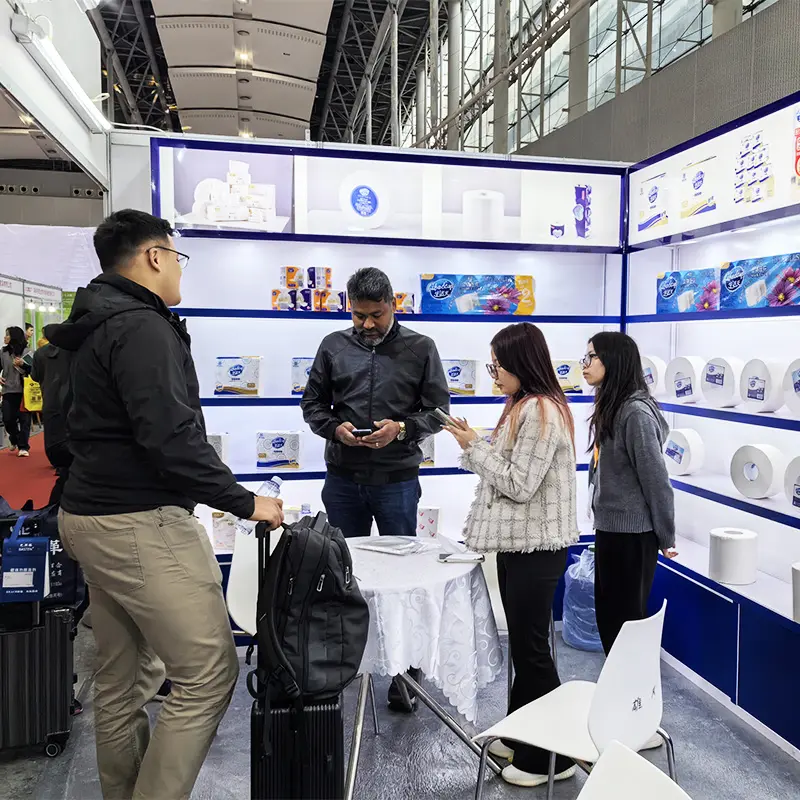
Established in 1998, Baoda Paper has spent more than 27 years driving manufacturing innovations in the paper conversion industry. Today, we process raw pulp materials into high-performance tissues over a 20,000-square-meter facility. This footprint houses automated slitting machines, high-speed winding equipment, and multi-embossing configurations that yield an annual production capacity of over 30,000 metric tons.
Our business structure is built to support scale. Whether supplying global entities under OEM programs, partnering with brands on complex ODM (Original Design Manufacturing) layouts, or managing private brands, we offer an agile production process. Our global logistics footprint reaches 60+ countries, with a deep presence across the United States, Australia, the EU, and Southeast Asia.
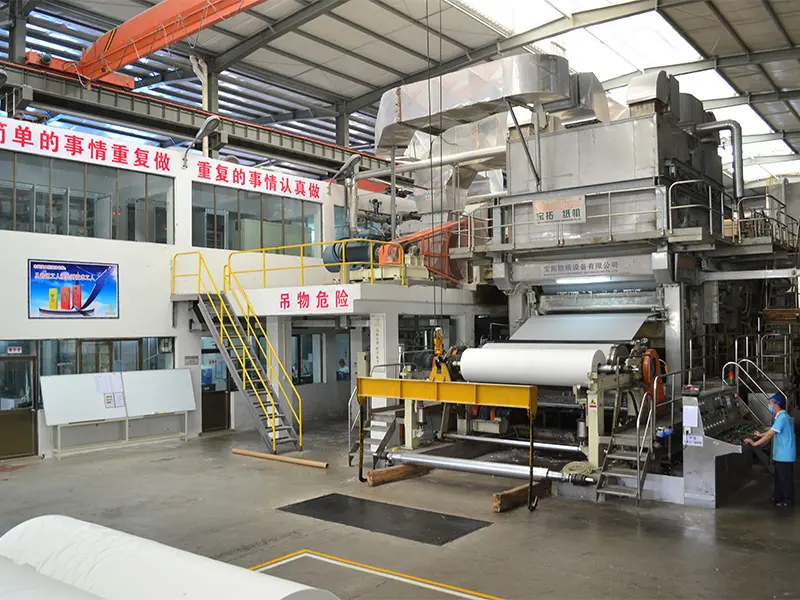
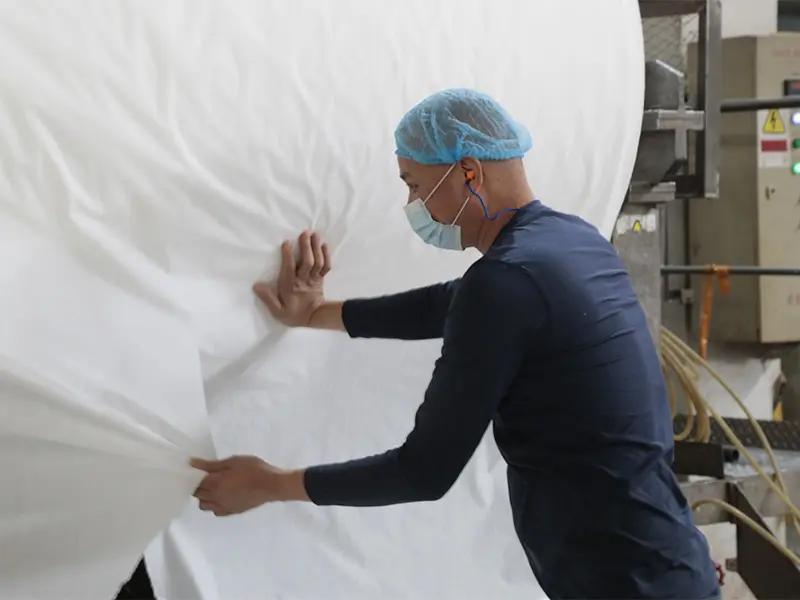
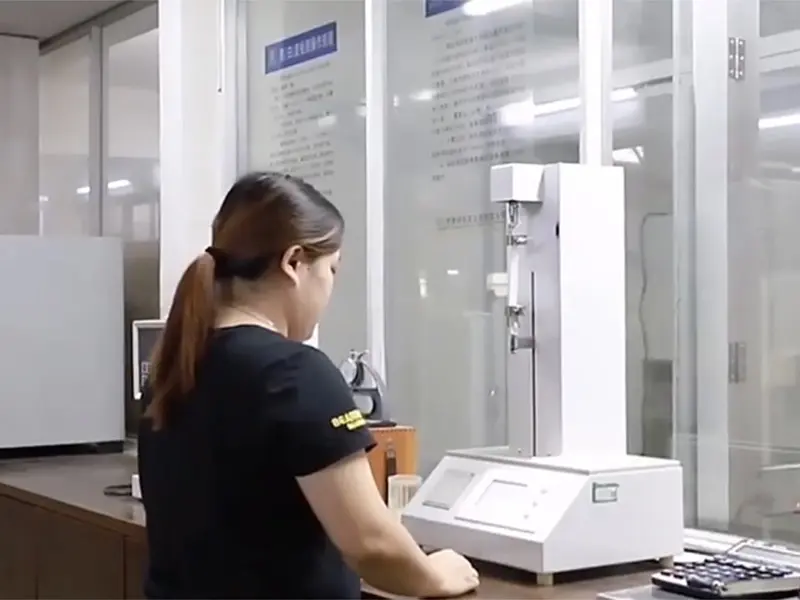
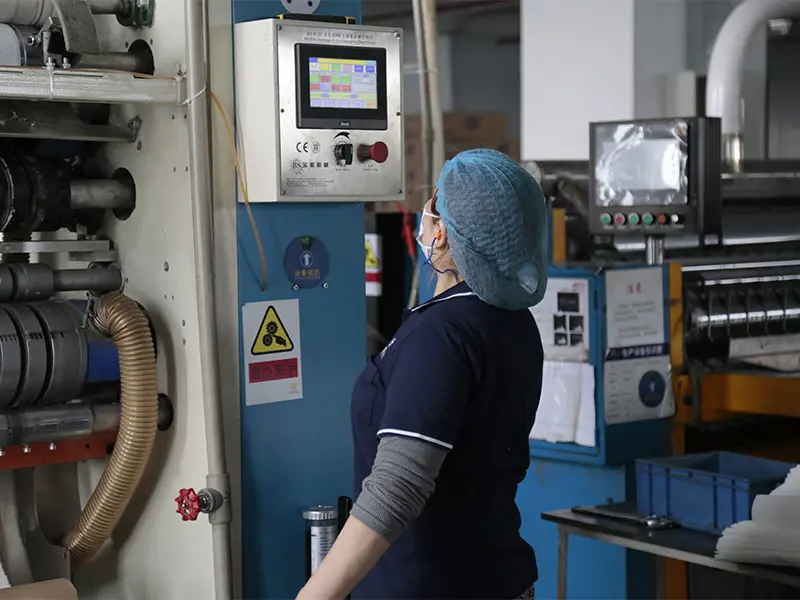
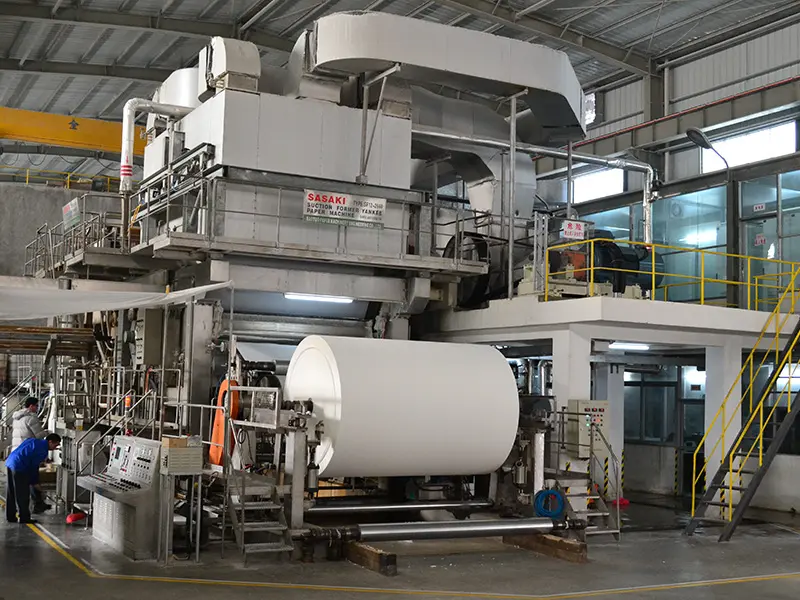
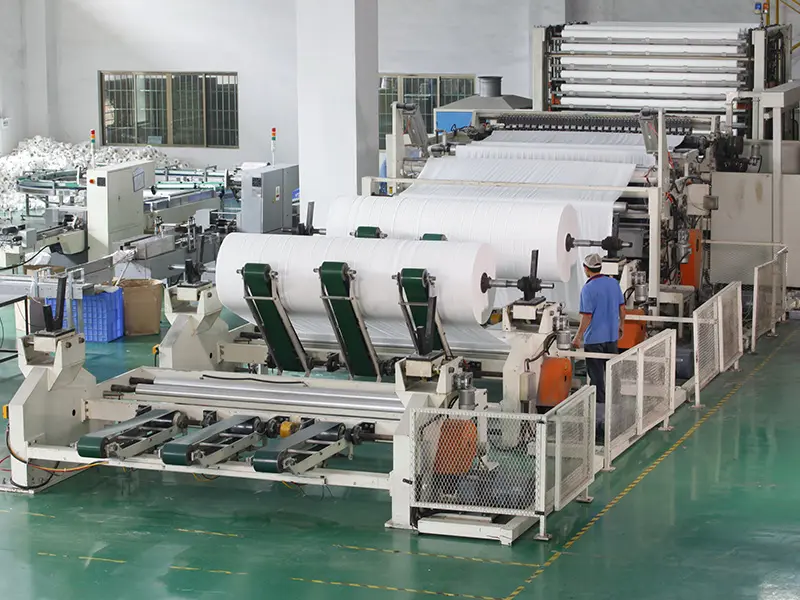
Baoda Paper works in compliance with standard commercial dispenser clearances worldwide. We customize outer roll diameters, core configurations, and basis weights to meet local specifications. Below is the technical matrix of our standard ODM jumbo roll line:
| Technical Metric | Specification Range | ODM Tailoring Options |
|---|---|---|
| Raw Material Grade | 100% Virgin Wood Pulp / Mixed Pulp / FSC-Certified Fibers | Custom bamboo or recycled blends based on contract request |
| Ply Configuration | 1-Ply, 2-Ply, or 3-Ply | Point-to-point lamination or mechanical ply bonding |
| Basis Weight (GSM) | 13.5 gsm to 17.5 gsm per ply | Adjustable weight curves to meet tensile requirements |
| Roll Diameter Range | 180 mm to 270 mm (nominal 9" & 12") | Custom diameters to fit enclosed proprietary dispensers |
| Core Diameter Options | 45 mm, 58 mm, 76 mm (1.77", 2.28", 3") | Removable cardboard cores or coreless variations |
| Perforation & Slitting | Perforated lines at 90 mm to 110 mm intervals | Non-perforated configuration for automatic-cut systems |
| Embossing Patterns | Micro-embossing, Edge-embossing, or Plain | Custom roller toolings for corporate branding integration |
| Water Dispersibility | Disperses in under 15 seconds under mechanical action | Designed for zero plumbing blockage rates |
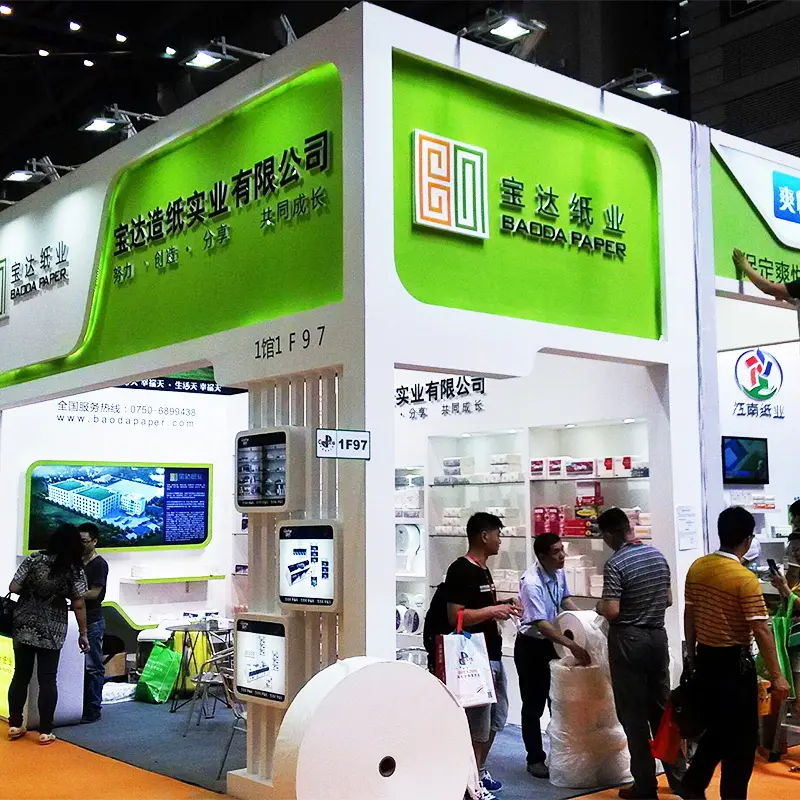
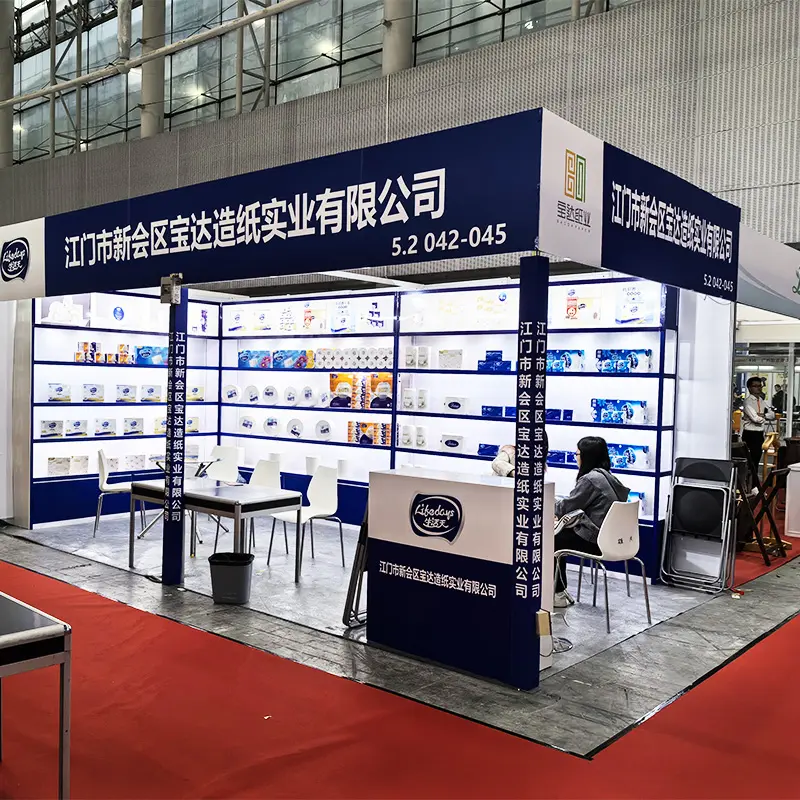
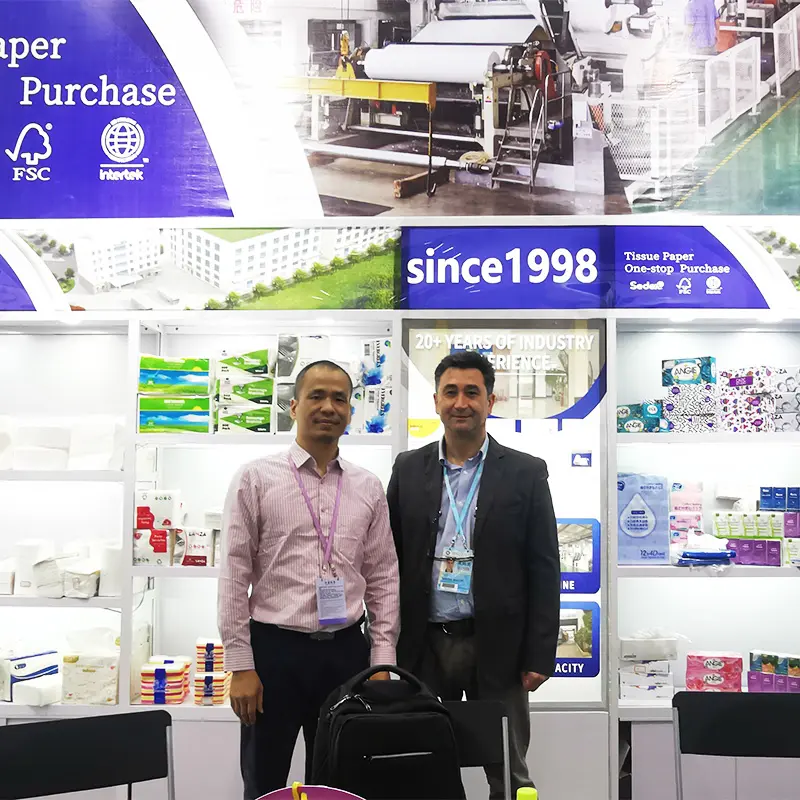
In B2B purchasing, a supply chain break is far more than a minor annoyance. For distributors servicing hundreds of airports, hospitals, or retail locations, delays in tissue replenishment lead to immediate contract penalties. Baoda Paper addresses these risk profiles with built-in, systemic fail-safes designed for our international clientele.
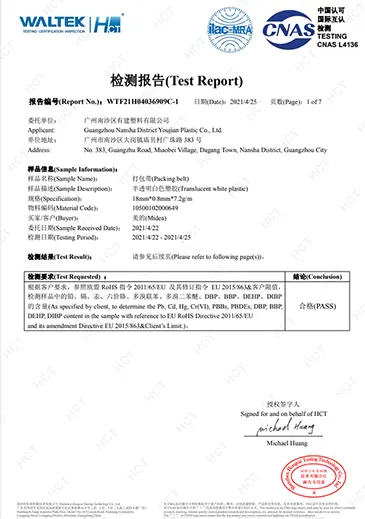
Exporting to more than 60 countries has enabled Baoda Paper to build a compliance framework that simplifies customs procedures. We design and structure container loading strategies that maximize bulk cargo density, reducing container unit-freight costs. We offer door-to-door, FOB, CIF, and DDP agreements, coordinating closely with international shipping partners to secure freight priority even during high-demand shipping seasons.
Our ODM solutions encompass all aspects of external branding. Bulk rolls can be single-wrapped in recyclable paper sleeves or clear poly film, featuring custom branding. We configure outer master cartons using high-bursting strength, double-wall corrugated material to prevent collapse during moisture-heavy sea transits, preserving roll geometry and preventing paper crushed-core failures.
We maintain active relationships with global pulp suppliers to insulate our clients from volatile commodity swings. By holding reserves of wood pulp at our production hub, we ensure that our manufacturing runtimes remain consistent, even in periods of global raw material shortages. This strategic buffer enables us to guarantee stable pricing programs for long-term supply agreements.
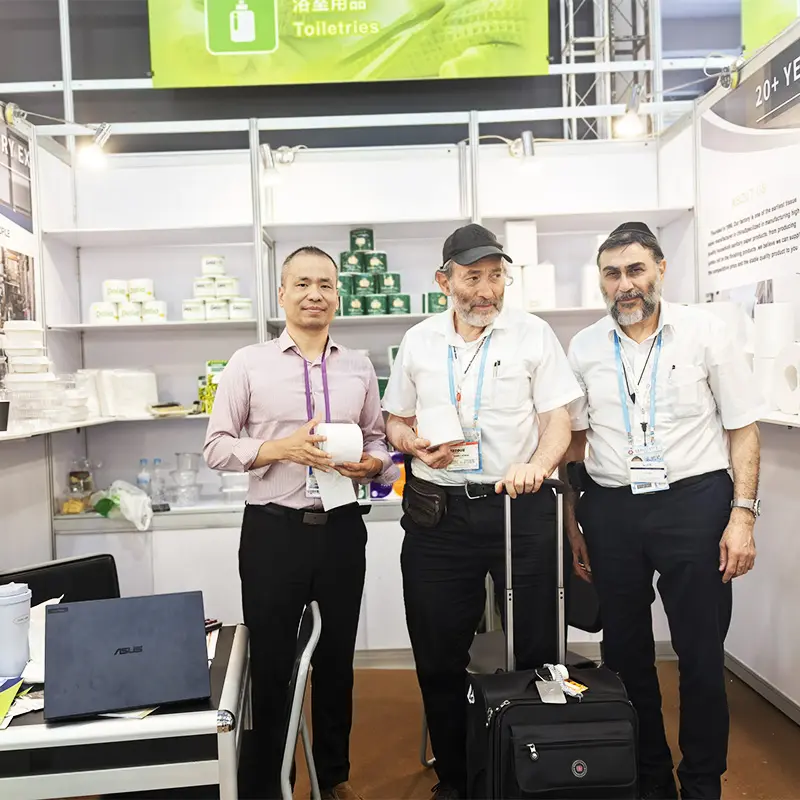
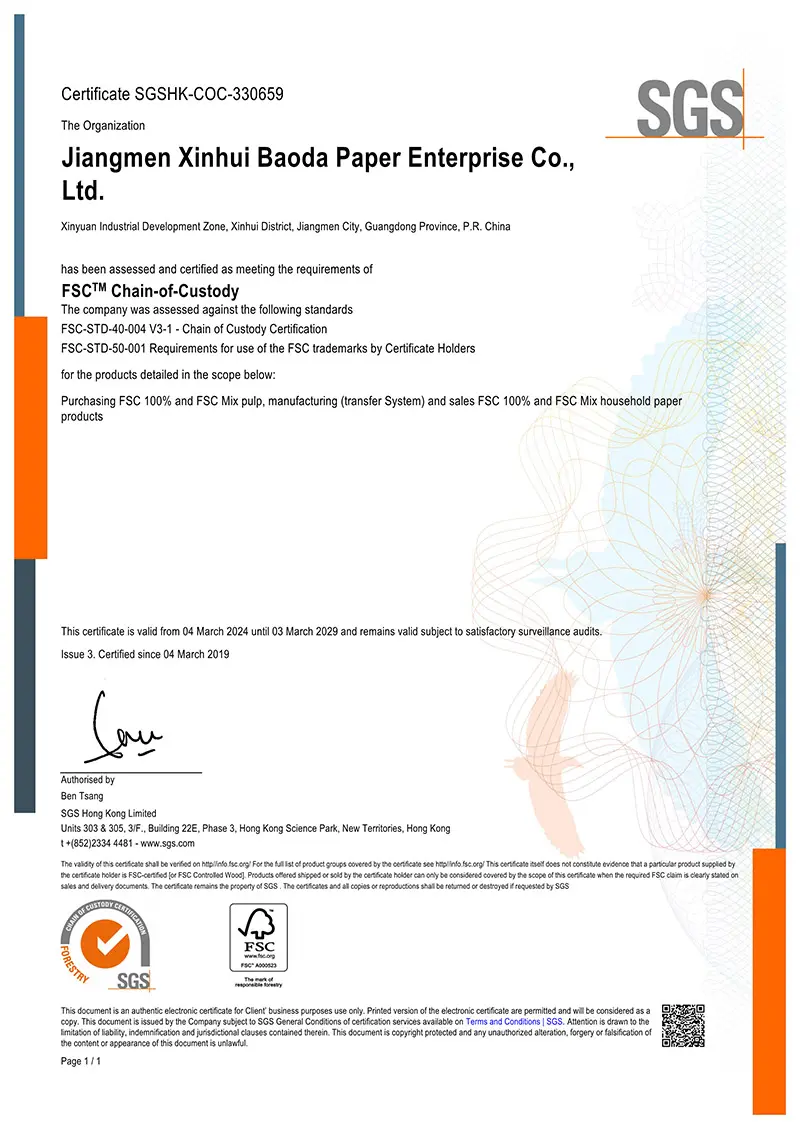
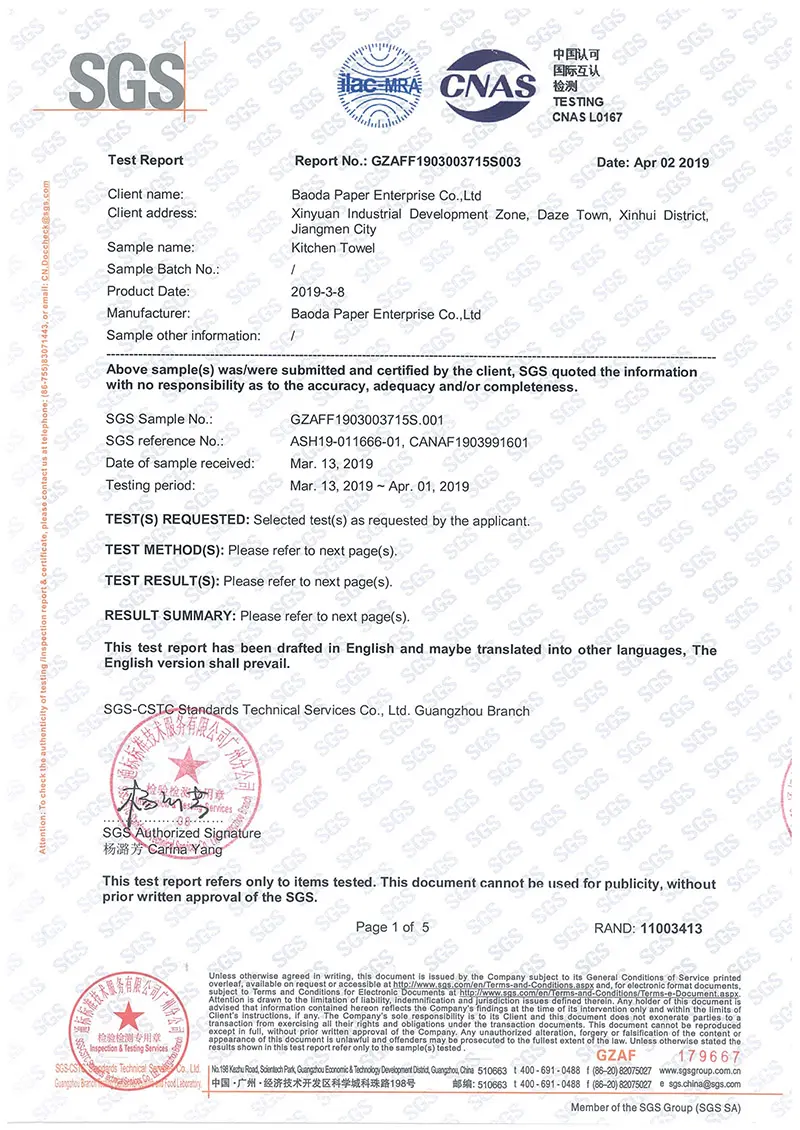
The global tissue paper industry is evolving through automation and chemical engineering. Baoda Paper is focusing on research and development initiatives aimed at improving efficiency, product softness, and structural sustainability. Our development pipeline prioritizes several key focus areas:
Traditional multi-ply rolls rely on surface embossing or pressure rollers to bond separate webs of tissue. However, this mechanical bonding can sometimes separate under high tensile stress. We are expanding our micro-dot water-soluble adhesive lamination lines. This technology bonds plies together using food-grade, biodegradable adhesive dots, yielding stronger, softer tissues that do not delaminate when pulled from modern dispensers.
To support green shipping initiatives, we are expanding our coreless jumbo roll production lines. Coreless rolls eliminate the inner cardboard core entirely, allowing for 15% to 20% more tissue to be wound into the same physical outer diameter. This significantly reduces waste at the point of use and lowers unit packaging costs, aligning with zero-waste corporate mandates.
Embossing patterns typically require moisture adjustment in the paper web to lock the fiber shapes. Our engineering team is testing dry thermo-embossing technologies that form clean, deep patterns without requiring water spray. This saves thousands of liters of process water daily, lowering our overall environmental impact and reducing energy consumption during the post-emboss drying stage.
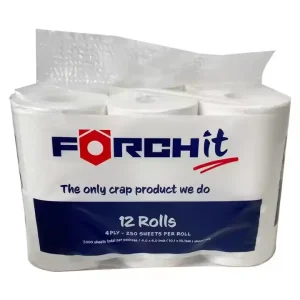
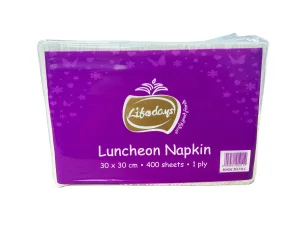
 BAODA PAPER