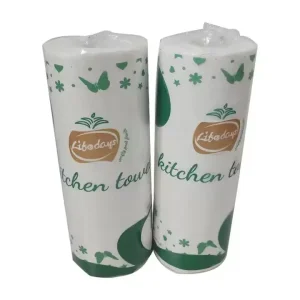
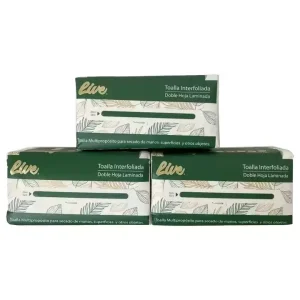
Explore our high-performance hygiene products engineered to support modern distribution and institutional sourcing needs.
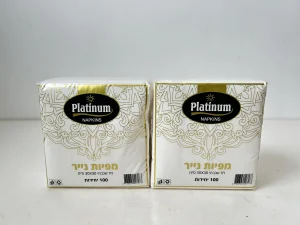
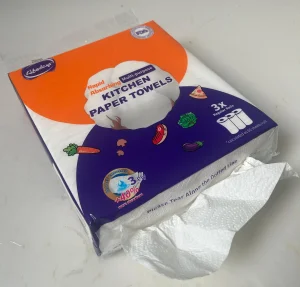
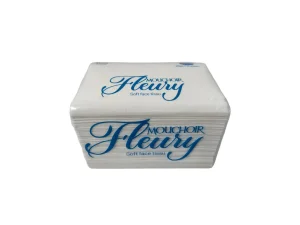
In the highly competitive commercial tissue and hygiene sector, procurement managers, retail chains, and distributors face a multifaceted challenge: delivering ultimate softness to consumers while optimizing supply chain efficiencies, pricing structures, and environmental metrics. The term "So Soft" represents more than a sensory promise; it is a technical metric defined by fiber selection, ply-bonding technology, and advanced micro-embossing practices. For global organizations sourcing millions of rolls annually, selecting the right Original Design Manufacturer (ODM) is a critical decision that influences consumer retention, brand equity, and bottom-line stability.
Modern consumers demand toilet tissues that offer a balance of velvety touch, structural integrity (wet strength), and eco-friendliness. From a manufacturing standpoint, this requires utilizing high-grade virgin wood pulps or advanced processed sustainable alternative fibers. By utilizing precision-designed embossing rollers and advanced ply-gluing equipment, modern ODM factories can lock in pockets of air between layers of tissue paper. This process drastically improves the tactile perception of softness while decreasing the density of the sheet, thereby reducing raw material consumption and minimizing environmental impact.

For over 27 remarkable years, since our inception in 1998, Baoda Paper Co., Ltd. has stood as an unwavering cornerstone of China's tissue paper industry, evolving from a domestic manufacturer into a globally recognized force. We have meticulously built our legacy on a formidable foundation of advanced manufacturing excellence and an unwavering commitment to quality. Our modern, sprawling complex, exceeding 20,000 square meters, is a testament to this commitment. Within its walls, we house state-of-the-art, imported high-speed paper machines and sophisticated automated processing lines. This powerful infrastructure is the engine behind our impressive annual production capacity of over 30,000 tons, enabling us to meet large-scale demands without compromising on the consistent quality that defines the Baoda name.
Understanding the diverse paths to market success, our business model is both robust and flexible. While we proudly market three successful self-owned brands, we are also a premier partner for clients seeking to build their own product lines. We specialize in tailored ODM (Original Design Manufacturing), OEM (Original Equipment Manufacturing), and OBM (Original Brand Manufacturing) services, working collaboratively to bring our clients' unique visions and brand identities to life with precision and expertise.
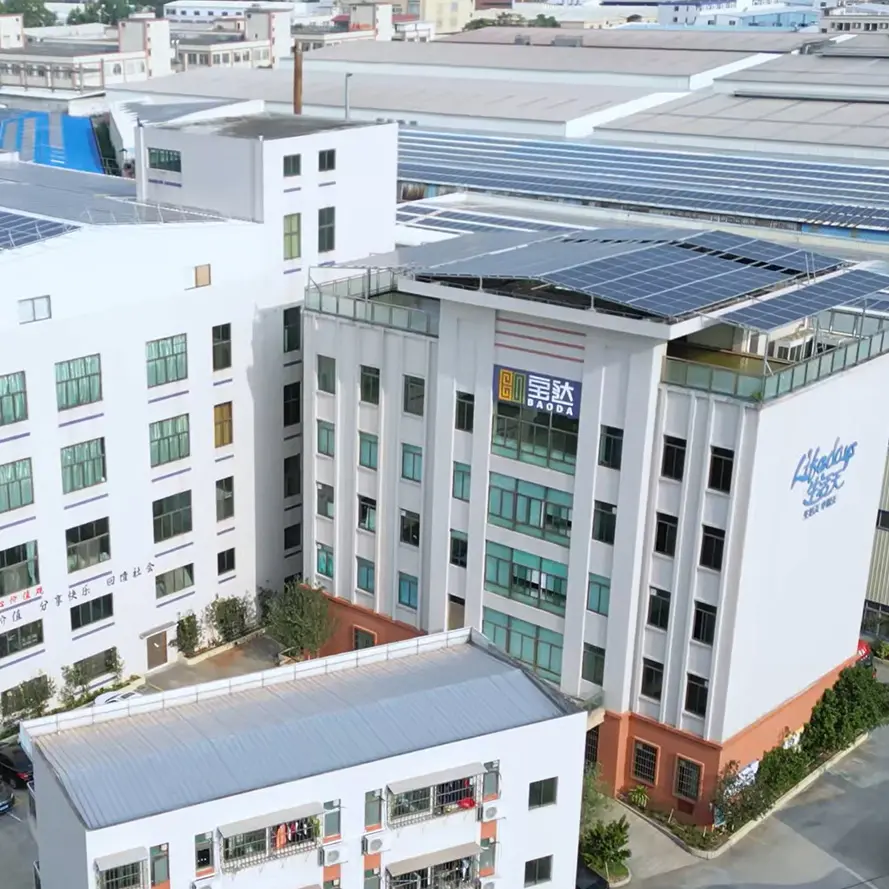
Balancing technological progress with high-standard industrial accountability and performance metrics.
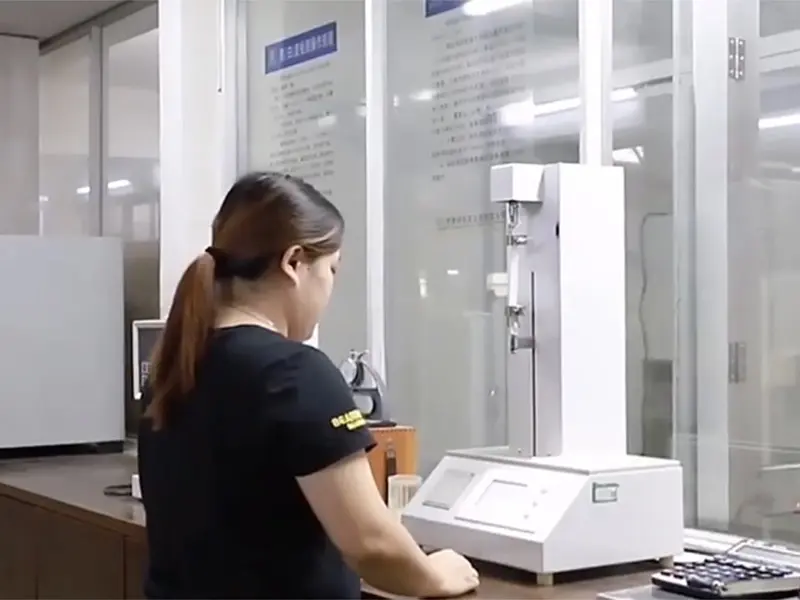
Our high-quality products and reliable service have enabled us to build a robust international distribution network spanning more than 60 countries across the Americas, Europe, Asia, and Australia, with significant presence in key markets like the United States and Australia. Every production batch undergoes tensile strength, absorption rate, and softness evaluations.
This dedication has earned us the trust of a vast network of over 10,000 global leaders in retail and distribution, including renowned giants such as Walmart and Watsons. We practice ethical labor practices, raw pulp tracing, and eco-efficient paper milling to ensure alignment with global carbon reduction initiatives.
Through decades of innovation and consistent delivery, Baoda Paper has become more than just a manufacturer; we are a symbol of quality, reliability, and partnership in the dynamic global tissue market. Our active support includes direct logistical coordination, packaging adaptation, and customs clearances.
Take a closer look at our high-speed converting machinery, material storage, and manufacturing centers.
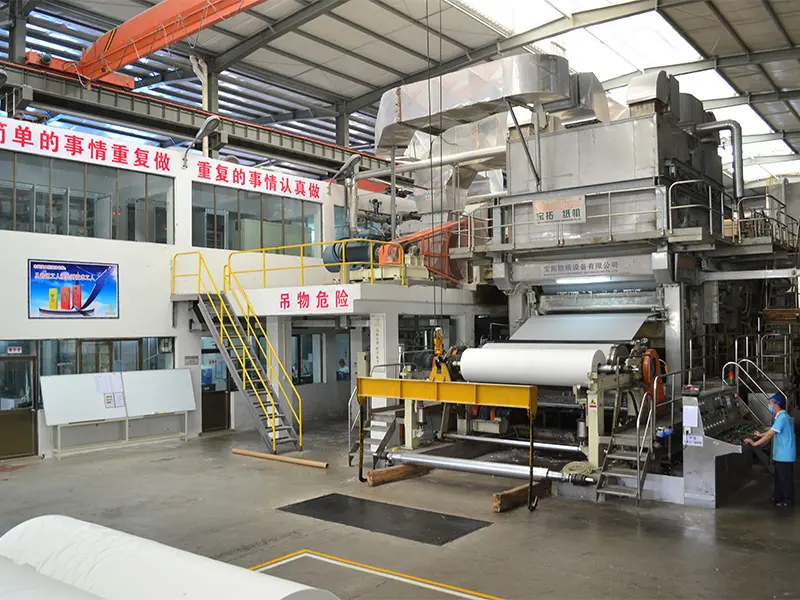
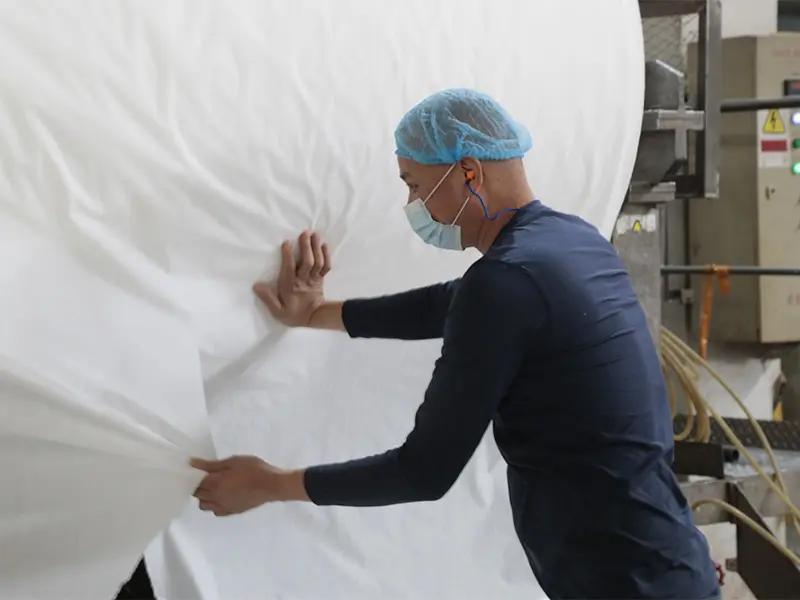
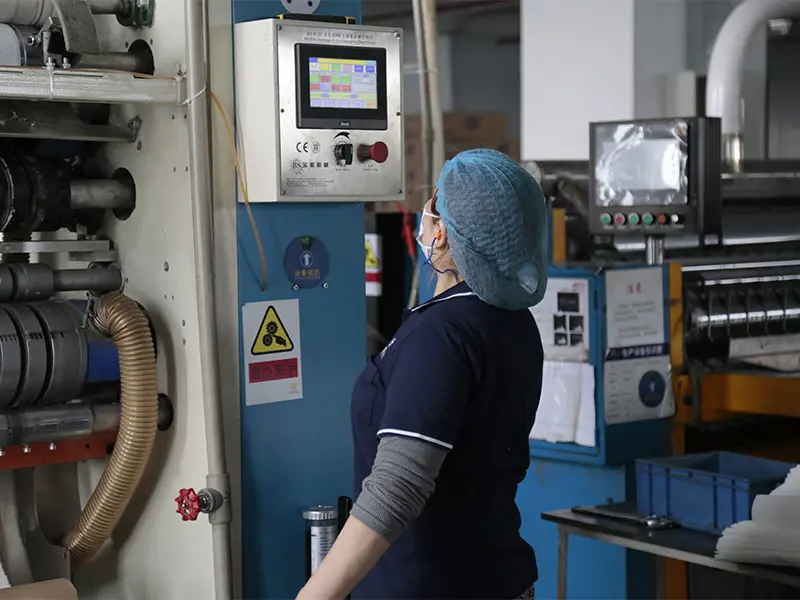
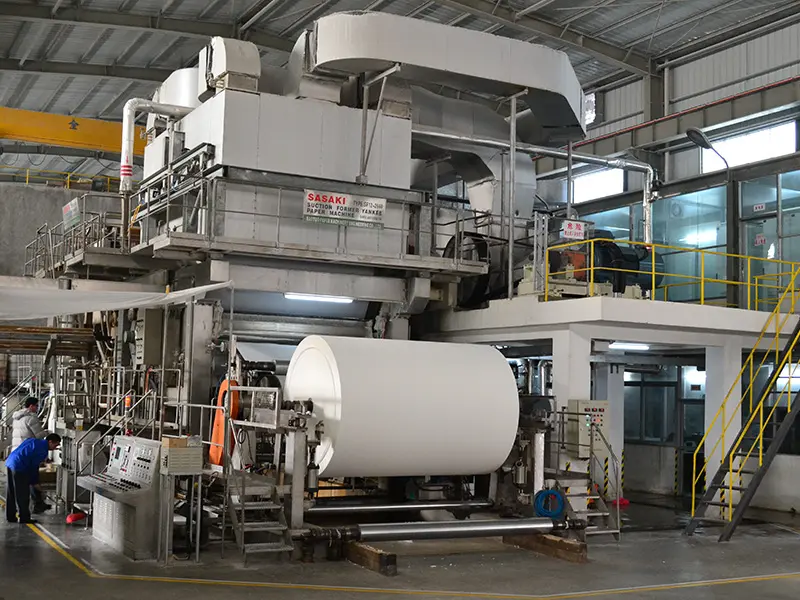
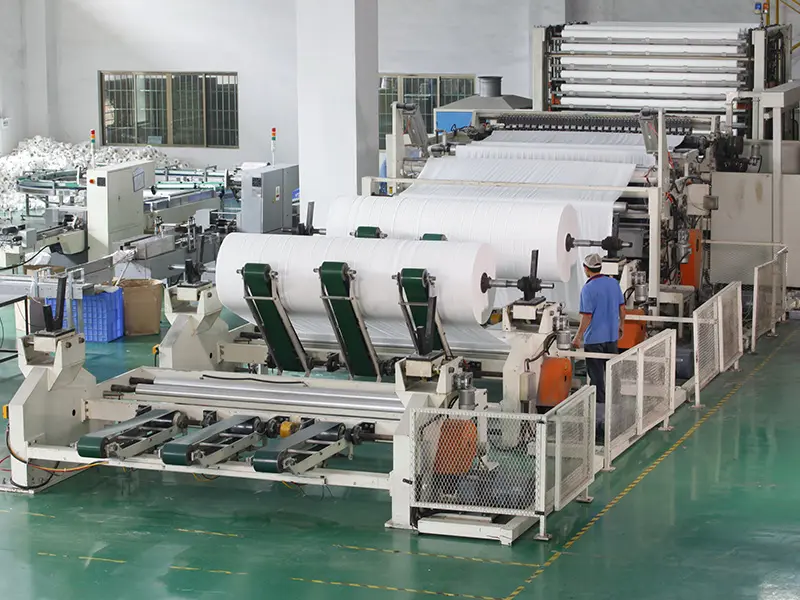
Breaking down how our ODM factories manage physical property variables to output consumer-preferred tissues.
By blending long-fiber softwood pulp (providing high tensile strength to prevent tearing) and short-fiber hardwood pulp (delivering bulk and smooth face feel), we achieve an optimal soft-to-strong ratio. Our raw pulp sourcing is strictly managed under international FSC certifications.
Using micro-creping steel blades on imported Yankee drying cylinders, we introduce thousands of microscopic waves into the paper sheet. This increases stretchability and bulks up the paper, making it incredibly pillowy and soft to the touch.
We leverage point-to-point and nested micro-embossing techniques. The dual layers are embossed separately and combined using minute applications of water-soluble glue. This traps air pockets inside the tissue matrix, yielding true "so soft" specifications.
We respect the strict chemical, sanitary, and quality standards demanded by various sovereign markets.
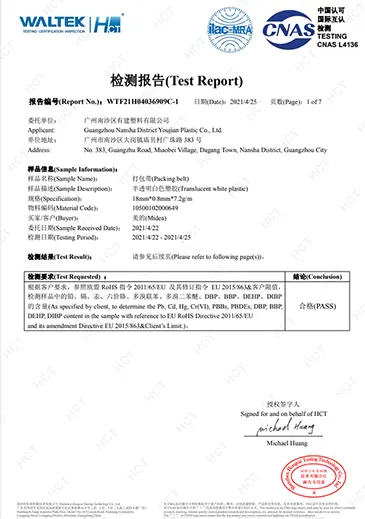
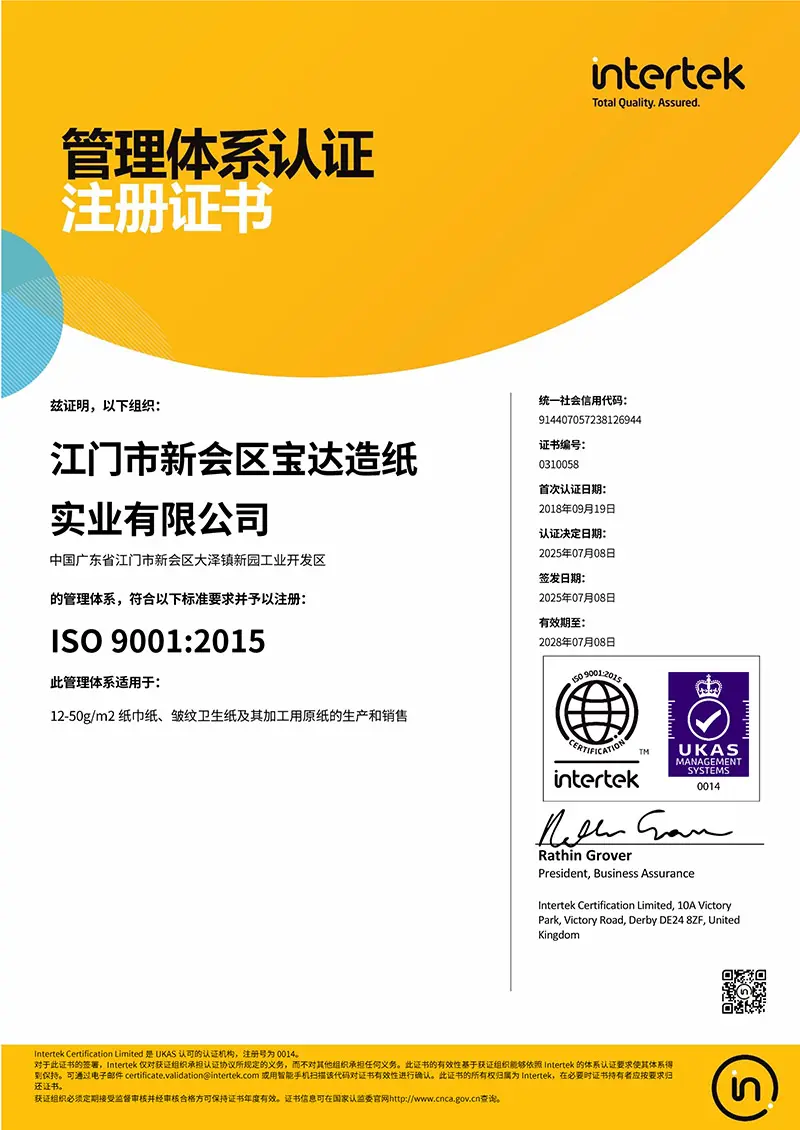
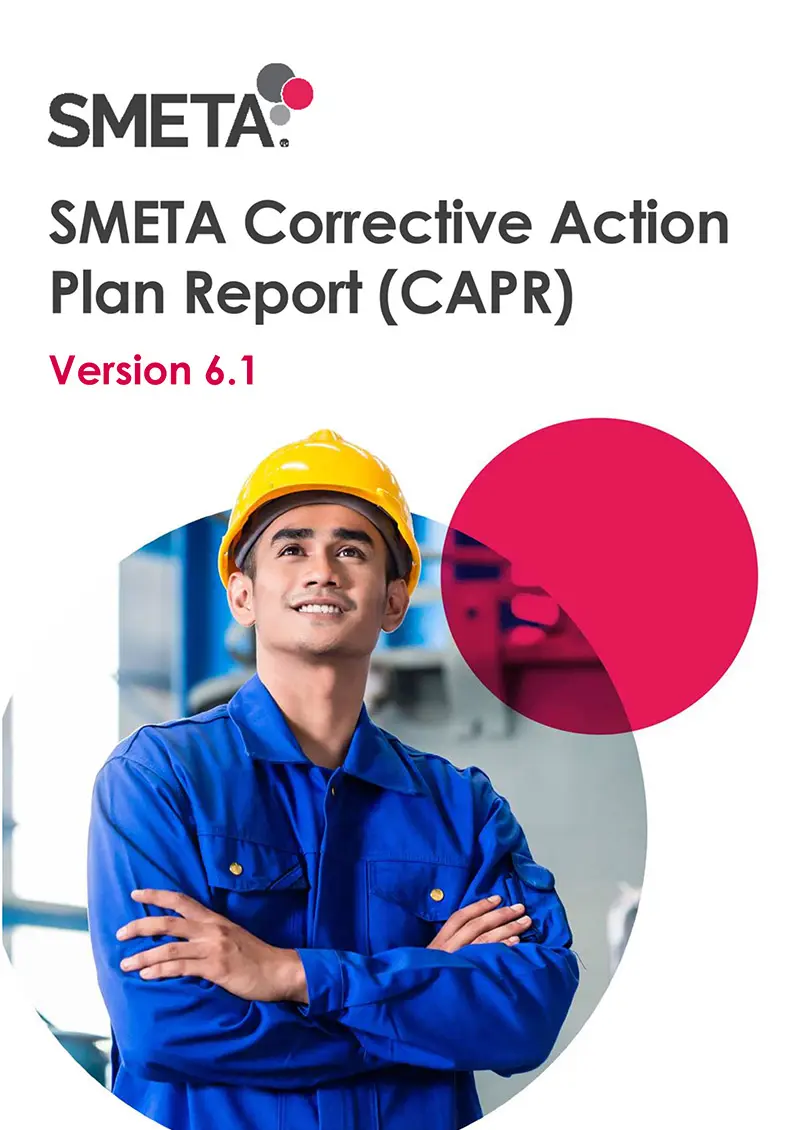
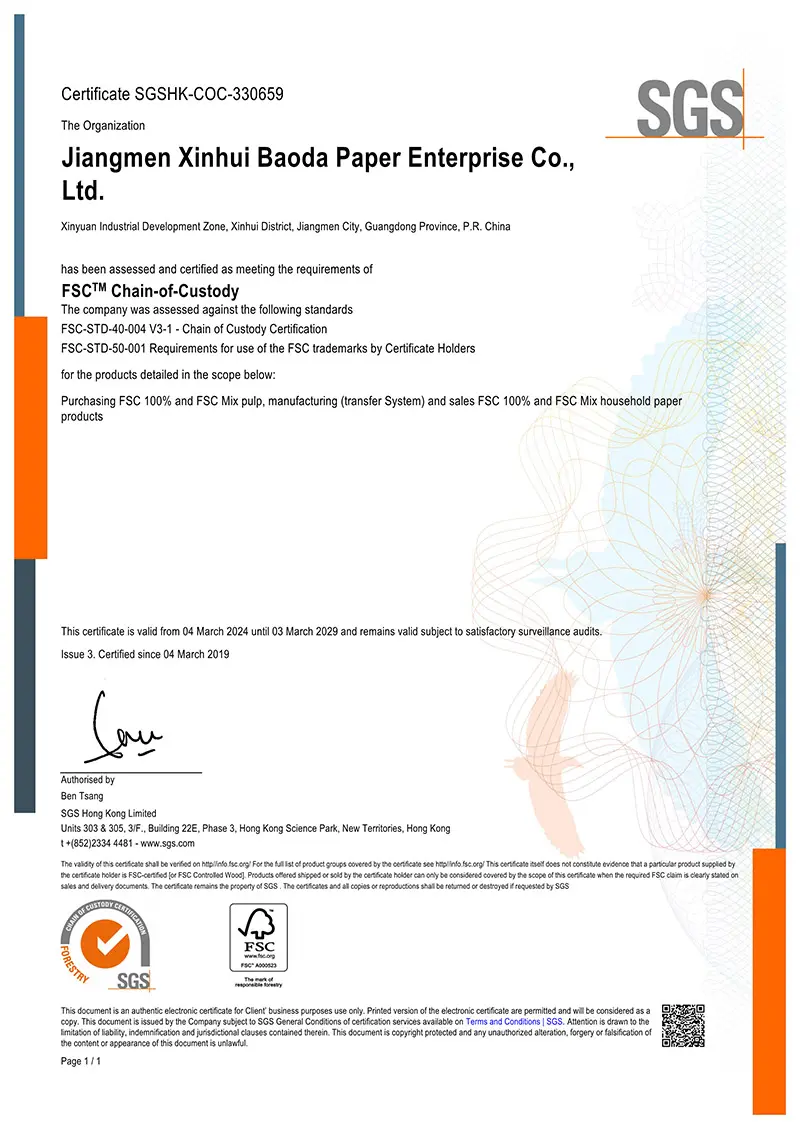
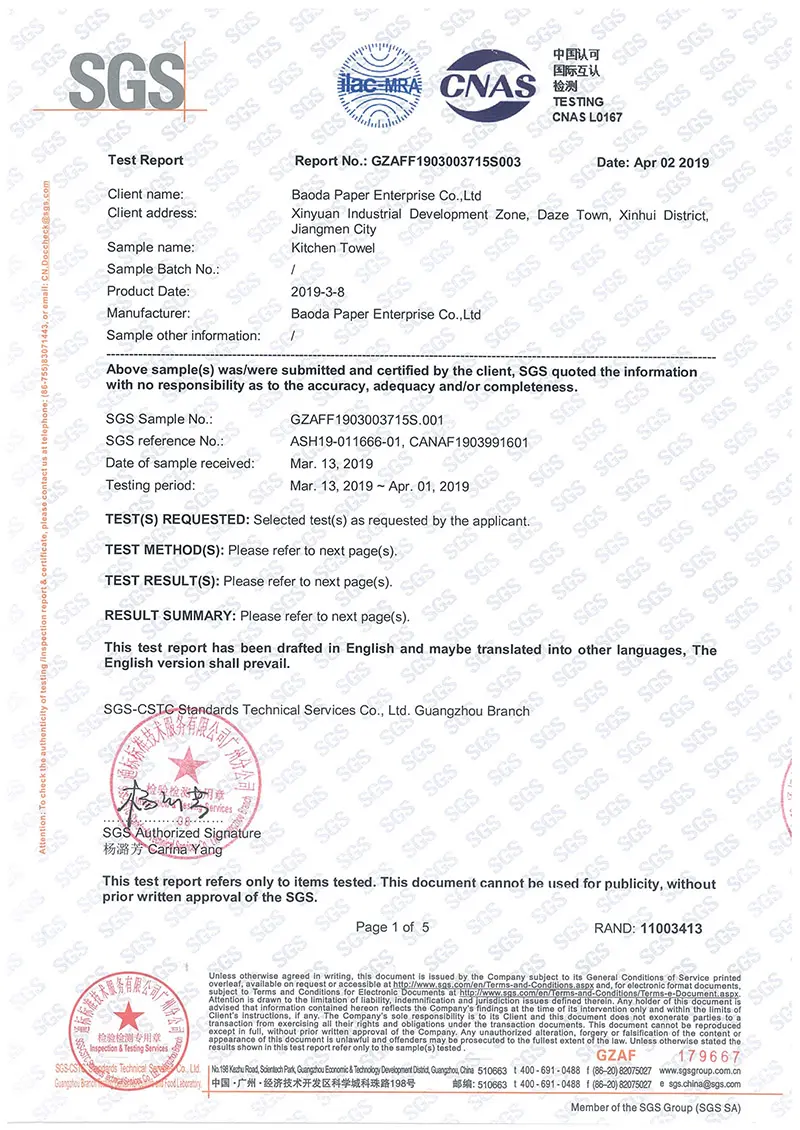
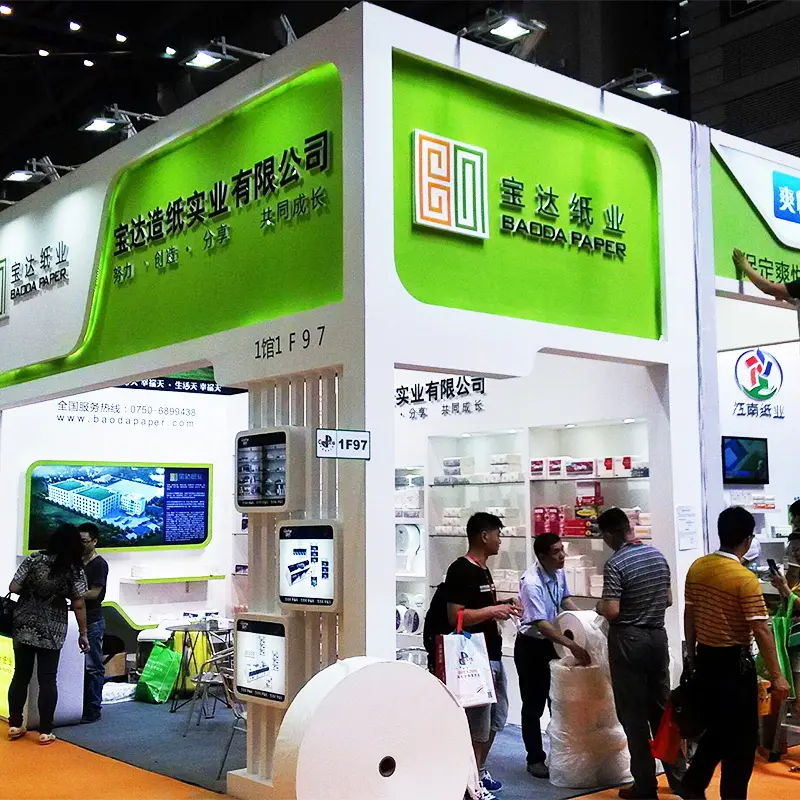
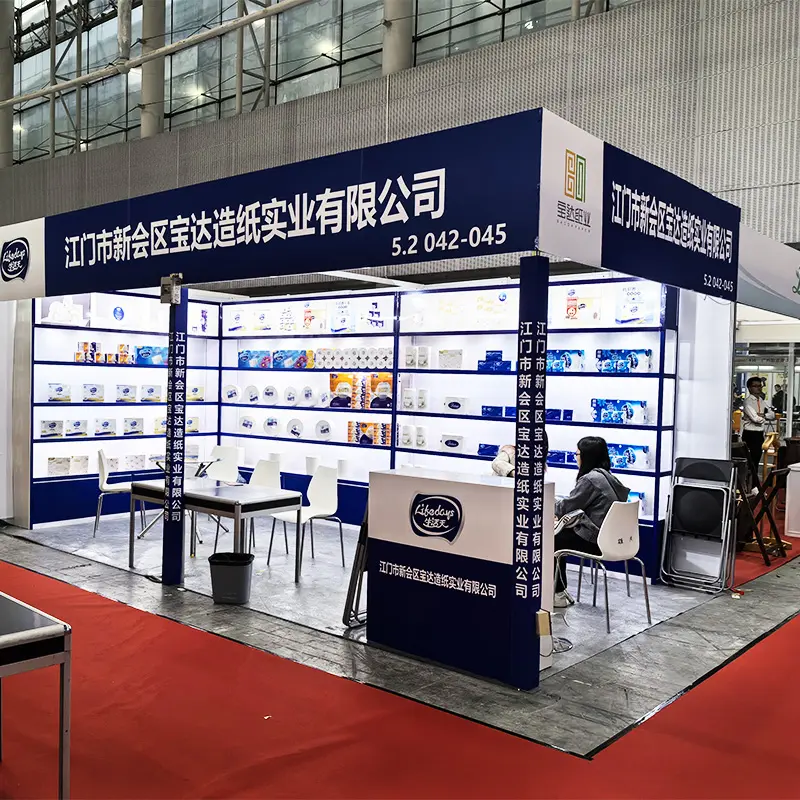
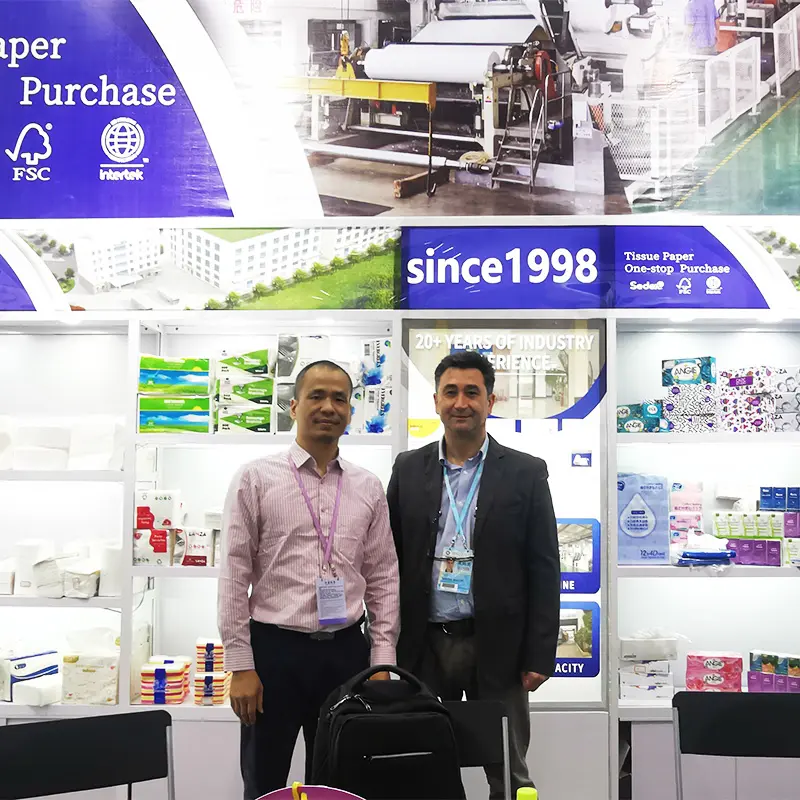
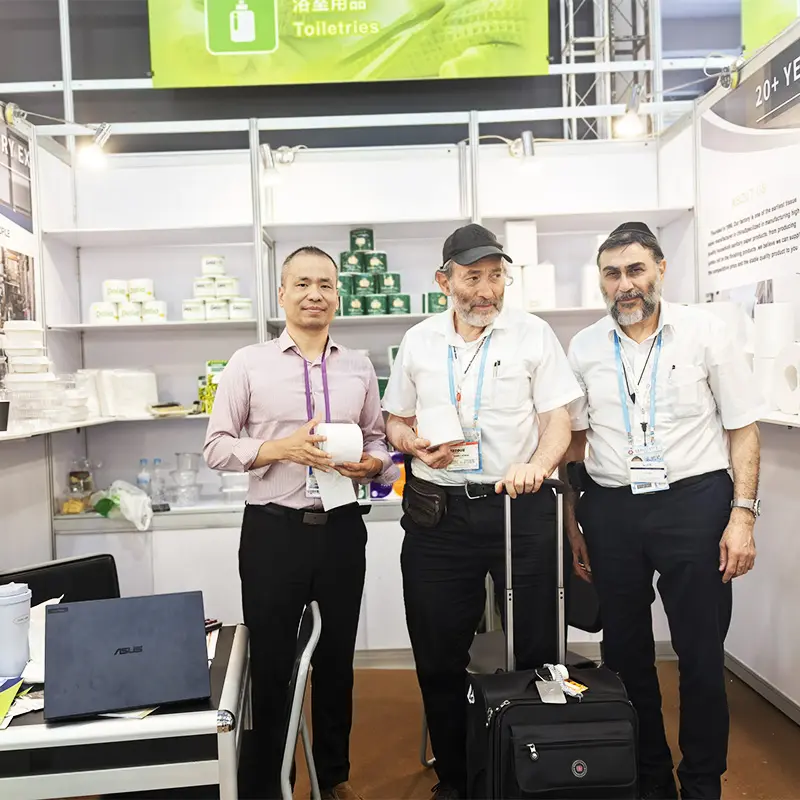
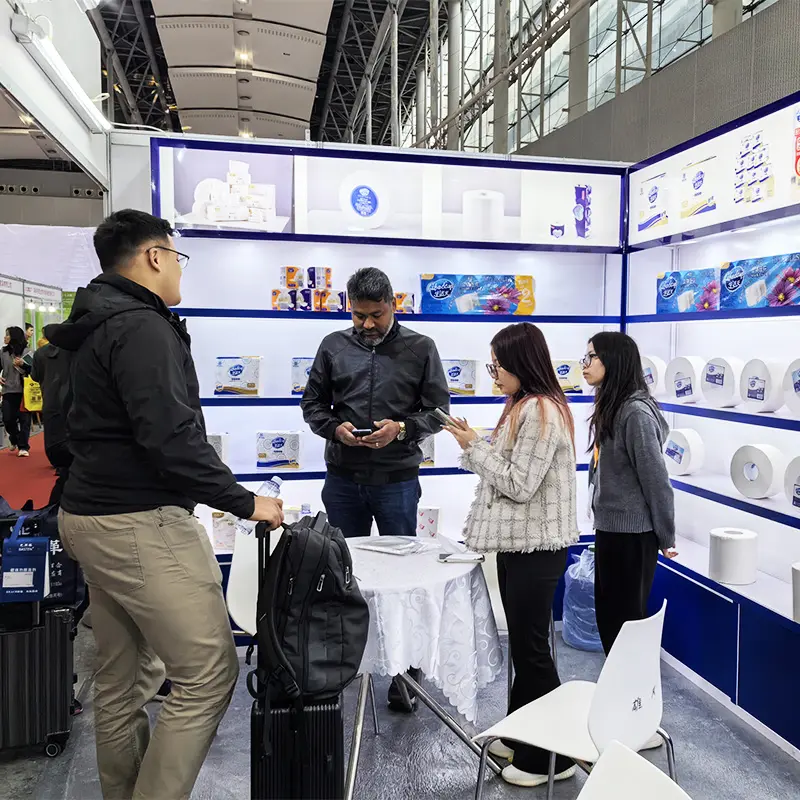
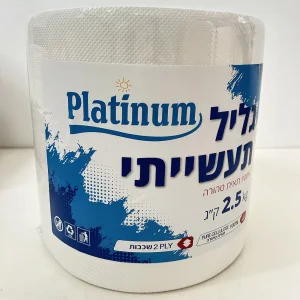
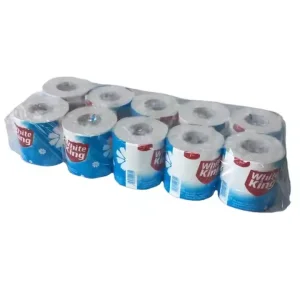
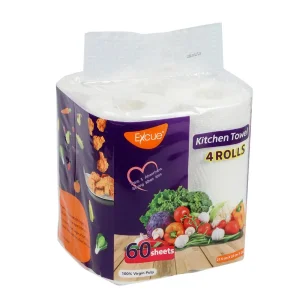
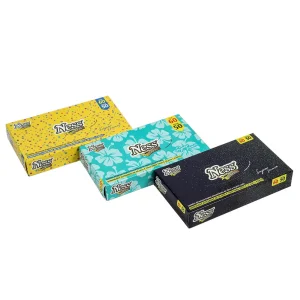
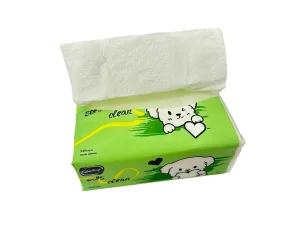
Browse through our specialized institutional and retail configurations to find the perfect match for your local markets.
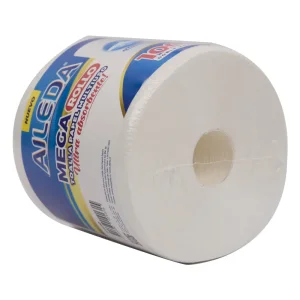
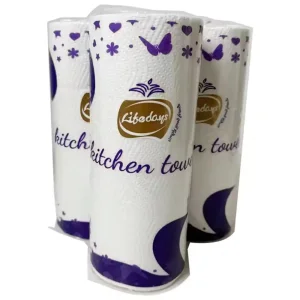
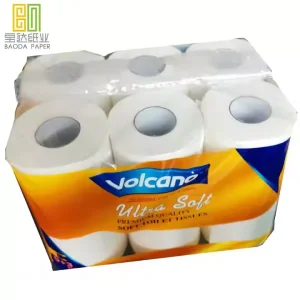
Clear, expert responses to the critical supply-chain, engineering, and manufacturing questions asked by global category managers.
1. What makes a toilet paper technically "So Soft" for retail markets?
Softness is achieved through a controlled balance of fibers and physical treatment. High-quality virgin hardwood pulp (like eucalyptus) is blended with longer softwood fibers to build a sheet with minimum roughness. During manufacturing, the creping process uses doctor blades on Yankee cylinders to create microscopic waves in the sheet. Advanced ODM factories also use customized embossing rollers to introduce cushion air pockets between plies, resulting in a plush, thick touch.
2. How does Baoda support ODM customization for global retail chains?
Baoda specializes in tailored ODM, OEM, and OBM services. We offer customization of grammage (from 13 to 22 GSM per ply), roll height, roll diameter, sheet count, embossing patterns, and core printing. Our technical packaging department works directly with distributors to draft artwork, choose barrier materials, and deliver shelf-ready packaging (SRP) that fits international retail requirements.
3. What is Baoda's annual output capability and facility size?
Our modern, sprawling manufacturing complex exceeds 20,000 square meters. Equipped with high-speed paper machines and automated converting lines, we maintain an annual production capacity of over 30,000 tons. This large-scale infrastructure allows us to fulfill bulk orders for global partners like Walmart and Watsons without compromising on lead times.
4. Do you support environmentally sustainable pulp options?
Yes, environmental responsibility is at the core of our operations. We offer FSC-certified wood pulp sourced from responsibly managed forests, assuring compliance with European and North American forestry standards. In addition, we manufacture eco-friendly recycled and mixed pulps, processing them with chemical-free whitening techniques to keep the tissues gentle on sensitive skin.
5. What regions are served by your distribution network?
Baoda has built an international distribution network spanning more than 60 countries across the Americas, Europe, Asia, and Australia. We have a robust, long-term presence in key markets such as the United States, Canada, and Australia, providing local compliance assurance, customs handling support, and bulk logistics optimization.
6. How does your factory handle quality control across large orders?
Every step of production, from raw wood pulp hydration to roll winding and packaging, is monitored by our in-house lab. We trace raw pulp batches, run real-time tensile-strength tests, and ensure embossing consistency. This strict quality control framework has earned us ISO certifications and the trust of major retailers worldwide.
7. Can we customize the ply thickness (2-ply vs. 3-ply vs. 4-ply)?
Absolutely. We manufacture multi-ply configurations to match different consumer standards. Our 3-ply and 4-ply variations use advanced lamination technology to secure the sheets together, providing superior absorption and wet-strength. For cost-sensitive markets, our 2-ply and single-ply variations utilize micro-embossing to deliver optimal softness within tighter budget margins.
8. What is the typical lead time for an ODM production run?
A standard initial ODM production run takes approximately 25 to 30 days. This includes custom packaging plate preparation, manufacturing, and quality testing. Repeat orders can often be expedited and shipped within 15 to 20 days, thanks to our automated lines and pre-arranged raw material supply lines.
 BAODA PAPER