 BAODA PAPER
📑 Industry White Paper: The Global Evolution of Disposable Napkin Manufacturing
The global disposable napkins market has transitioned from a basic hygiene commodity to a sophisticated segment of the fast-moving consumer goods (FMCG) industry. As of 2024, the demand for high-quality, customized, and sustainable tissue products is at an all-time high, driven by the booming HORECA (Hotel, Restaurant, and Cafe) sector and increasing consumer hygiene awareness.
Market Dynamics
The global tissue paper market is projected to reach USD 100 billion by 2030. Strategic sourcing via ODM and OEM channels is now the primary growth engine for global retailers.
Efficiency Frontier
China's factory efficiency, exemplified by Baoda Paper, utilizes automated high-speed machines to ensure consistency and cost-competitiveness.
Sustainability
Shift toward 100% virgin wood pulp and FSC-certified materials to meet ESG requirements from global enterprises like Walmart and Watsons.
1. The Strategic Advantage of China-Based ODM Manufacturing
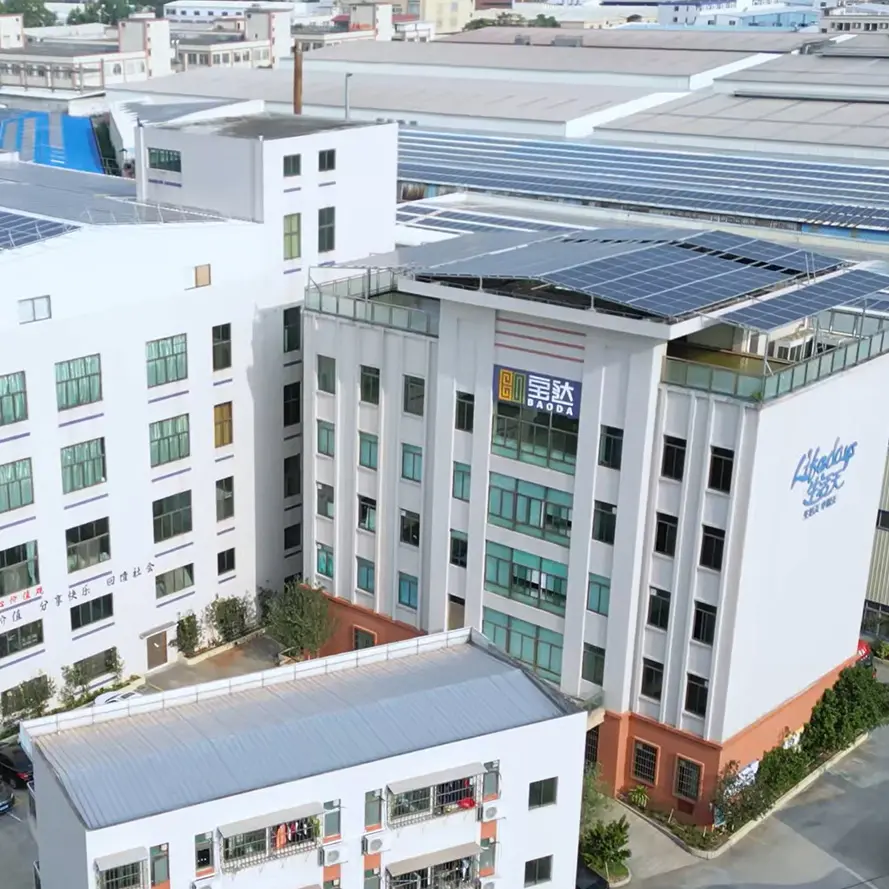
Why do global leaders choose China for their tissue supplies? It isn't just about price; it's about technological depth and supply chain resilience. At Baoda Paper, we operate a 20,000 sqm complex with an annual capacity of 30,000+ tons. Our 27 years of experience since 1998 allow us to optimize the entire lifecycle of napkin production—from raw pulp procurement to high-definition embossing and custom packaging.
2. Localization and Application Scenarios
Understanding "Search Intent" means understanding how different regions use these products:
- North America & Europe: High demand for 2-ply and 3-ply 1/8 fold napkins for fine dining and corporate events. Focus is on high GSM (grams per square meter) and softness.
- Asia-Pacific: Preference for pocket tissues and single-layer napkins in high-traffic quick-service restaurants (QSR).
- Industrial Use: Heavy-duty embossed hand roll tissues for food processing units and sanitation-critical environments.
3. Technological Innovation: The AI & Automation Edge
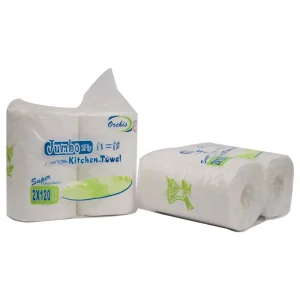
Modern tissue manufacturing is no longer a labor-intensive process. It is a data-driven science. By integrating automated processing lines, we reduce human error, ensuring that every batch of white 1/8 fold napkins or kitchen towels meets the exact tensile strength and absorption rate required by international standards.

Fig 1: Baoda Paper Advanced Manufacturing Facility