Our curated flagship line of high-ply personal care and hygiene papers, engineered for maximum absorption, structural integrity, and soft tactile feel.
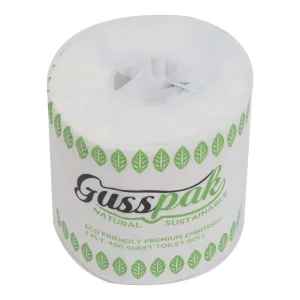
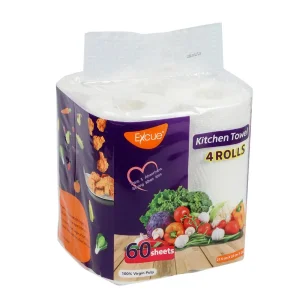
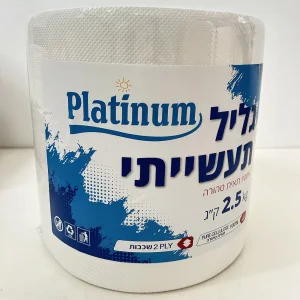
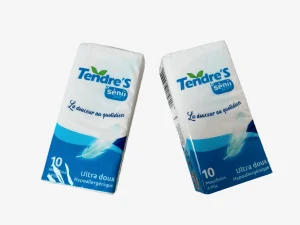
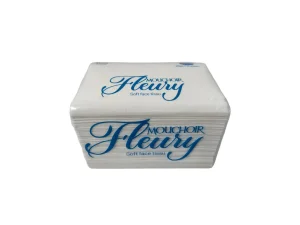
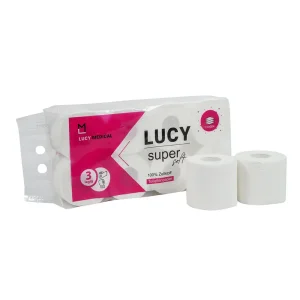
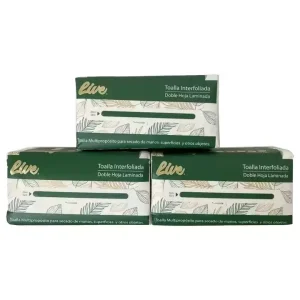
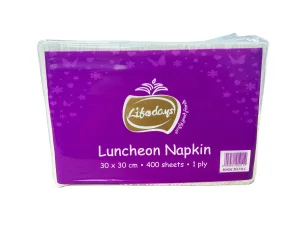
For modern commercial procurement specialists and logistics managers, selecting a toilet tissue or paper towel supplier is no longer a simple discussion about price per case. The global market is transitioning rapidly towards value engineering, where the physical performance parameters of paper fibers, embossing technologies, and layer configurations—specifically the "ply count"—directly govern user satisfaction and bottom-line economic efficiency.
In B2B applications, ply does not simply designate the quantity of paper layers. It acts as a structural multiplier of tensile strength, fluid retention capability, and softness. Multiple-ply tissue products are manufactured by feeding individual webs of paper into complex converting lines, where they are fused together using either mechanical pressure embossing, chemical glue lamination, or micro-dots of heat-activated adhesives. Understanding how different plies perform under mechanical load is crucial for buyers who wish to balance consumption rates and prevent plumbing blocks or costly washroom maintenance issues.

Key shifts driving volume, quality benchmarks, and ecological compliance in the global paper trade.
Global environmental mandates in the European Union (EUDR regulations) and North America require traceable supply chains. FSC-certified virgin wood pulp and high-grade agricultural waste pulp (bamboo, sugarcane bagasse) are shifting from premium options to statutory requirements for enterprise buyers.
Airports, luxury hotels, and Tier-A commercial offices are phasing out standard single-ply rolls due to negative tenant feedback and higher waste factors. High-gsm 2-ply and 3-ply micro-embossed configurations have become the new standard for HORECA and corporate infrastructure.
Modern paper machines leverage advanced Yankee dryers to control crepe ratios, which dictate softness and elongation. Point-to-point glue lamination adds dead-air space between plies, resulting in a 2-ply sheet that absorbs up to 140% more moisture than traditional non-glued variants.
An analytical breakdown of structural performance metrics for commercial paper sourcing.
| Ply Configuration | Average Grammage (GSM) | Tensile Strength (MD/CD) | Water Absorption Index | Target Localized Setting | Dispenser Compatibility |
|---|---|---|---|---|---|
| 1-Ply Standard | 12 - 14 gsm | Low / Medium | 2.0 g/g | Public transport stations, stadiums | Standard core roll dispensers |
| 2-Ply Premium | 28 - 32 gsm (combined) | High | 4.5 g/g | Offices, retail, premium commercial | Jumbo Roll (JRT) & standard core |
| 3-Ply Ultra-Soft | 42 - 45 gsm (combined) | Very High | 6.0 g/g | Luxury hospitality, boutique hotels | Standard domestic rolls, interfold |
| 4-Ply Super-Premium | 54 - 60 gsm (combined) | Exceptional | 7.5 g/g | High-end residential, private clinics | Custom designer retail dispensers |
How advanced automation and strategic scale at Baoda Paper safeguard B2B supply lines.

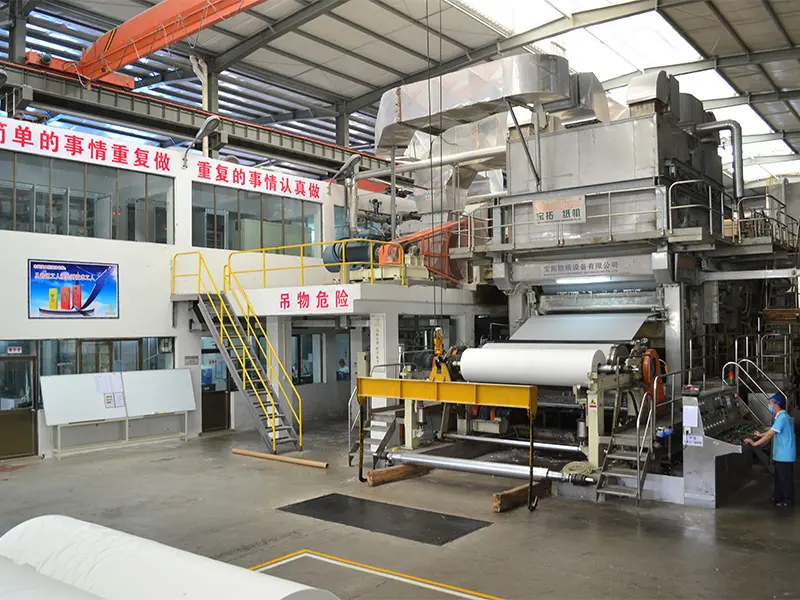
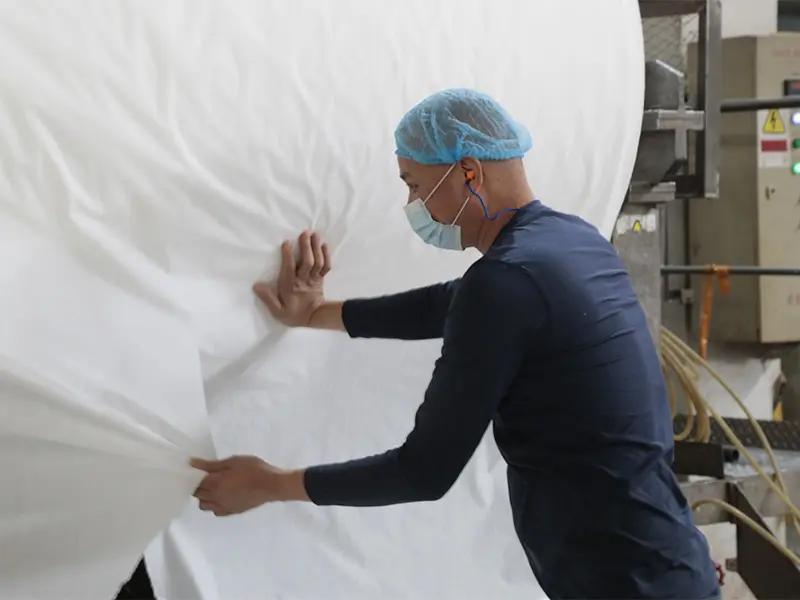
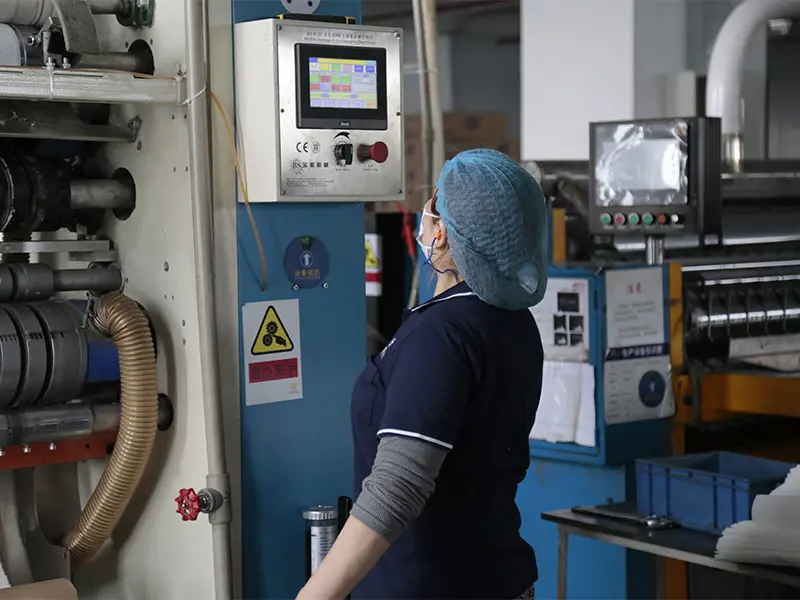
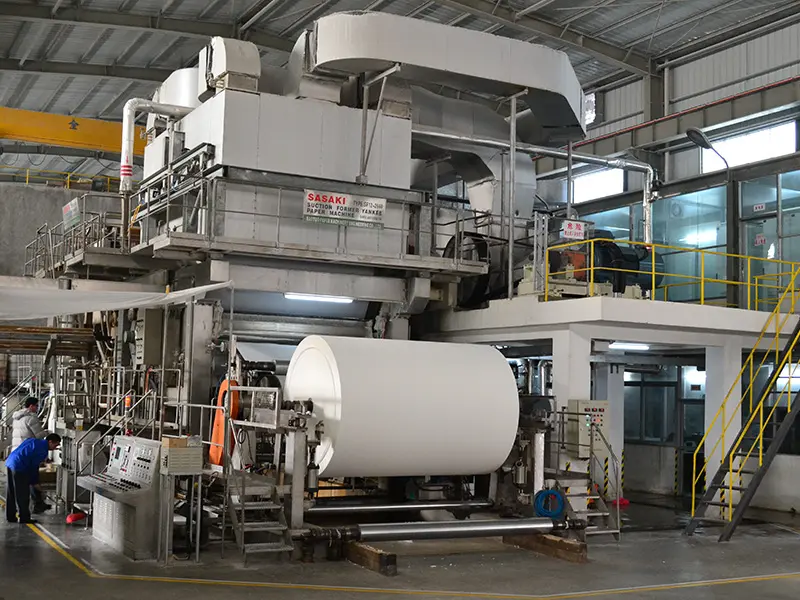
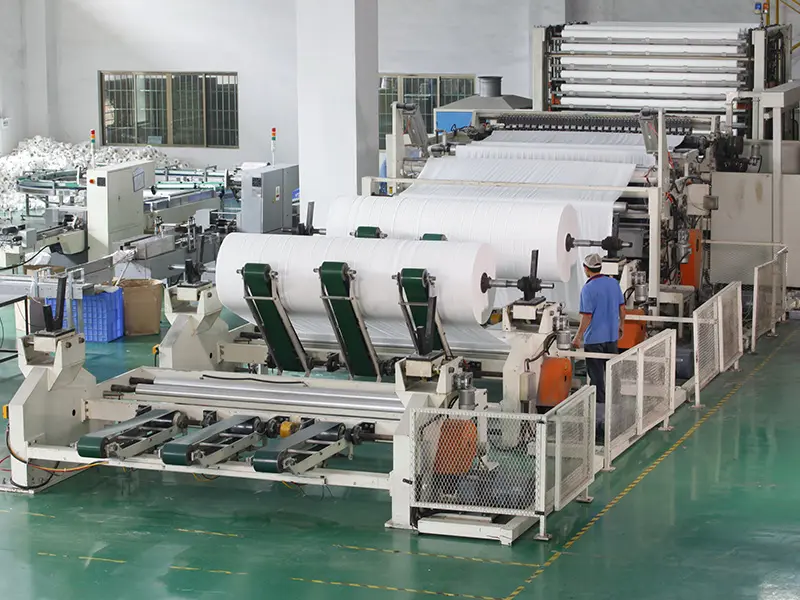
Operating a modern paper mill requires strict control over raw material input, energy consumption, and high-speed mechanical output. At Baoda Paper, we have integrated Factory 4.0 paradigms to achieve a highly responsive manufacturing model. In our 20,000-square-meter facility, automation runs from pulp de-baling to robotic packaging lines.
By using imported high-speed Crescent Former paper machines, we run continuously with high energy efficiency, enabling an annual production capacity exceeding 30,000 metric tons. This operational scale gives our global buyers a competitive advantage in cost-per-sheet metrics while providing the supply chain resilience needed to buffer shipping volatility across over 60 countries.
How localized market regulations and infrastructure dictate specific ply and size requirements.
Requires wider rolls (typically 4.5 in / 114 mm) and a strong preference for high-caliper 2-ply or 3-ply structures. Consumer sentiment demands low linting, white appearance, and strong emboss patterns. Eco-initiatives demand FSC certificates.
Focuses heavily on sustainability and waste reduction. Recycled fibers or mix-certified bamboo pulps are standard. Preference leans towards compact roll designs with high sheet counts (400+ sheets per roll) and tight core structures for mechanical dispensers.
Requires soft-pack tissues and travel companion formats (pocket tissues). High preference for double-length rolls (double rolls) that halve packaging plastic waste. Strength parameters are critical to withstand double-length tension.
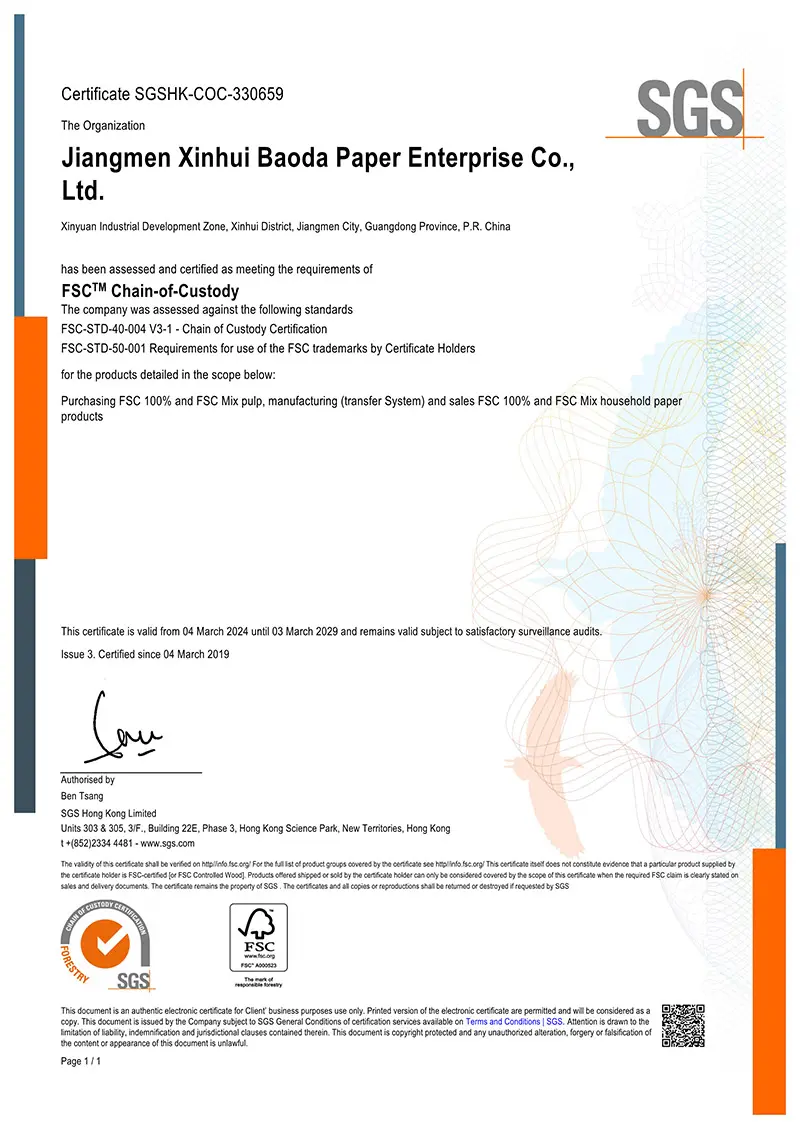
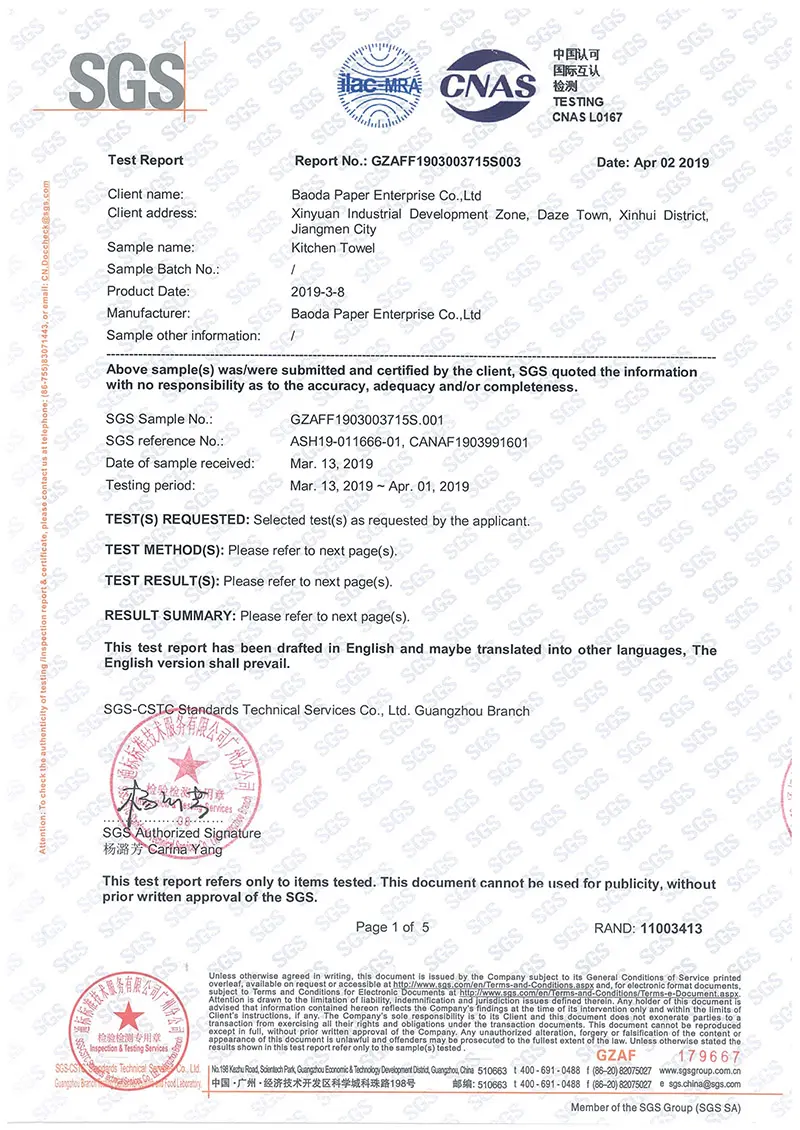
Authorized compliance that unlocks shelves in global retail chains, including Walmart, Watsons, and Costco.
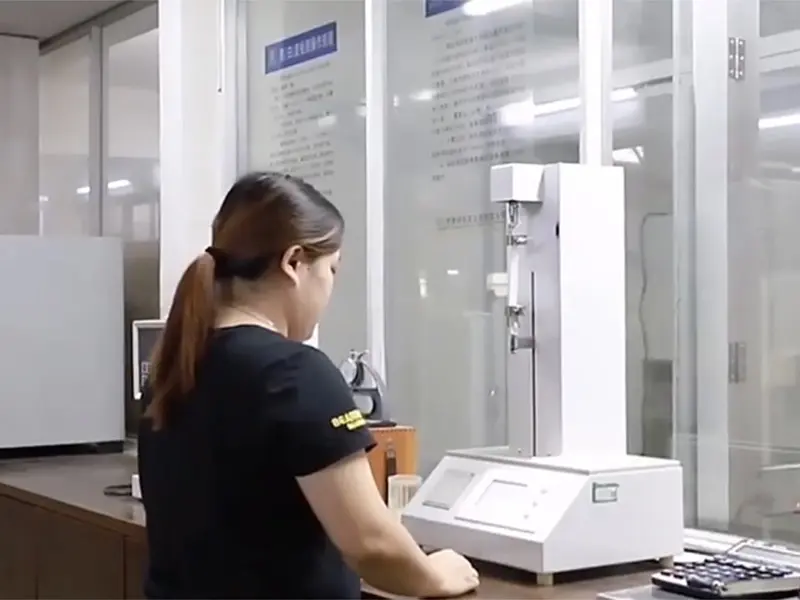
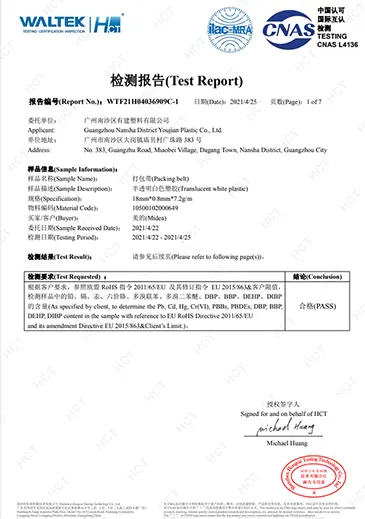
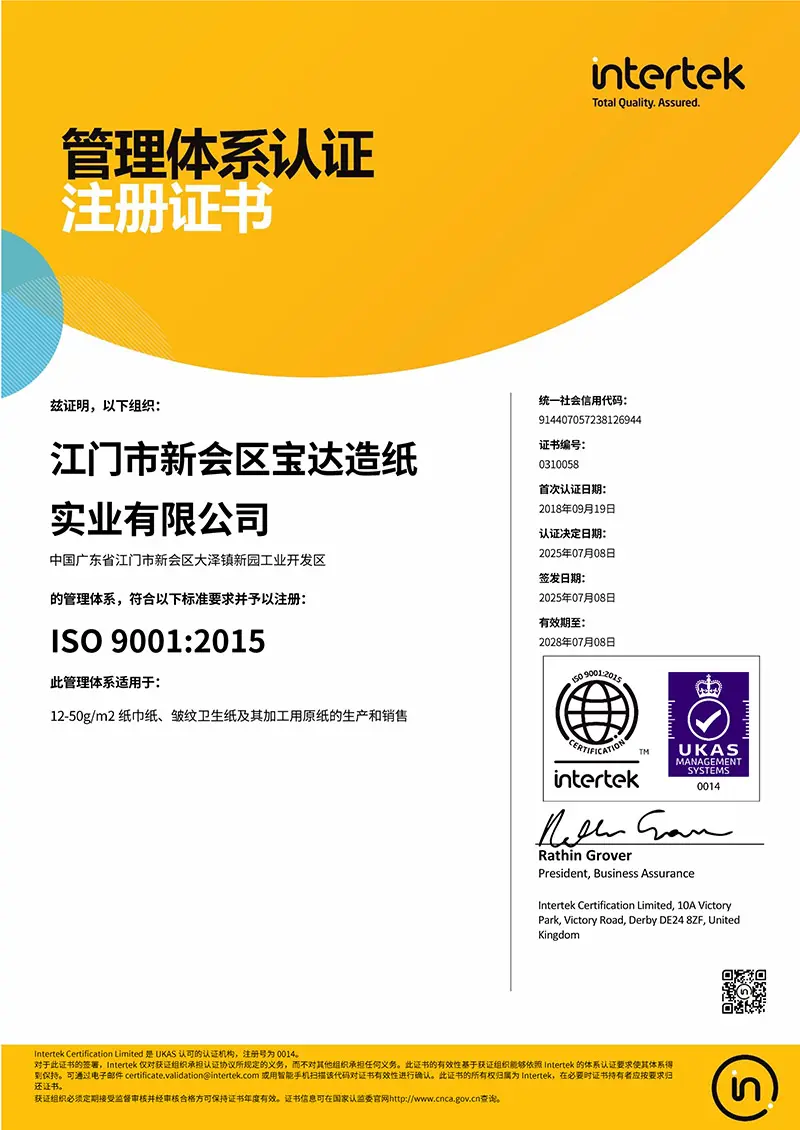
High-quality paper products must be backed by transparent quality control certifications. Our mills follow a complete Quality Management System, verifying fiber consistency, microbial safety, and structural integrity at each production phase.
With verified certifications, our products comply with strict international distribution rules, allowing seamless customs clearance and instant shelf integration for global retailers. Our supply chain is designed to minimize risk while delivering consistent, high-standard paper products to our global partners.

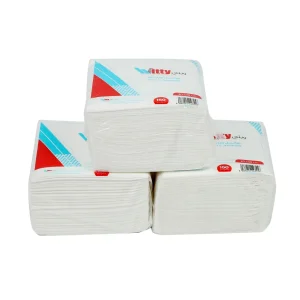
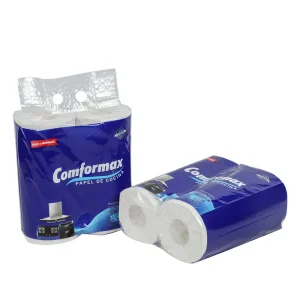
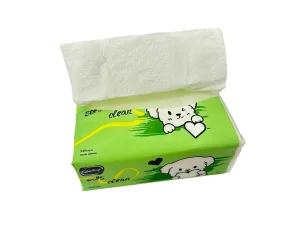
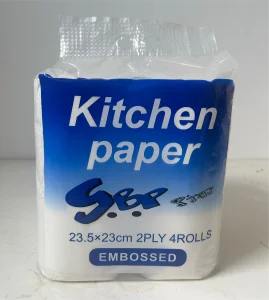
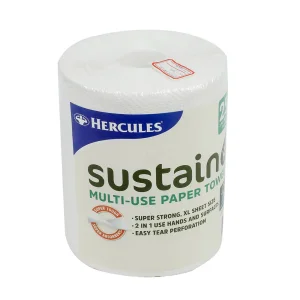
Browse our advanced kitchen rolls, customized tissue papers, and heavy-duty wiping products optimized for global import.
Expert answers to common technical, logistics, and quality assurance questions from corporate procurement officers.
Virgin pulp is harvested directly from harvested wood fibers. It offers longer fiber lengths, yielding higher tensile strength, less dust, and a softer feel. Recycled paper is made from de-inked secondary fibers, which have shorter fibers and lower overall tensile strength, though it offers environmental benefits.
Glue-laminated sheets are designed to hold together during use, but they dissolve quickly when agitated in plumbing systems. Our formulation uses water-soluble adhesives that break down in toilet systems, preventing blocks while maintaining wet-strength during use.
We offer customized cores, plastic wrap designs, cardboard boxes, and paper wrap options. From single rolls to double-length bulk packs, we customize outer bags and cartons to meet regional retail distribution needs.
For standard configurations, production lead times run between 15 to 25 days following deposit confirmation. Custom OEM designs requiring new plates or private packaging may require an additional 7 to 10 days for initial setups.
 BAODA PAPER