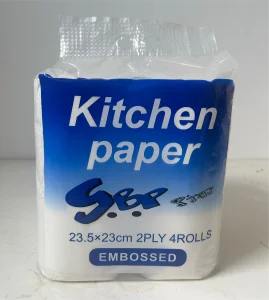
The global tissue paper industry is undergoing a structural transition driven by shifting demographic patterns, elevated hygiene frameworks in commercial sectors, and rising demands for environmental accountability. Industrial raw materials, ranging from 100% virgin wood pulp to post-consumer recycled fibers, dictate the tensile strength, absorbency metrics, and overall user-experience parameters. Today's commercial markets require custom fibers featuring high creping ratios, multi-ply configurations, and advanced hot-air drying (TAD) processes.
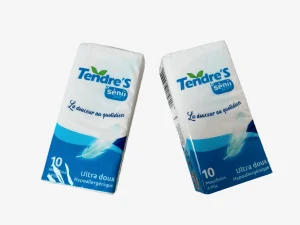
Across regions, consumer expectations show distinct localized preferences. In North America and Europe, high-GSM (Grams per Square Meter), ultra-soft multi-ply bathroom tissues dominate market share. Concurrently, developing markets across Asia-Pacific and Latin America are exhibiting significant compound annual growth rates (CAGR) in compact format disposable pocket tissues and specialized kitchen paper rolls. Balancing mechanical integrity with rapid disintegration in standard waste systems remains the benchmark of advanced engineering in the paper conversion industry.
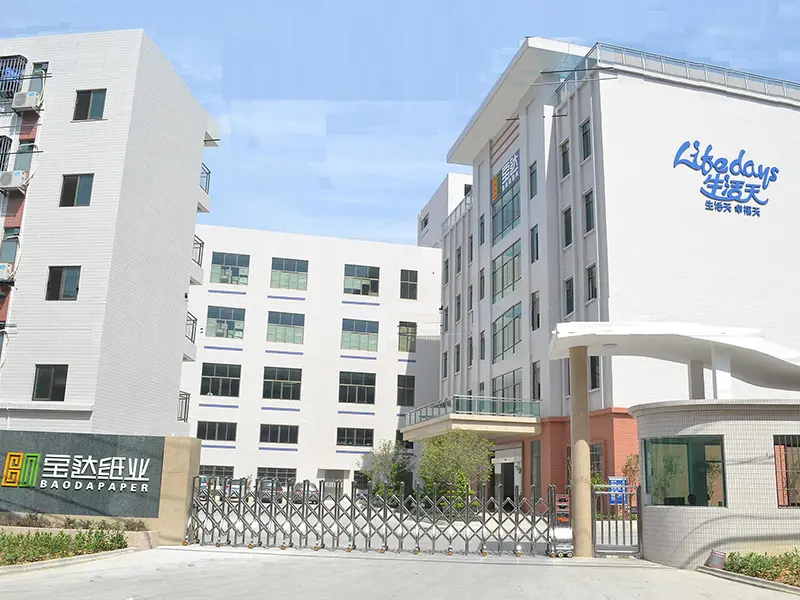
For over 27 remarkable years, since our inception in 1998, Baoda Paper Co., Ltd. has stood as an unwavering cornerstone of China's tissue paper industry, evolving from a local manufacturer into a globally recognized force. We have built our legacy on a foundation of manufacturing excellence and a commitment to quality.
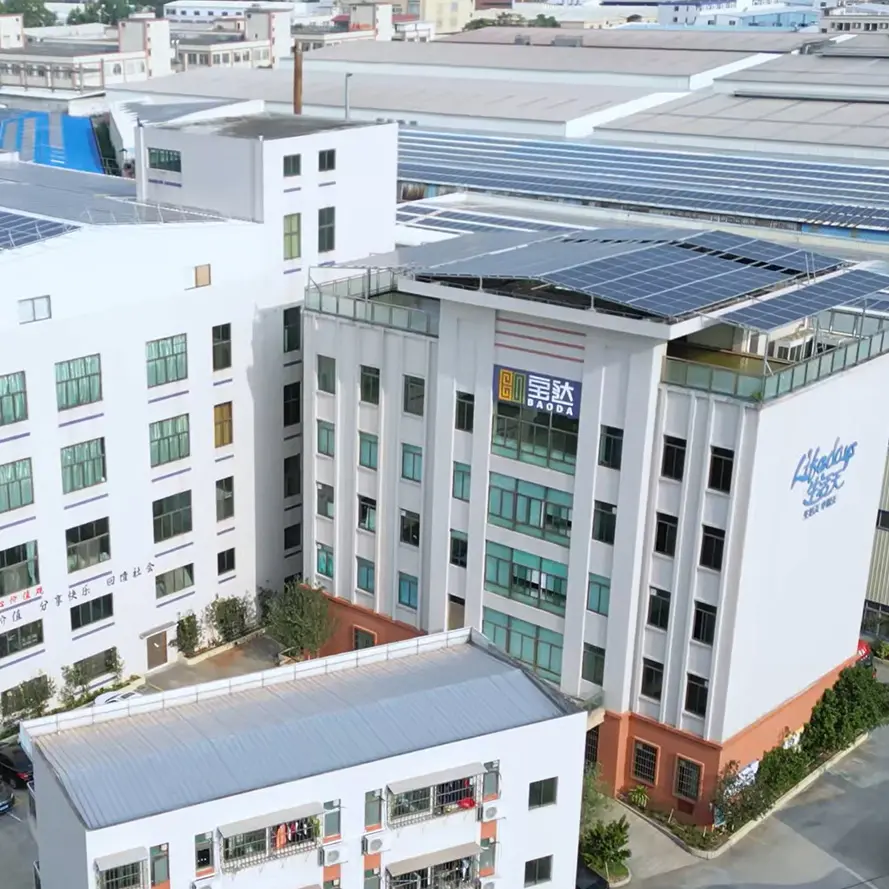
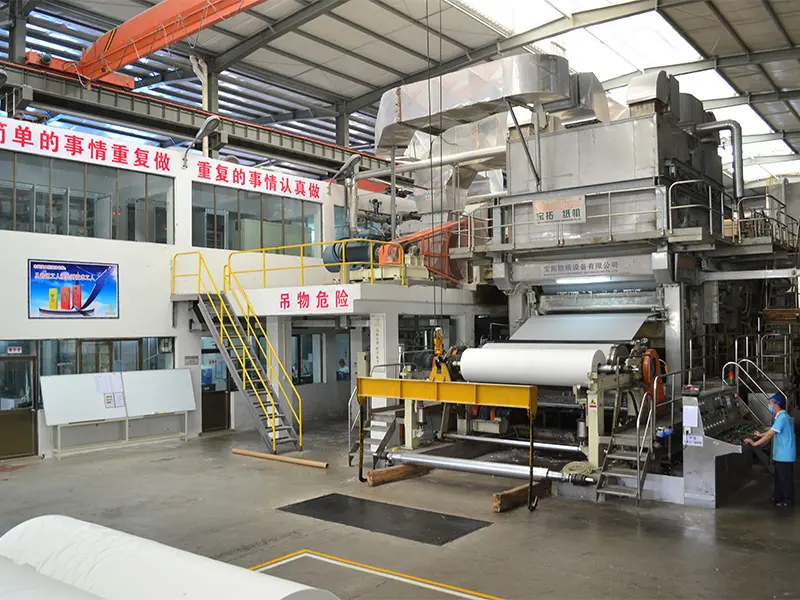
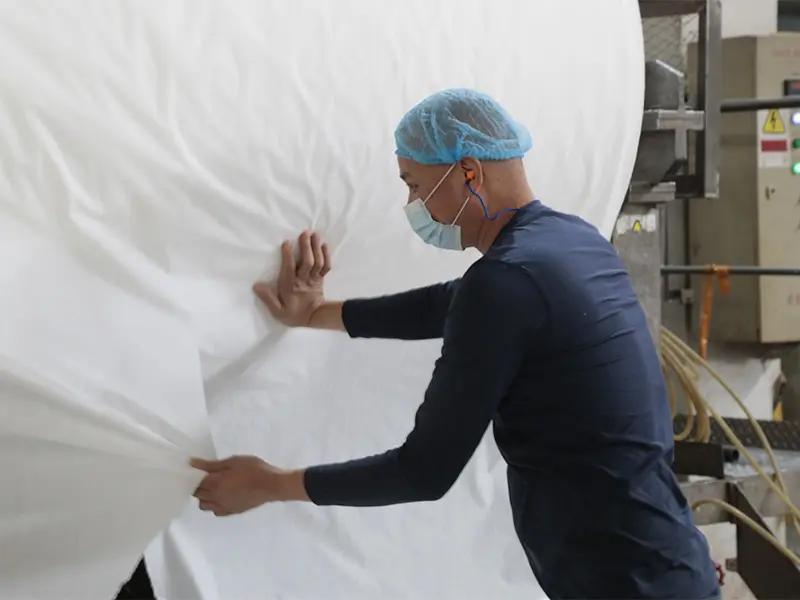
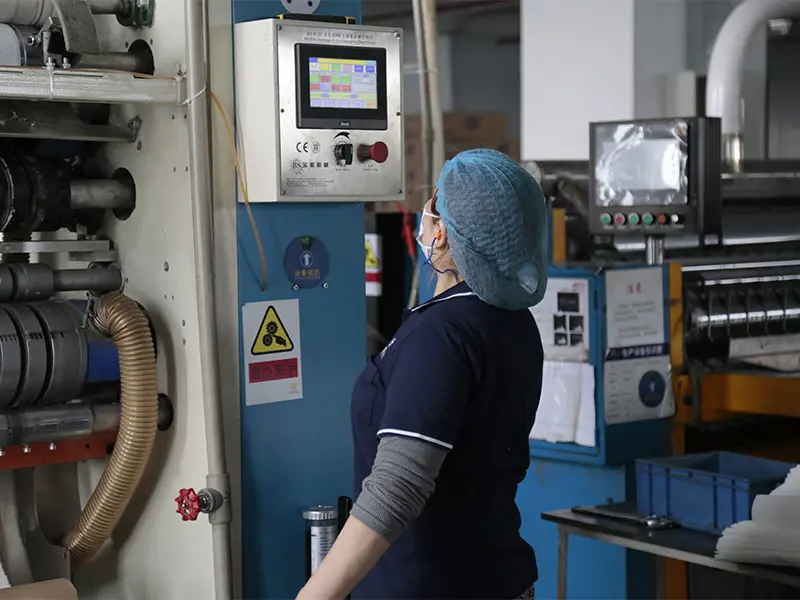
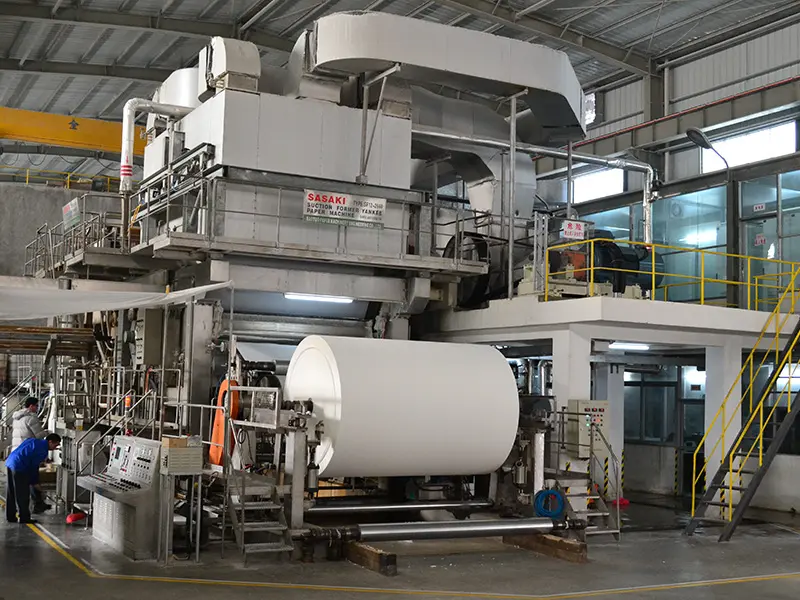
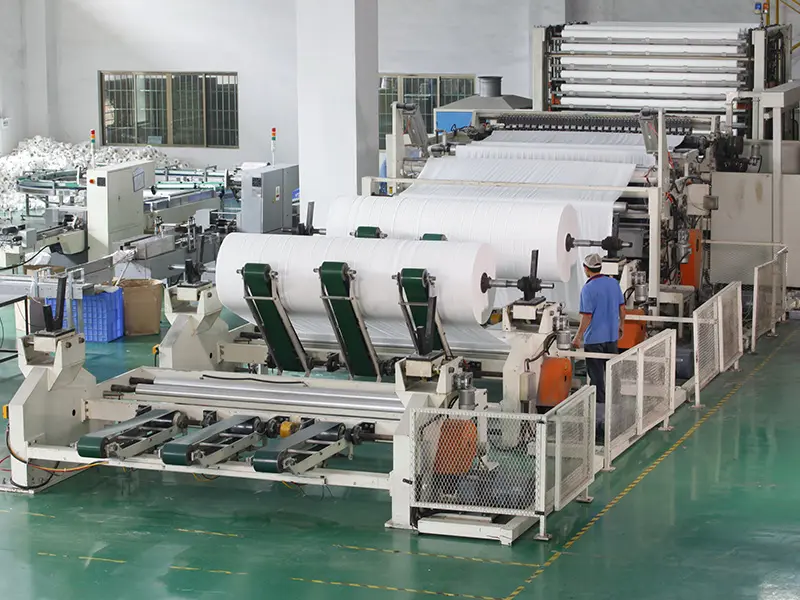
Our modern complex, exceeding 20,000 square meters, houses state-of-the-art, imported high-speed paper machines and automated processing lines. This powerful infrastructure supports an annual production capacity of over 30,000 tons, enabling us to meet large-scale demands while maintaining the consistent quality that defines the Baoda name.
The competitive dynamic of China's paper manufacturing cluster is built on integrated logistics, technological superiority, and efficient processing operations. At Baoda Paper, we leverage raw material localization and close relationships with pulp suppliers to guard against global pricing volatility. By utilizing advanced automated slitting, folding, and packaging lines, we minimize cycle times and ensure rapid bulk production.
Our close proximity to key industrial shipping ports allows us to optimize export shipping routes, reduce overland freight expenses, and accelerate delivery schedules. For global distributors, this translate into reduced lead times, lowered capital lockup, and consistent supply security.
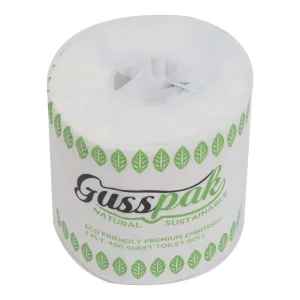
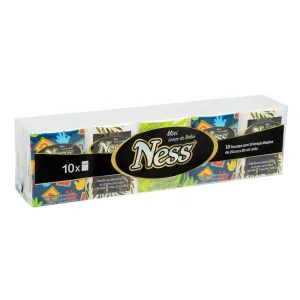
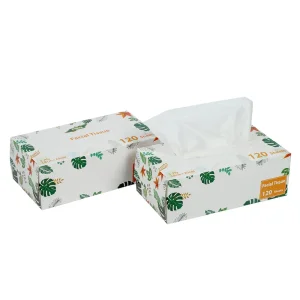
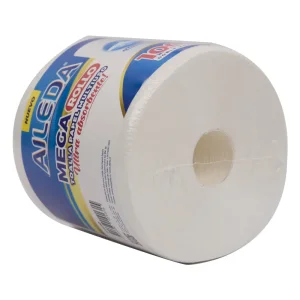
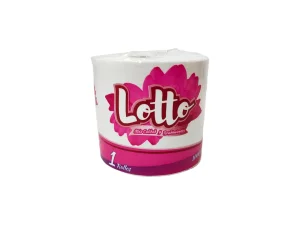
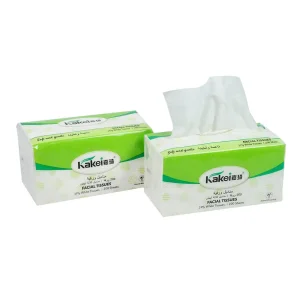
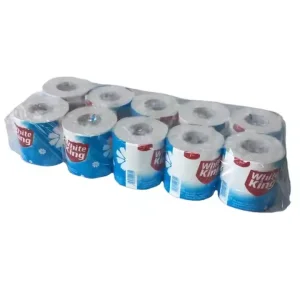
Customizable ultra-soft multi-ply facial boxes and roll toilet papers matching regional packaging preferences. Engineered with premium tactile characteristics for supermarket shelves and retail private label brands.
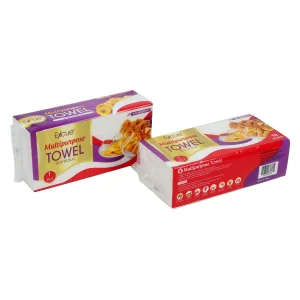
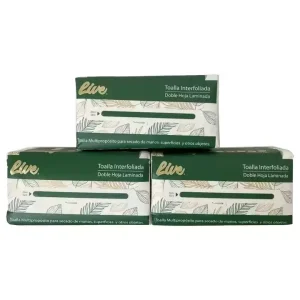
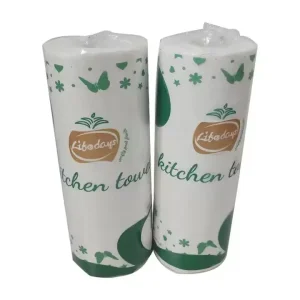
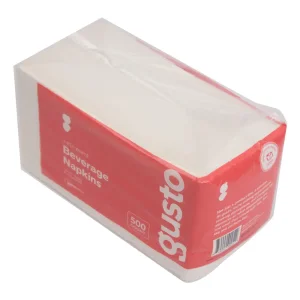
Heavy-duty, high-absorbency towels designed for dispensers in restaurants, hotel complexes, office parks, and cleaning environments. Optimized for single-sheet consumption control.
Additive-free, lint-free options processed through high-temperature sterilization. Developed for healthcare centers, skin clinics, and sensitive skin applications requiring high purity standards.
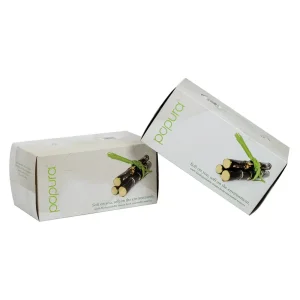
The tissue paper sector is moving toward sustainability and circular production practices. With raw wood pulp consumption coming under tighter regulatory control, manufacturers are expanding into alternative fibers, including bamboo, sugarcane bagasse, and crop residues. These natural fibers reduce carbon footprints while delivering distinct properties like natural antibacterial qualities and higher tensile strength.
Concurrently, advanced embossing methods like 3D micro-embossing enhance soft textures and liquid retention capabilities without adding raw material weight. We keep our production lines updated to support biodegradable and plastic-free packaging, helping global distributors stay ahead of environmental compliance demands.
Assess the mix of long-fiber and short-fiber pulp. Long fibers (derived from softwoods) provide high tensile strength, while short fibers (derived from hardwoods) deliver softness. Choosing the right blend is key to matching specific market performance needs.
Confirm wet-strength additives are adjusted properly to prevent immediate disintegration during use, while maintaining rapid dissolution once flushed in standard plumbing setups.
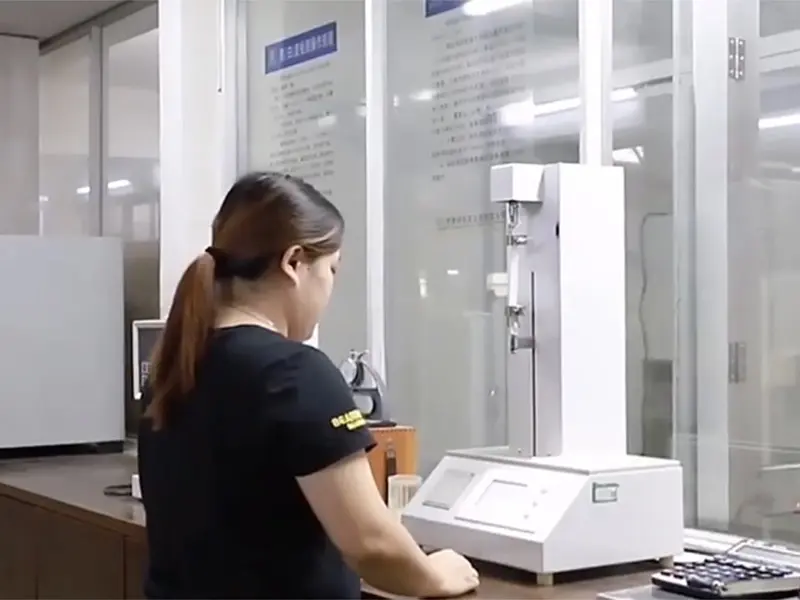
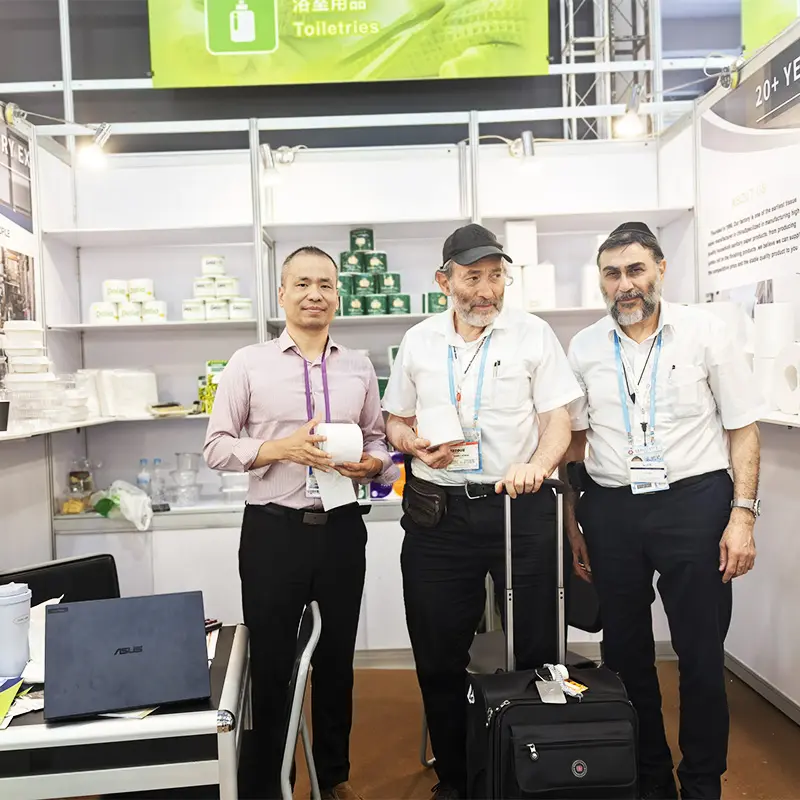
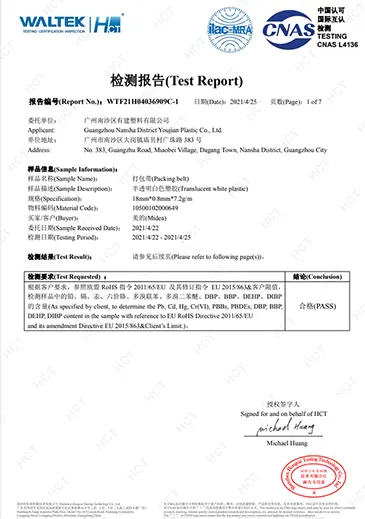
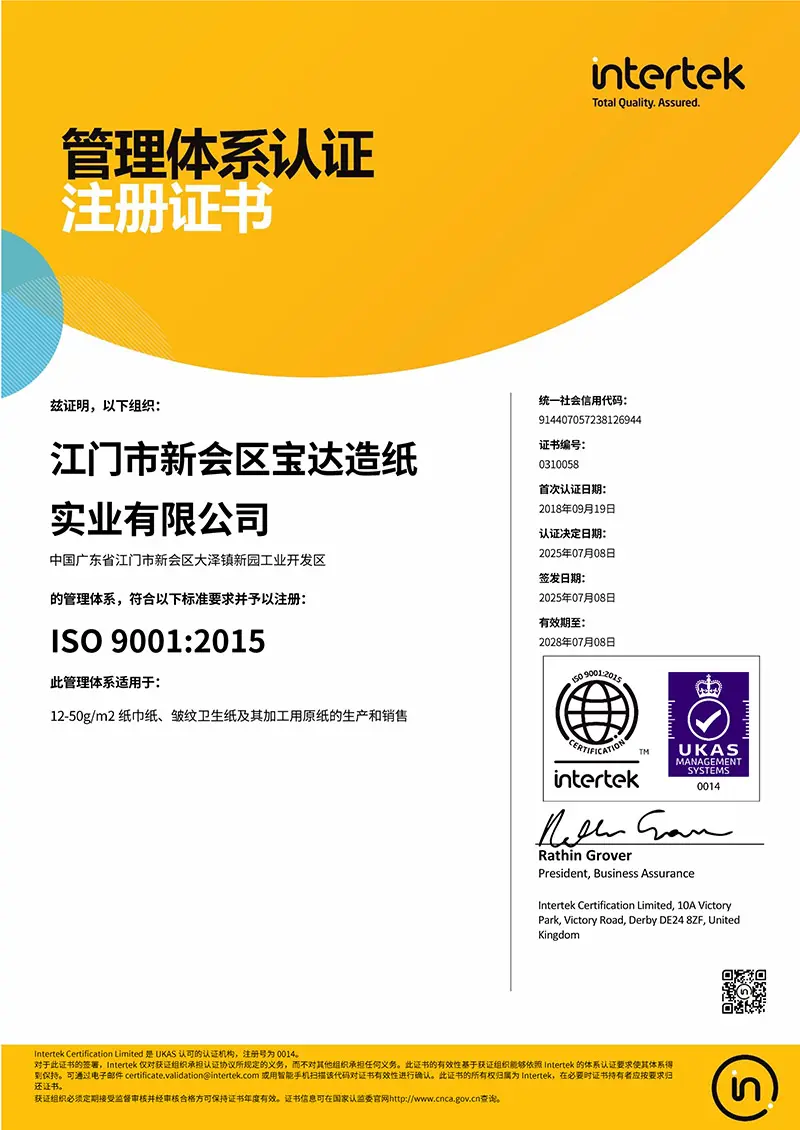
Ensure manufacturers maintain internationally recognized quality standards, clean processing facilities, and verifiable environmental certifications, such as FSC, ISO 9001, and ISO 14001.
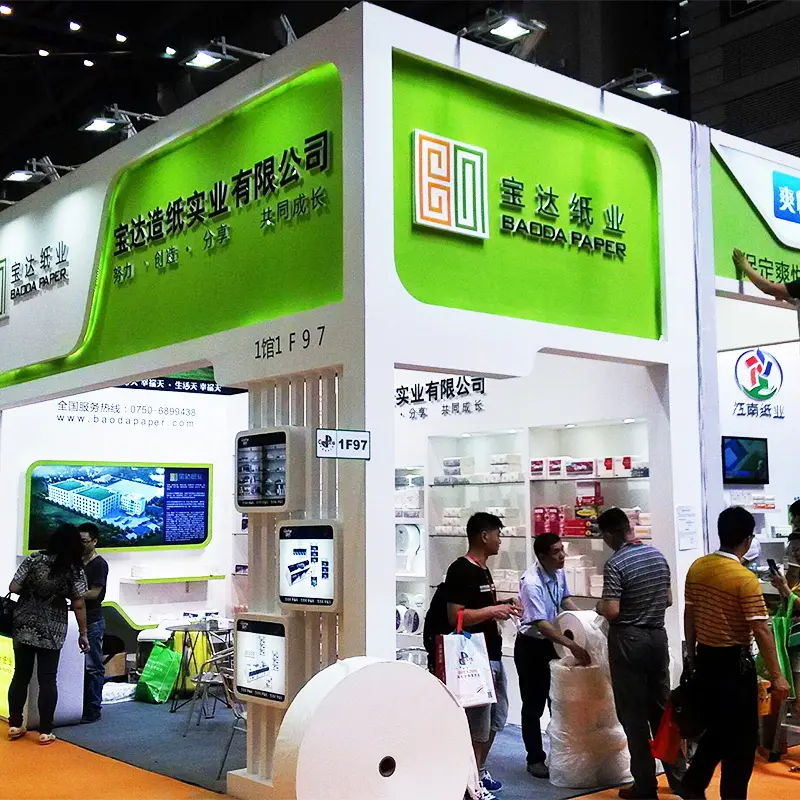
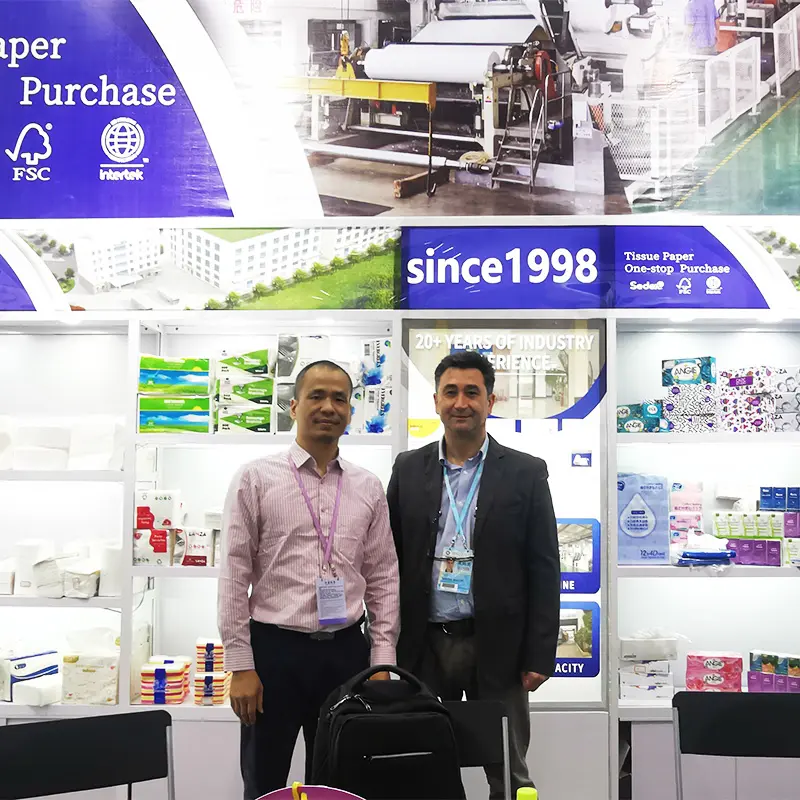
Our dedication has earned us the trust of a vast network of over 10,000 global leaders in retail and distribution, including renowned giants such as Walmart and Watsons.
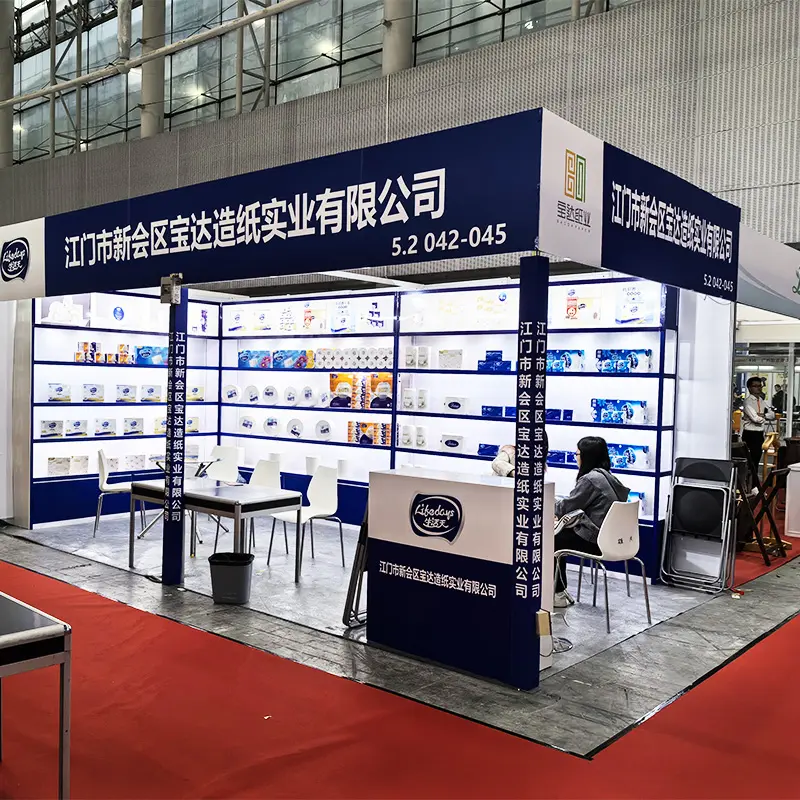
Our high-quality products and reliable service have enabled us to build a robust international distribution network spanning more than 60 countries across the Americas, Europe, Asia, and Australia, with significant presence in key markets like the United States and Australia.
Through decades of innovation and consistent delivery, Baoda Paper has become more than just a manufacturer; we are a symbol of quality, reliability, and partnership in the dynamic global tissue market.
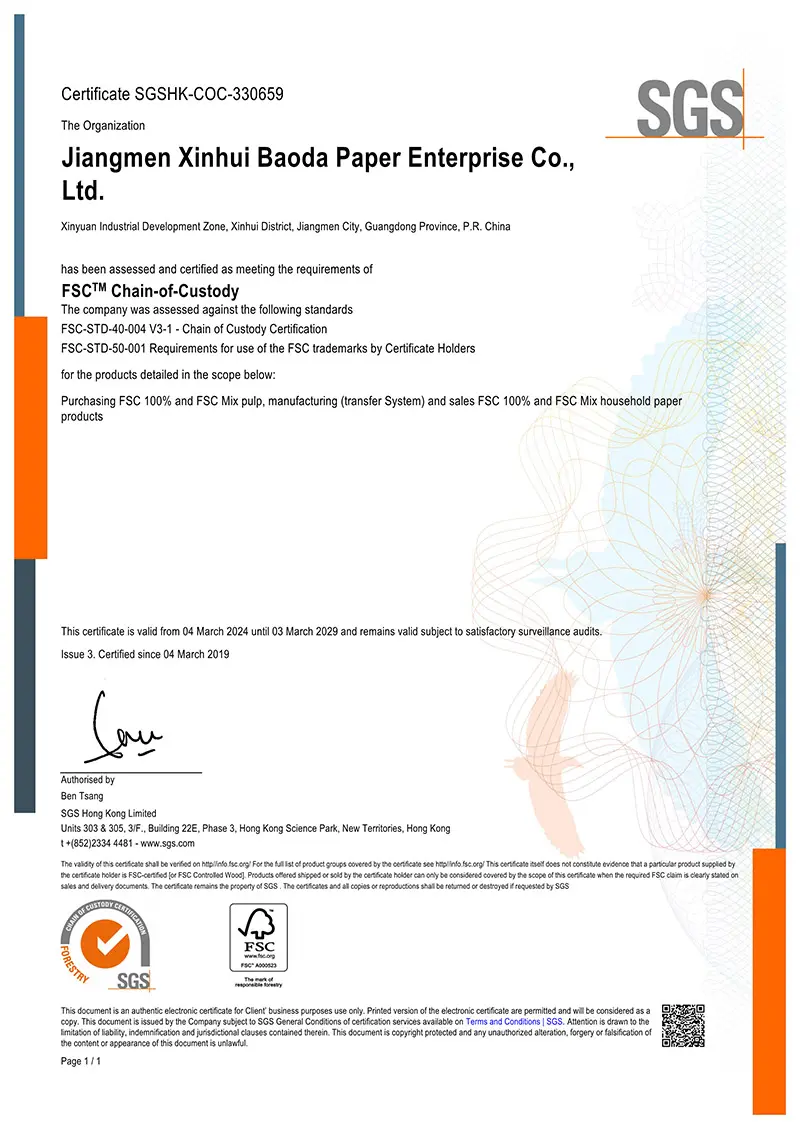
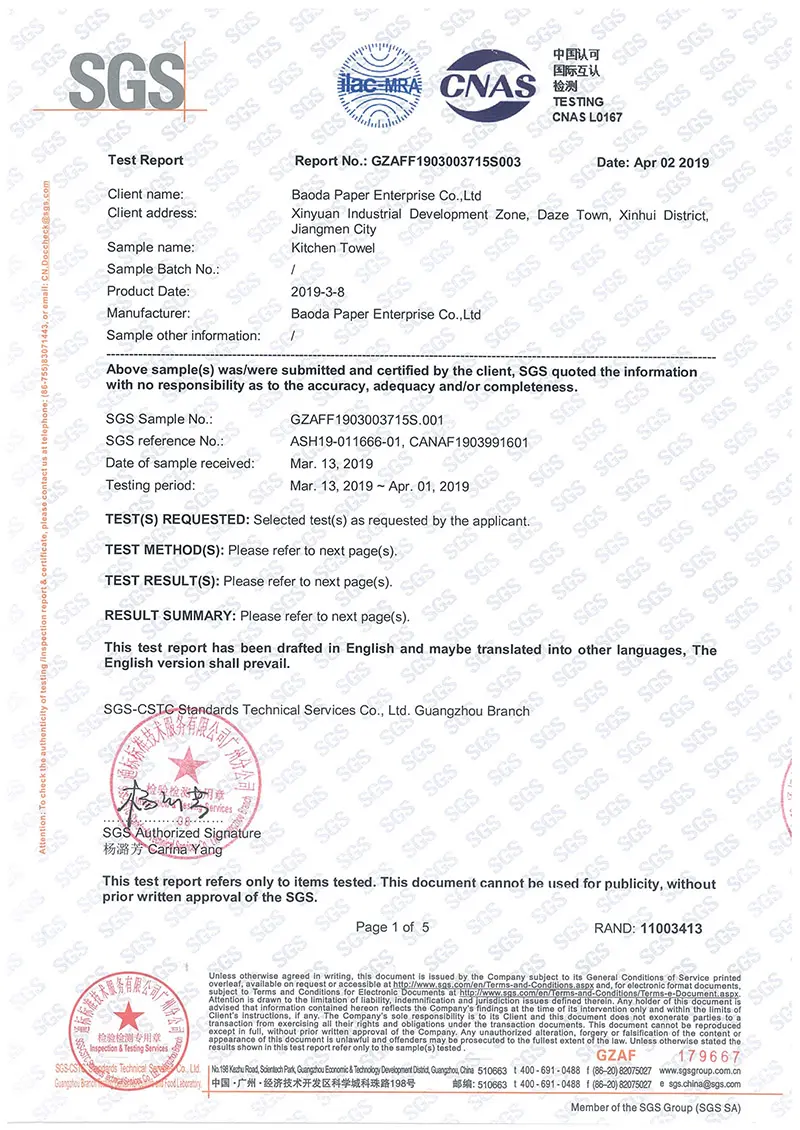
Clear, detailed answers regarding technical parameters, export packaging, OEM services, and sustainability certifications.
 BAODA PAPER