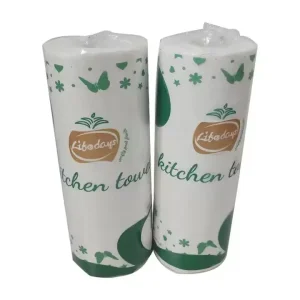
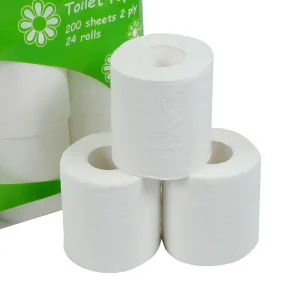
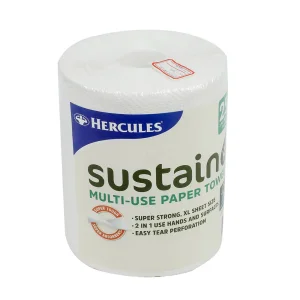
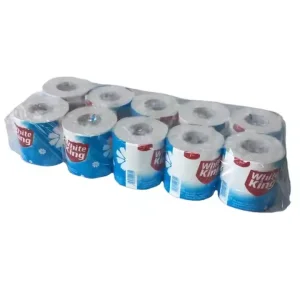
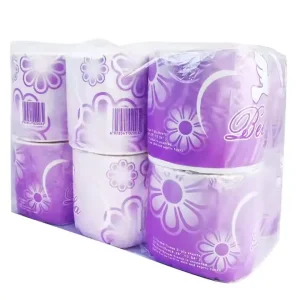
Engineered for extreme liquid absorption capacity, rapid structural restoration, and high wet tensile strength.
In the modern consumer and industrial hygiene sectors, the kitchen tissue roll has evolved from a simple commodity into a highly engineered household and commercial essential. In the wake of rising hygiene awareness globally, corporate buyers demand products that exhibit superior structural performance, clean chemical composition, and verified sustainability metrics. Navigating the crowded space of tissue exporters requires a deep understanding of physical parameters: basis weight (GSM), tensile strength (both wet and dry), absorption capacity, and fiber morphology.
This document serves as an industry whitepaper, examining the underlying science of paper roll performance, macro-economic industry shifts, and the high-capacity production capabilities of China's leading smart manufacturing hubs. As global distribution standards grow more stringent, exporters like Baoda Paper Co., Ltd. represent the pinnacle of supply chain reliability, quality execution, and structural agility.
The paper manufacturing sector is undergoing a massive transformation defined by three technological currents: fiber refinement innovation, ecological compliance, and advanced embossing technologies. Historically, kitchen rolls were manufactured with standard flat-laid recycled fiber networks that offered limited absorption. Today, the focus is on maximizing specific volume (bulk) and moisture retention.
Modern B2B buyers look for structured sheets that perform under physical stress. The introduction of point-to-point and nested micro-embossing techniques creates micro-chambers within the sheet tissue. These small physical pockets utilize capillary action to pull liquids inward, locking them between the plies. This process increases absorption capacity by up to 150% compared to traditional non-embossed, double-pressed paper products.
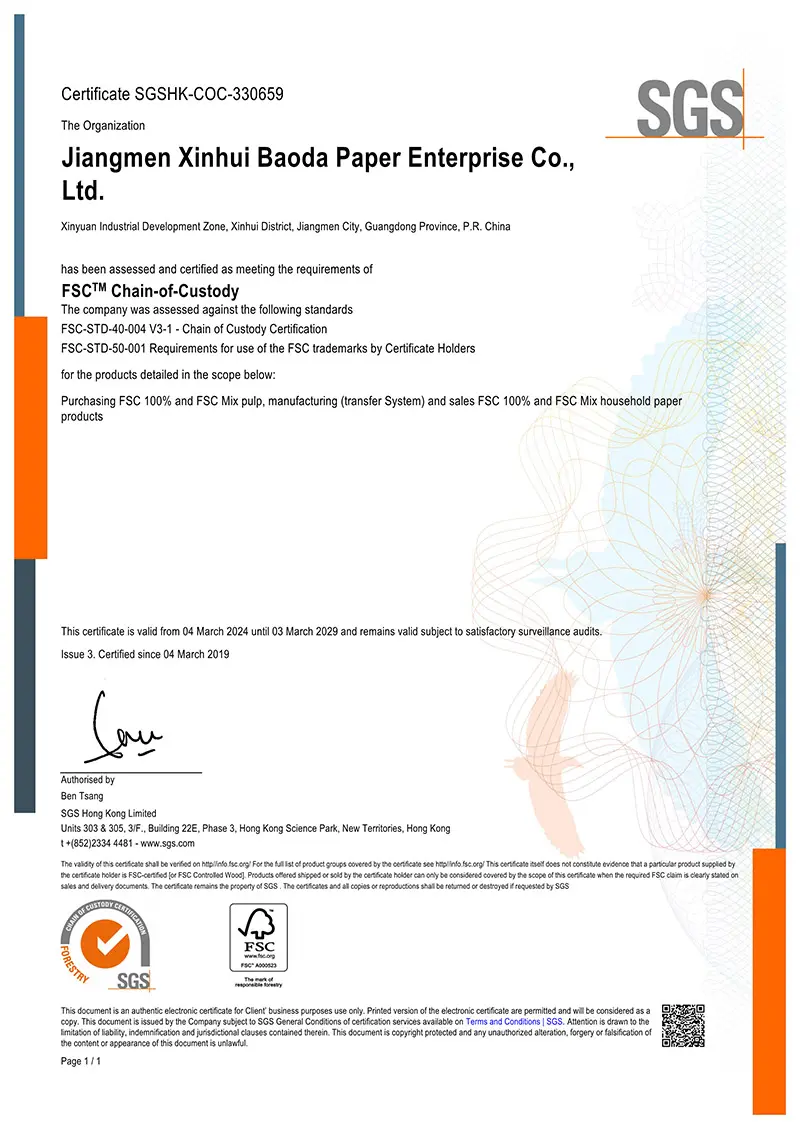
Sustainability is no longer a marketing option; it is an absolute procurement prerequisite. The global market is transitioning rapidly towards FSC (Forest Stewardship Council) certified virgin wood pulp and responsibly managed bamboo/agricultural residue fibers. Large-scale retail chains require complete traceability audits from pulp mills to the finished packaging. Consequently, paper exporters must document their raw material streams, showing compliance with European Timber Regulations (EUTR) and US Lacey Act guidelines.
Industrial, retail, and hospitality procurers must weigh several technical performance vectors before committing to long-term supply contracts. A basic "low cost per roll" strategy often leads to high product waste, customer complaints, and customs import issues. Global B2B purchasing criteria now center on:
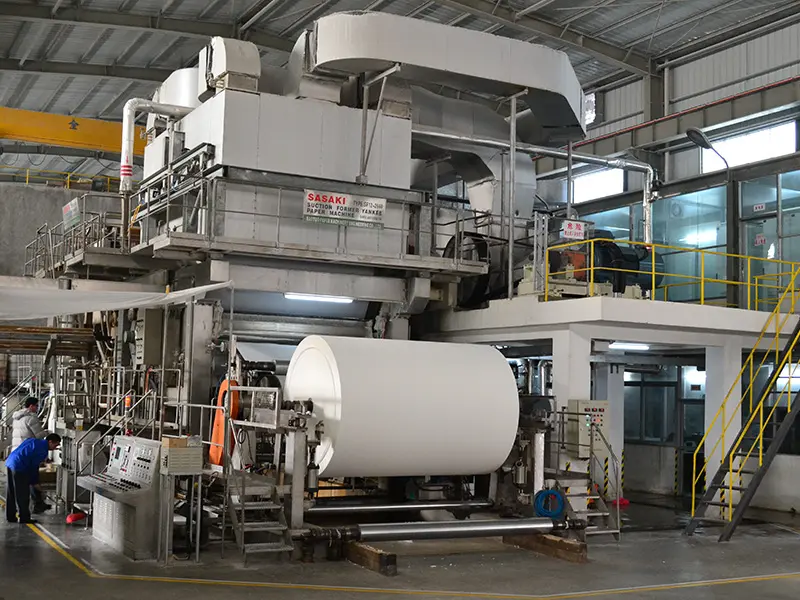
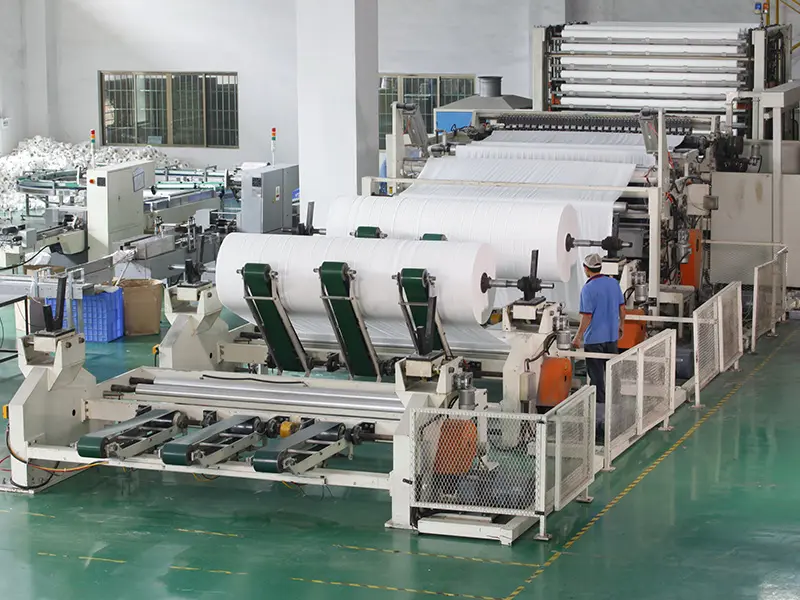
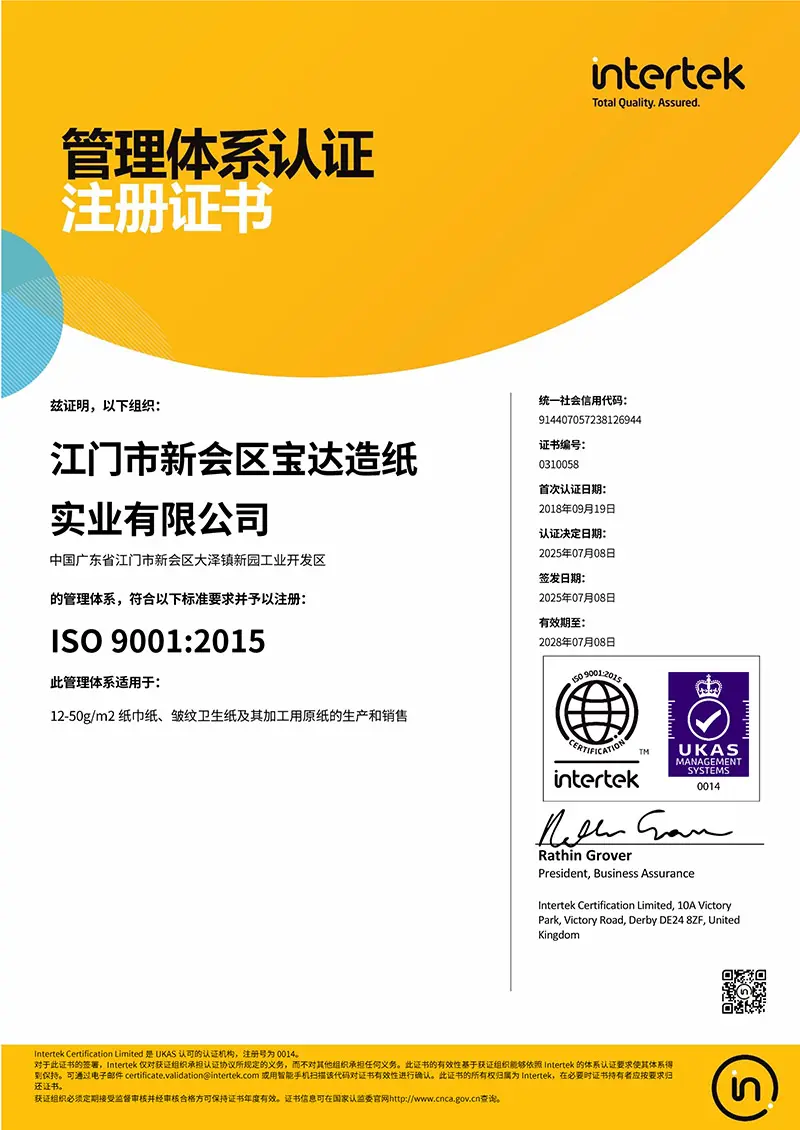
For over 27 remarkable years, since our inception in 1998, Baoda Paper Co., Ltd. has stood as an unwavering cornerstone of China's tissue paper industry, evolving from a domestic manufacturer into a globally recognized force. We have meticulously built our legacy on a formidable foundation of advanced manufacturing excellence and an unwavering commitment to quality. Our modern, sprawling complex, exceeding 20,000 square meters, is a testament to this commitment.
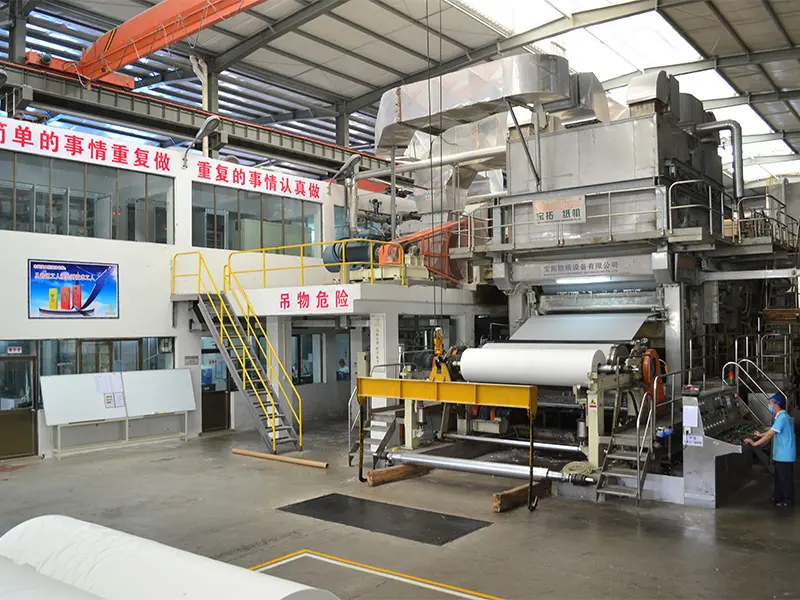
Within its walls, we house state-of-the-art, imported high-speed paper machines and sophisticated automated processing lines. This powerful infrastructure is the engine behind our impressive annual production capacity of over 30,000 tons, enabling us to meet large-scale demands without compromising on the consistent quality that defines the Baoda name.
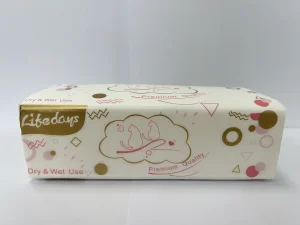
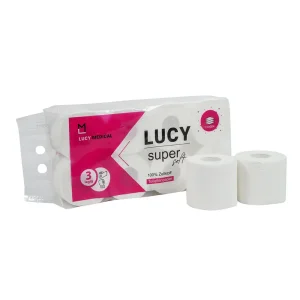
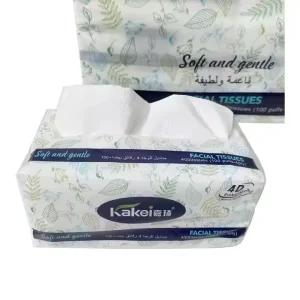
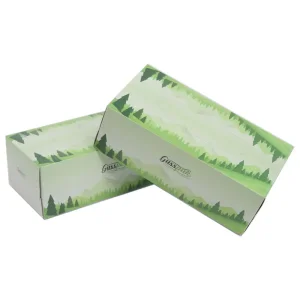
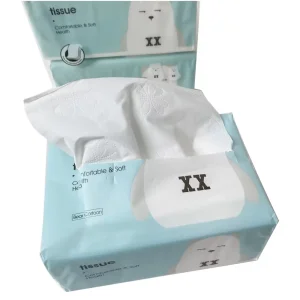
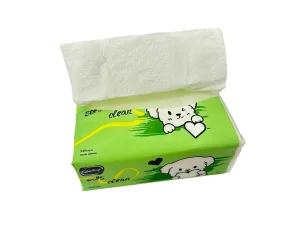
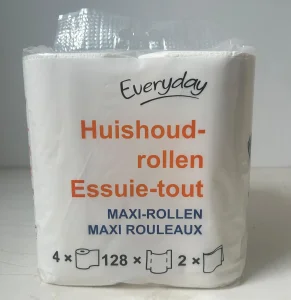
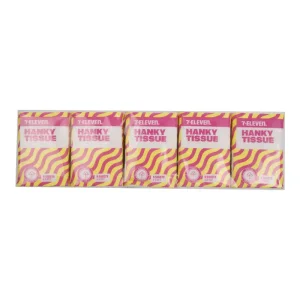
Our comprehensive and curated product portfolio is designed to provide complete one-stop solutions for diverse market needs. We offer an extensive range of products, from essential household items like premium toilet rolls, versatile kitchen towels, and soft facial tissues to convenient and hygienic pocket tissue packs for on-the-go use.

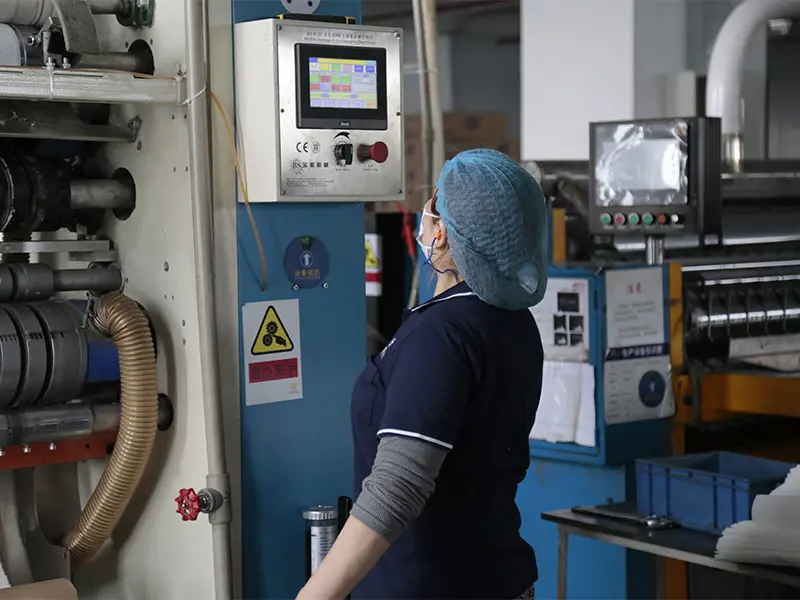
Modern tissue production requires intense technological integration. At Baoda Paper, we have integrated Factory 4.0 standards to ensure unparalleled supply chain resilience and cost efficiency. From raw material input to the final container loading, each step is optimized using real-time quality loops.
By utilizing high-speed rewinding machinery, automatic packing units, and online defect detection systems, we reduce physical variation in roll tightness, sheet dimensions, and perforation accuracy. This high degree of automation minimizes downtime and energy usage, enabling us to offer competitive global pricing while maintaining premium product standards.
Understanding the diverse paths to market success, our business model is both robust and flexible. While we proudly market three successful self-owned brands, we are also a premier partner for clients seeking to build their own product lines. We specialize in tailored ODM (Original Design Manufacturing), OEM (Original Equipment Manufacturing), and OBM (Original Brand Manufacturing) services, working collaboratively to bring our clients' unique visions and brand identities to life with precision and expertise.
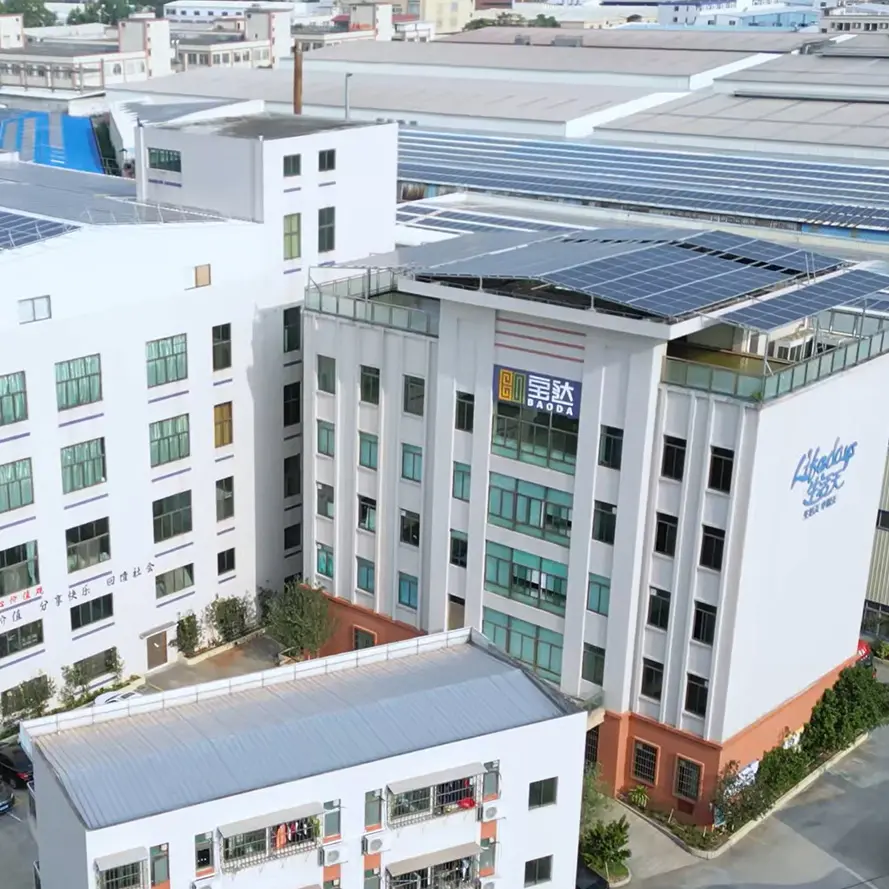
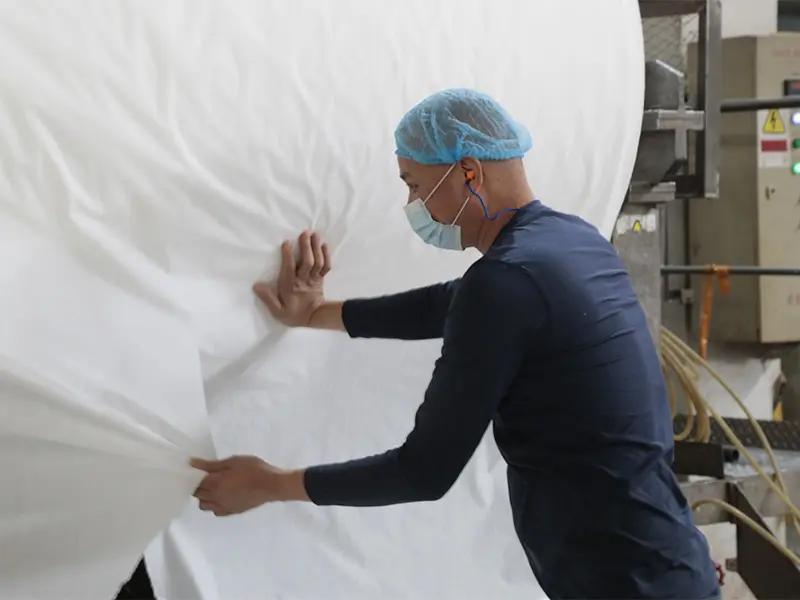
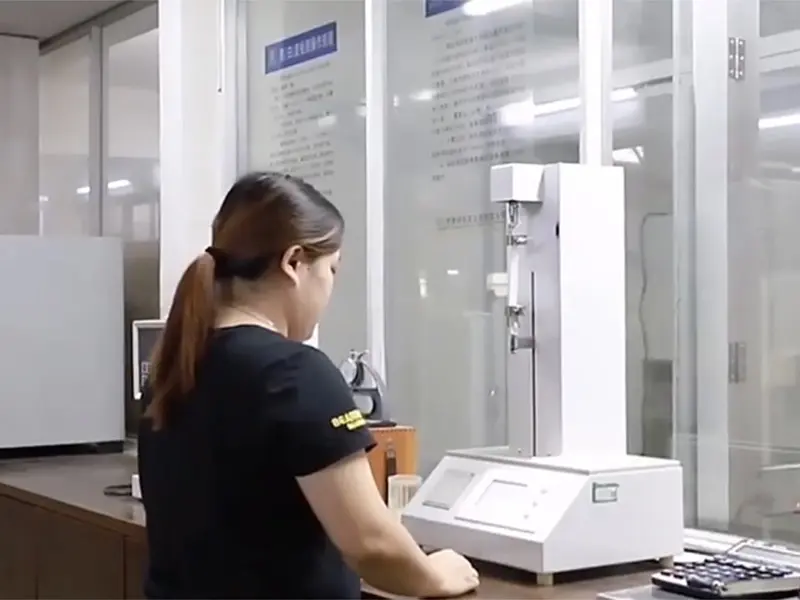
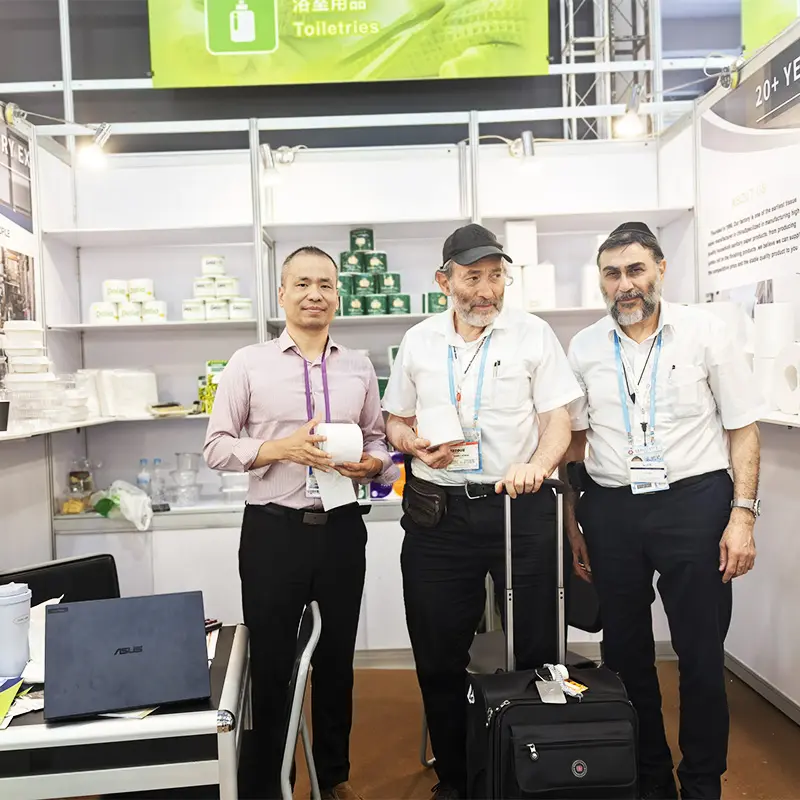
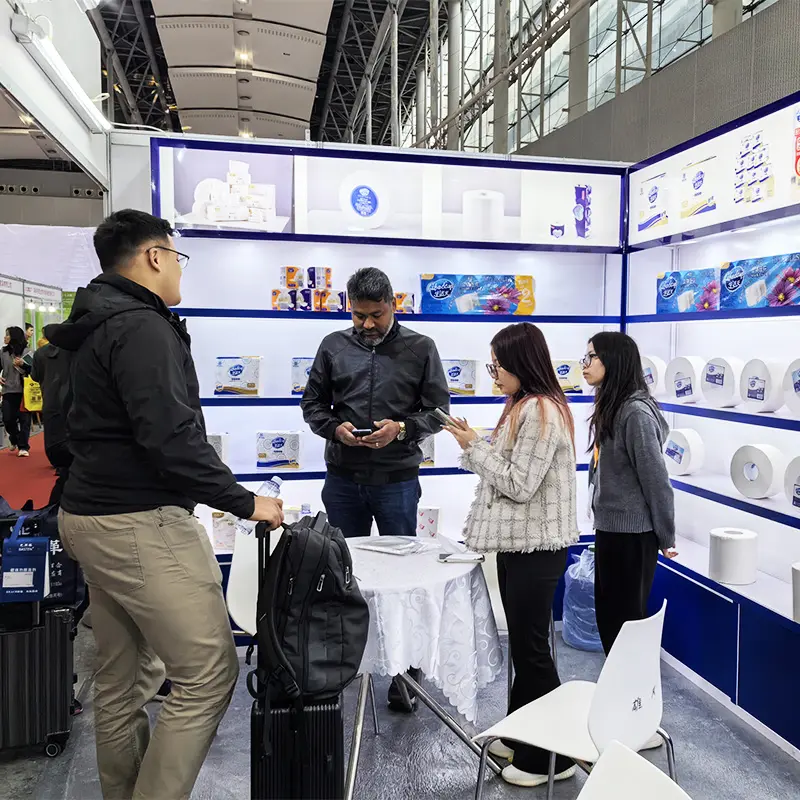
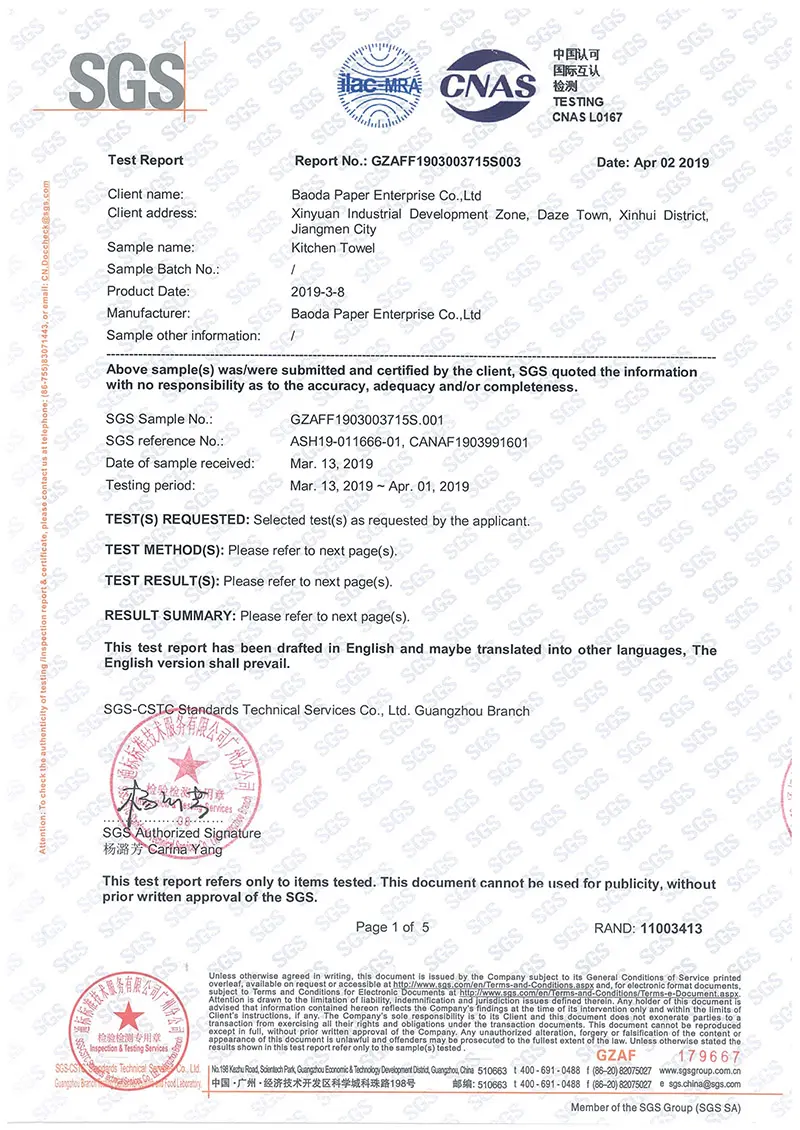
Our strict dedication to high-quality quality control and social responsibility has earned us the trust of a vast network of over 10,000 global leaders in retail and distribution, including renowned giants such as Walmart and Watsons. Our high-quality products and reliable service have enabled us to build a robust international distribution network spanning more than 60 countries across the Americas, Europe, Asia, and Australia, with significant presence in key markets like the United States and Australia.
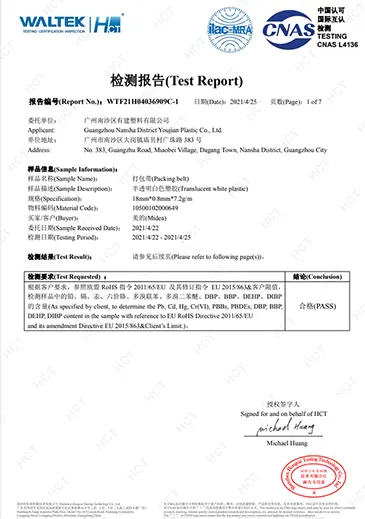
Through decades of innovation and consistent delivery, Baoda Paper has become more than just a manufacturer; we are a symbol of quality, reliability, and partnership in the dynamic global tissue market. We align our manufacturing practices with global social compliance standards (BSCI, Sedex) and strict environmental protection protocols, ensuring that our clients receive audit-ready shipments every single time.
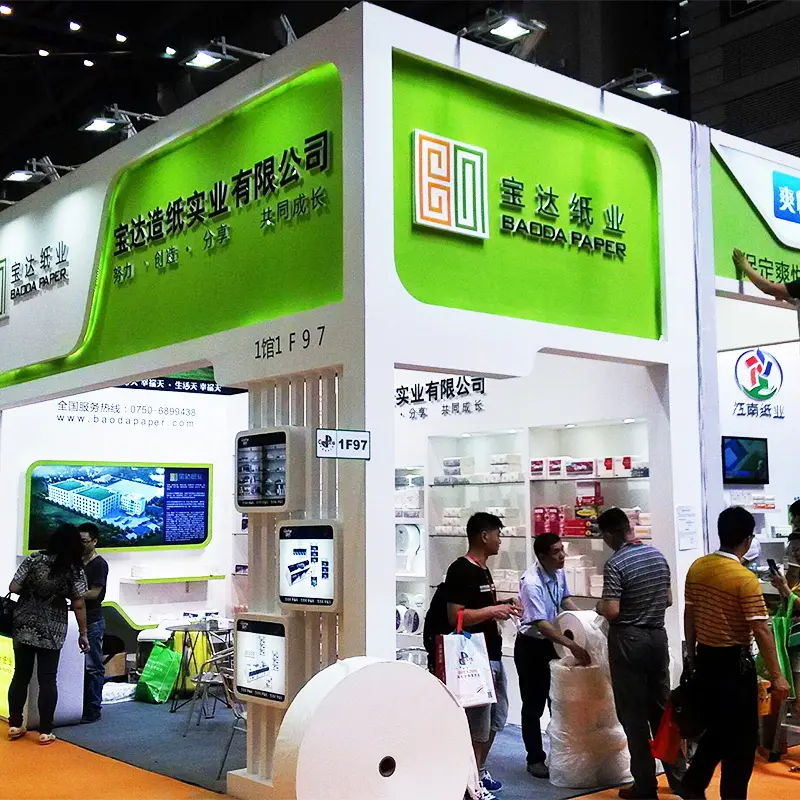
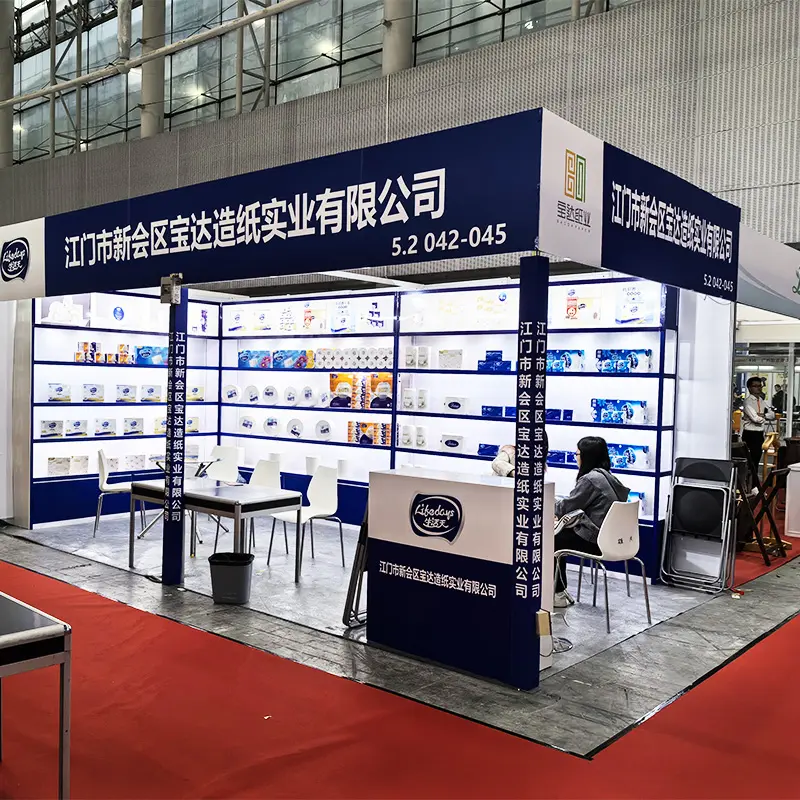
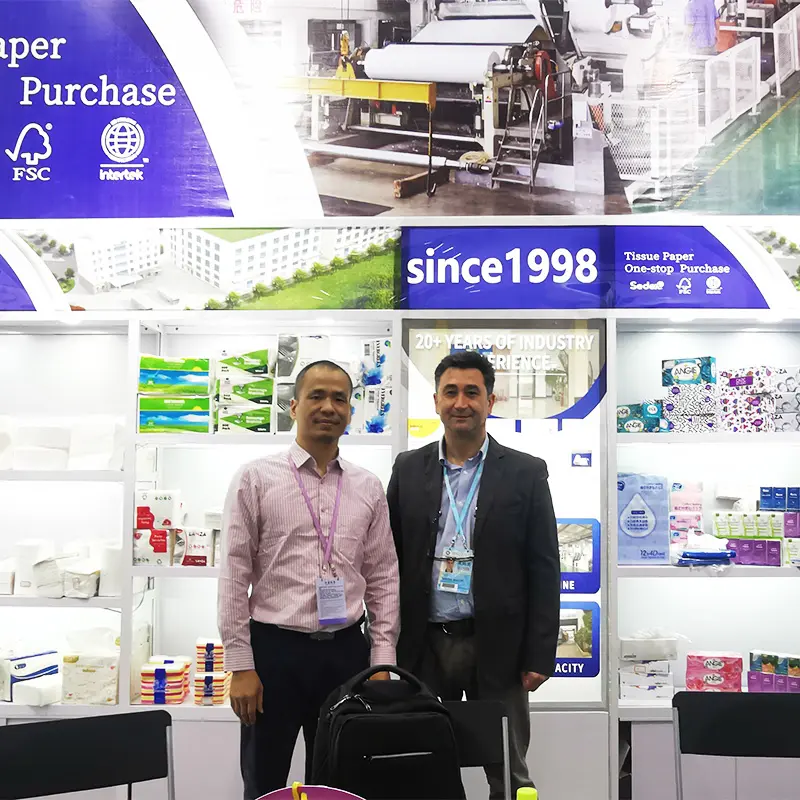
Kitchen tissue rolls serve diverse demands depending on their physical environment. High-performance tissue goes far beyond traditional domestic cooking applications. Our engineered rolls are optimized for:
Clear, quantitative information to guide B2B buying and custom OEM planning.
Explore our full selection of institutional bathroom rolls, customized facial tissues, and multi-ply napkins.
 BAODA PAPER