China Toilet Tissue Exporters & Factory

A Comprehensive Whitepaper on Technical Architecture, Industrial Capability, and Global Sourcing Logistics in the Tissue Paper Manufacturing Sector.

Executive Summary & The Dynamic Landscape of Sourcing

Understanding the strategic shifts in global tissue logistics, resource optimization, and why Chinese manufacturers lead the global market transition.

In the highly competitive global household paper market, the selection of a reliable manufacturing partner determines B2B business longevity. Global enterprises, B2B distributors, and large retail chains must balance volume capability with strict regulatory frameworks. China toilet tissue exporters and factories have transitioned from low-cost operations to highly automated, vertically integrated, and technologically advanced global supply nodes. This whitepaper analyzes the manufacturing frameworks, process engineering metrics, raw material strategies, and logistical parameters that shape the performance of prominent exporters like Baoda Paper Co., Ltd.

As semantic search engines refine how buyers evaluate manufacturers, information gain relies on identifying critical operational indicators: fiber composition ratios, wet tensile strength index (measured in N/m), bulk density (g/cm³), and septic-safe flushability. This study offers technical parameters for procurement officers to establish long-term sourcing strategies.

Vertically Integrated Raw Materials

Direct sourcing of premium FSC-certified virgin wood pulp ensures consistent tensile strength and fiber composition, preventing degradation across large production runs.

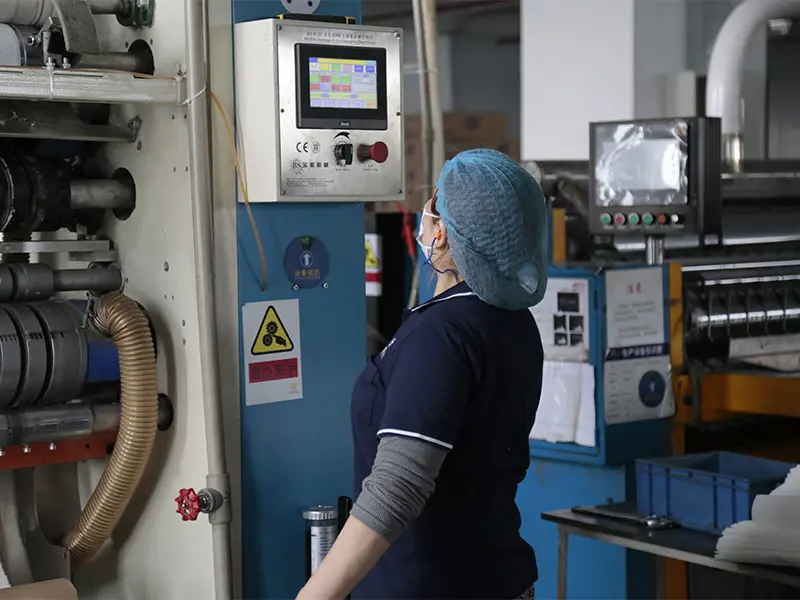
High-Speed Advanced Automation

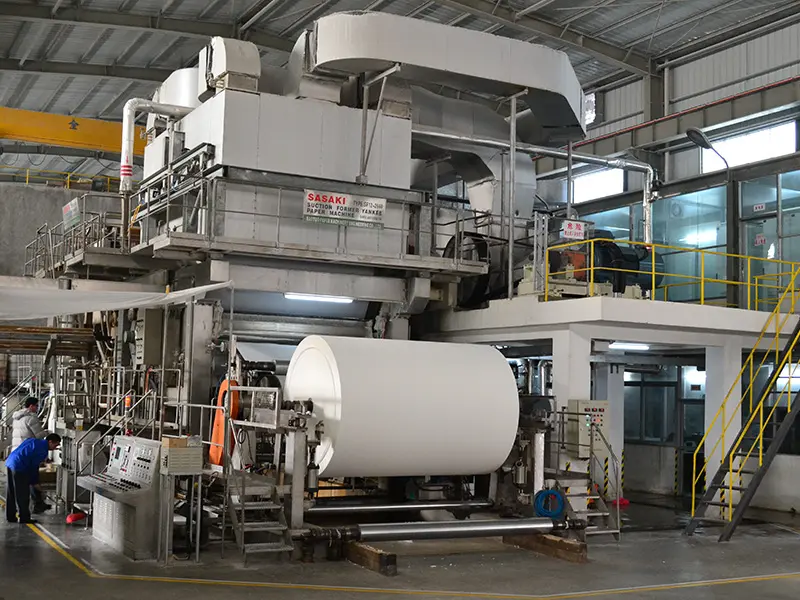
Integrating imported crescent former paper machines and high-speed rewinding units ensures consistent thickness, perforation precision, and optimal bulk density.

Comprehensive Quality Management

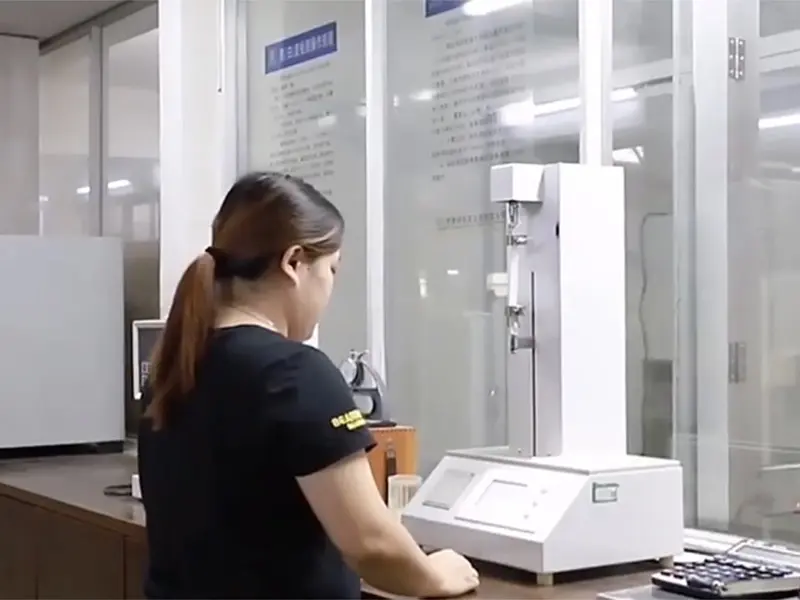
Multi-stage testing protocols check weight accuracy, tensile index, water absorption speed, and microbiological safety levels to meet strict global retail standards.

ABOUT BAODA PAPER

Established in 1998, Baoda Paper Co., Ltd. has developed over 27 years from a regional manufacturer into a major player in China's tissue paper industry. Our corporate operations are based on advanced manufacturing technology, continuous research, and strict quality standards.

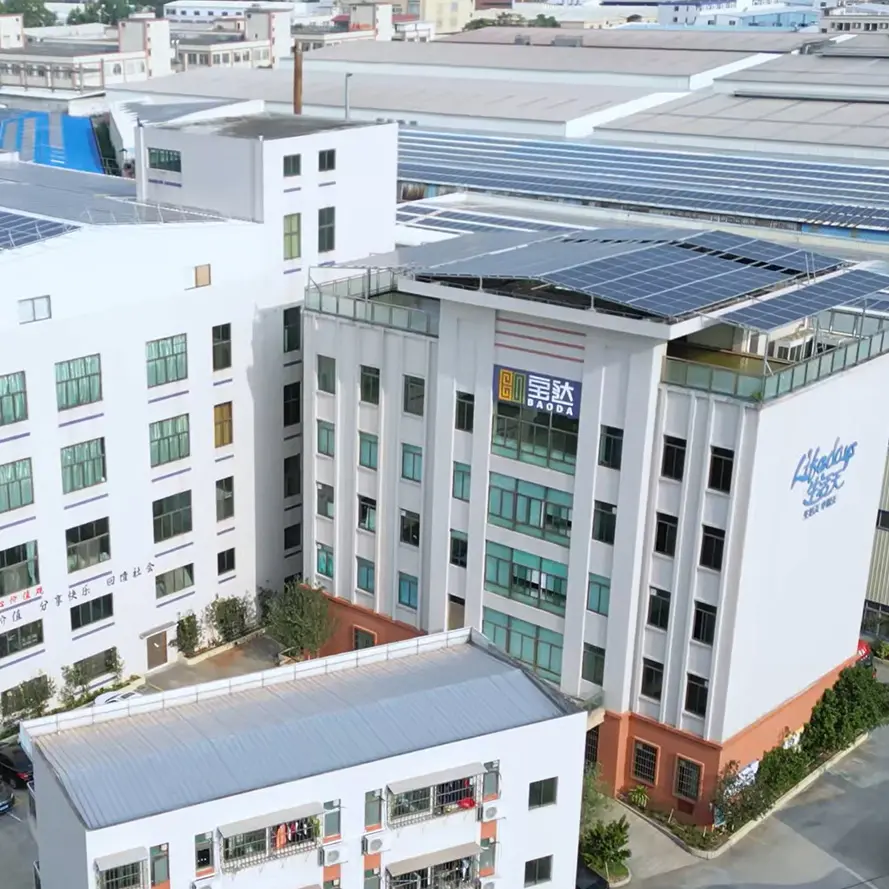
Located in a modern industrial facility spanning over 20,000 square meters, Baoda uses high-speed, imported crescent former paper machines and fully automated processing lines. This manufacturing infrastructure supports an annual production capacity exceeding 30,000 tons, allowing us to manage large-scale contract manufacturing while maintaining consistent, high-standard output.

Through our dedicated OEM, ODM, and OBM divisions, we support the private-label requirements of global distributors and retail chains. We provide tailored services from initial pulp formulation to customized packaging design, ensuring product lines align with specific target market demands.
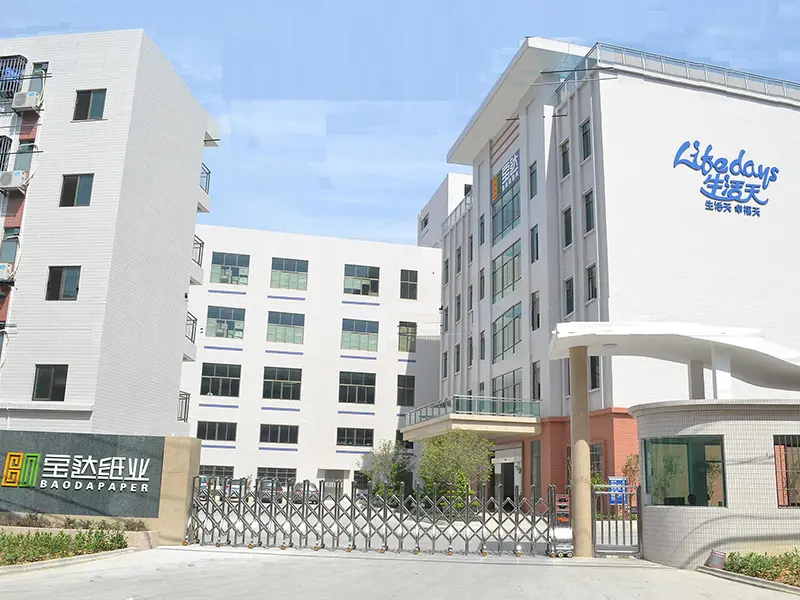
Baoda Paper Manufacturing Facility Overview
27+ Years
Manufacturing Experience Since 1998
30,000+ Tons
Annual Production Capacity
20,000+ ㎡
Modern Production Facility Floor Area

Technological Capabilities of Modern Tissue Factories

Analyzing how advanced machinery, material sciences, and automation control precision quality in bulk tissue production.

The manufacturing of toilet tissue involves complex chemical and mechanical processing. A modern Chinese factory like Baoda Paper coordinates multiple key variables to transform raw wood pulp into soft, absorbent tissue:
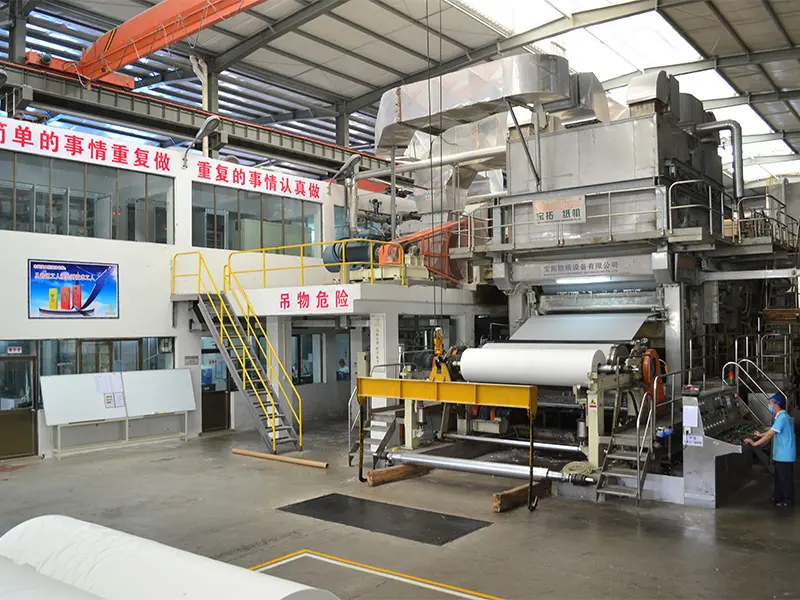
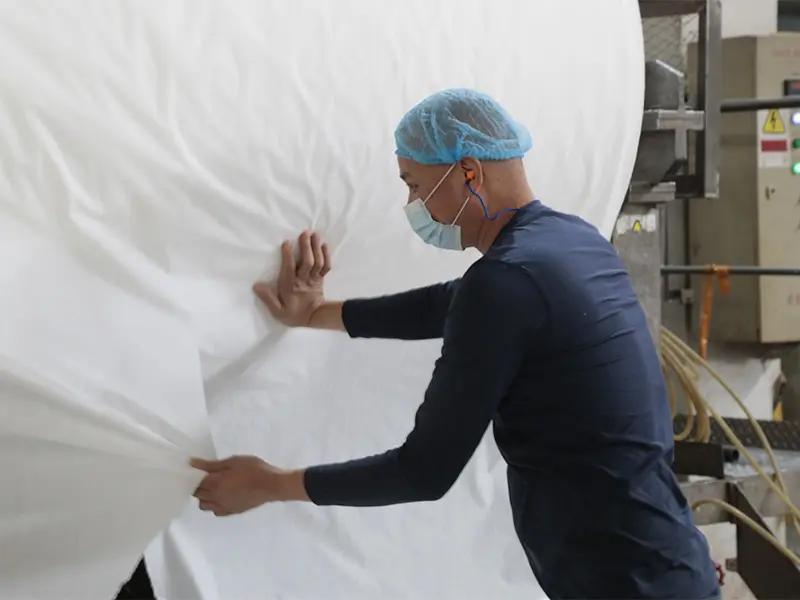
  • Fiber Blend Optimization: Mixing long-fiber coniferous pulp (providing high tensile strength to prevent tearing) with short-fiber broadleaf pulp (delivering softness and high bulk volume). The precise ratio is customized based on target product layers (2-ply, 3-ply, or 4-ply).
  • Crescent Former Technology: Operating at speeds up to 1,500 meters per minute, these modern machines form uniform paper sheets. Precise dewatering technology ensures balanced fiber distribution, which reduces anisotropy and improves cross-directional (CD) tensile strength.
  • Laser-Guided Embossing Units: Double-embossing systems create small air pockets between paper plies. This structural design improves water absorption capacity and enhances surface texture without weakening the paper.
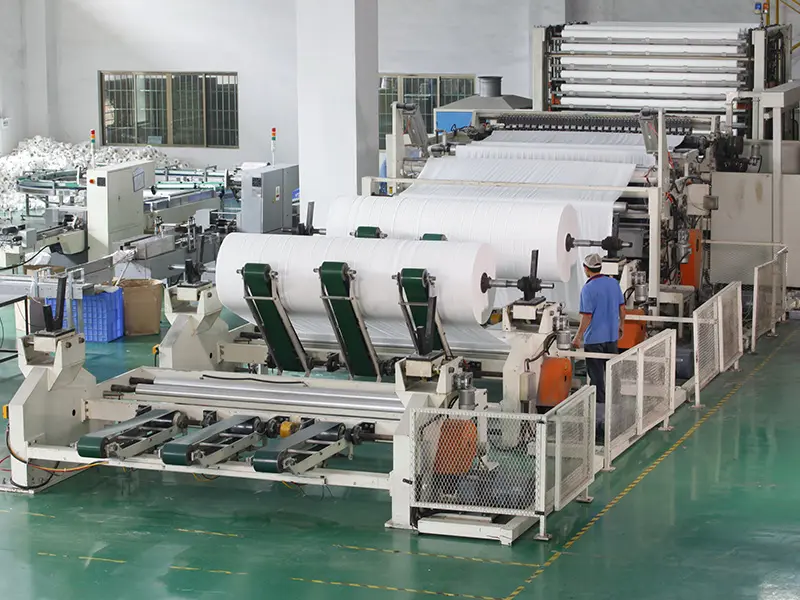
  • Integrated Converting & Packaging: Automated converting lines rewind parent rolls, apply precise line perforations, and log-cut them into ready-to-package rolls. Touchless packaging prevents biological contamination, satisfying international health regulations.
High speed slitting line
Automated packaging unit
Parent roll storage
Embossing roller detailing
Quality control testing
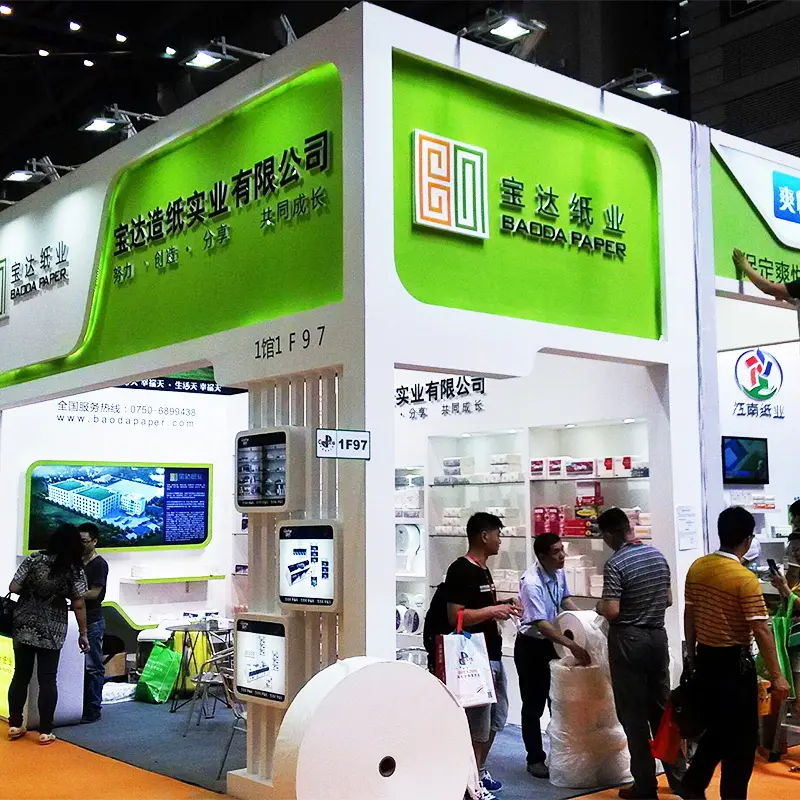
Exhibition of finish tissue goods
Baoda One-stop Toilet Tissue Customization Process

WELCOME TO BAODA

One-Stop B2B Sourcing Solutions

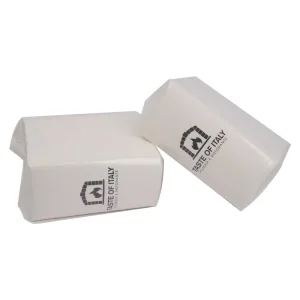
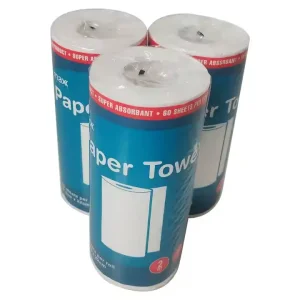
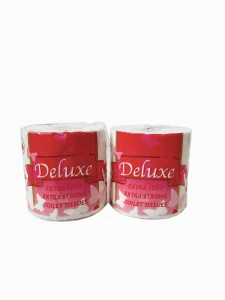
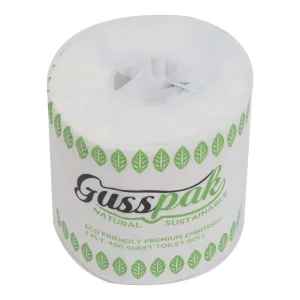
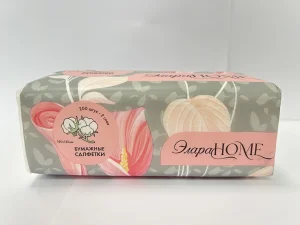
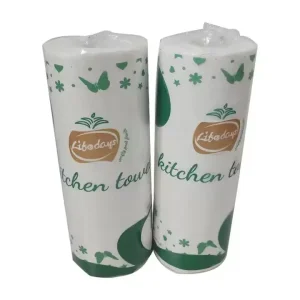
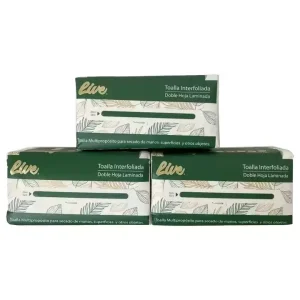
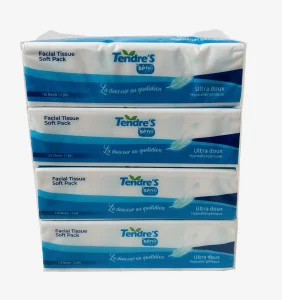
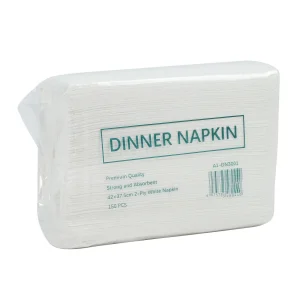
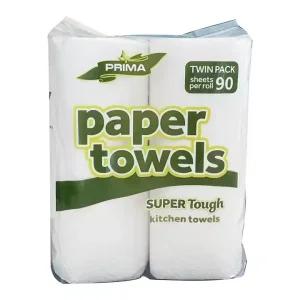
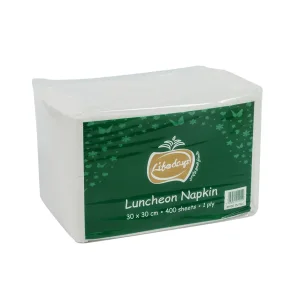
Our product portfolio is developed to serve different market sectors. From standard household tissues to heavy-duty kitchen rolls, pocket tissues, and commercial napkins, we offer structured solutions for varied application environments.

To support different market access strategies, we offer flexible contract manufacturing terms. While marketing three independent domestic brands, we specialize in OEM, ODM, and OBM private-label integration. Our technical team works alongside your sourcing department to customize dimensions, sheet counts, tissue weights (typically 13 to 22 GSM), and packaging materials.

This comprehensive integration simplifies sourcing, reduces supply chain risk, and ensures consistent quality from design through delivery.

Social Responsibility Compliance

We operate with high standards of corporate social responsibility. This commitment has helped us build relationships with retail and distribution networks, including companies such as Walmart and Watsons.

High-Standard Quality Control

Our quality management systems monitor the entire production process. We maintain an international distribution network covering over 60 countries across the Americas, Europe, Asia, and Australia.

Responsive After-Sales Support

We provide long-term support services to ensure efficient supply chain operations. From monitoring container configurations to managing seasonal demand fluctuations, our team works to ensure reliable delivery.

Macro-Industry Solutions & Global Sourcing Requirements

How geographic regulations, consumer preferences, and logistics requirements shape B2B procurement strategies.

Global procurement teams must adapt product specifications to match local regulations and consumer requirements. The modern export framework requires a clear understanding of regional market expectations:

1. North American Markets (Focus on Bulk and Plies)

Buyers in the United States and Canada typically prefer ultra-soft, thick products, prioritizing 3-ply and 4-ply toilet paper. Rolls must fit standard dispenser spindles, and there is high demand for large roll counts. Procurement teams require strict chemical safety standards, including FDA registration for skin contact and FSC (Forest Stewardship Council) chain-of-custody certification to verify sustainable sourcing.

2. European Union Markets (Focus on Ecological Footprint)

European markets focus heavily on sustainability. Demand is shifting toward unbleached brown pulp, recycled tissue, and non-plastic packaging like paper wraps or compostable films. Products must comply with EU Ecolabel guidelines and German BfR Recommendation XXXVI for food contact safety in kitchen tissue applications.

3. Commercial and HORECA Sectors

In hotels, restaurants, and catering services, the total cost per use is a primary metric. High-capacity jumbo rolls and folded tissues (V-fold, Z-fold) are standard solutions. Dispenser compatibility is critical to prevent product jamming, which requires precise control over paper stiffness and perforation quality during manufacturing.

4. Healthcare & Institutional Markets

Healthcare facilities require hypoallergenic and chemical-free products. Tissue formulations must exclude artificial fragrances, optical brighteners, and chlorine bleaching agents (elemental chlorine-free or totally chlorine-free processes) to prevent skin irritation.
Automated conveying system
Tissue rewinding process
Warehouse logistics storage
Raw pulp preparation tanks
Finished roll cut unit
Packaging inspection line

Standards and Environmental Compliance

Independent audits and quality certificates verify international regulatory compliance and product safety.

To operate reliably in international B2B supply chains, factories must verify compliance through recognized auditing bodies. Independent certifications help mitigate compliance risks for importing firms, showing that products meet both local regulations and international quality standards.

Key Quality Protocols Include:
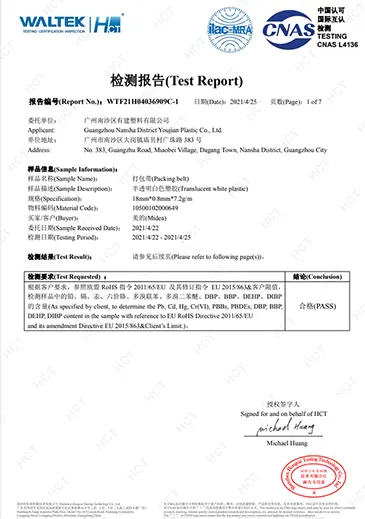
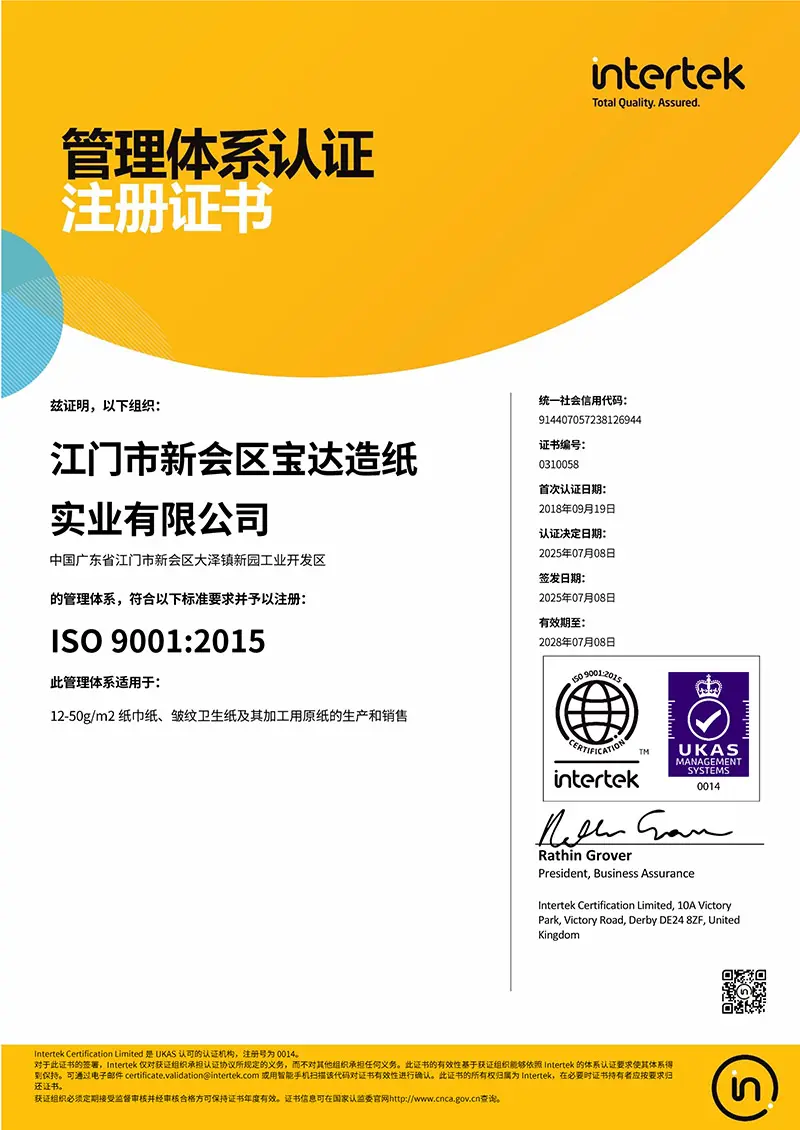
  • ISO 9001:2015: Verifies consistent manufacturing processes, raw material traceability, and standardized quality testing from incoming pulp to finished shipments.
  • ISO 14001:2015: Monitors environmental management systems, focused on water treatment efficiency, energy conservation, and waste reduction during production.
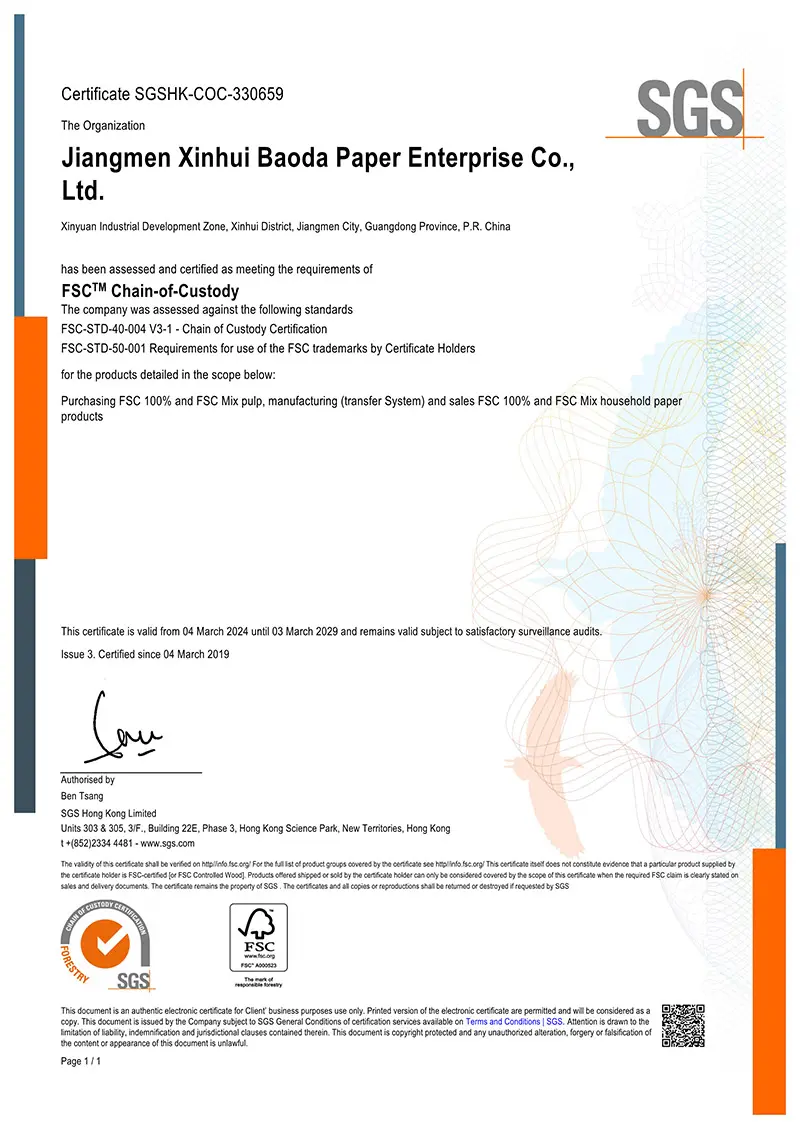
  • FSC (Forest Stewardship Council) Chain of Custody: Verifies that all raw wood fiber is sourced from responsibly managed forests, supporting eco-friendly procurement requirements.
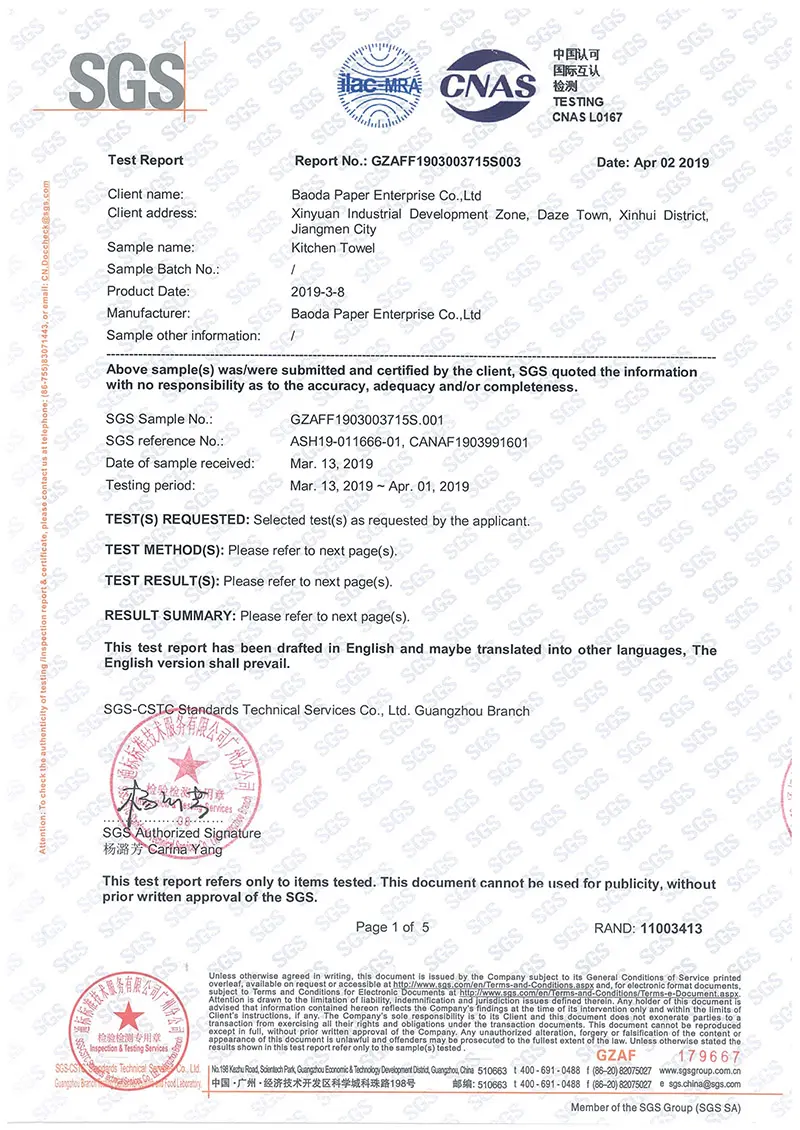
  • SGS and Intertek Audits: Third-party verification of product safety, including checks for heavy metals, fluorescent substances, and microbiological contaminants.
ISO 9001 System Registration Certificate
FSC Chain of Custody Compliance Record
SGS Environmental Quality Testing Report
OHSAS Occupational Health Standard Compliance
International Retailer Factory Audit Certificate

Technical & Logistical Q&A for B2B Sourcing Directors

Answers to common operational, regulatory, and engineering questions in international tissue paper procurement.
What defines the absorption and tensile capacity difference between virgin wood pulp and recycled fiber?
Virgin wood pulp consists of long, intact cellulose fibers that form strong chemical bonds during the drying stage. This structure provides high tensile strength (both wet and dry) and a softer texture. In contrast, recycled fibers are shorter due to repeated processing, resulting in lower tensile strength and a rougher feel. Recycled fibers are suitable for eco-friendly or budget applications, but virgin pulp remains the standard for premium, strong toilet paper.
How does the embossing pattern affect tissue bulk and absorption performance?
Embossing is not only decorative; it alters the paper's structure. High-pressure rollers create spacing between plies, forming air pockets that increase bulk thickness by up to 30% and improve absorption through capillary action. Point-to-point and micro-embossing designs improve liquid holding capacity while maintaining paper strength.
What parameters are customizable under Baoda's OEM, ODM, and OBM framework?
We support customization across multiple parameters: sheet dimensions (such as the standard 10x10cm), ply count (from 1-ply to 4-ply), paper density (ranging from 13 to 22 GSM per ply), core diameters, roll length, and packaging formats. For ODM and OBM, we provide design support for outer film packaging, retail cartons, and display stands.
How does Baoda ensure environmental compliance for global markets?
We maintain FSC (Forest Stewardship Council) Chain of Custody certification, confirming that our pulp is sourced from responsibly managed forests. Our facility also operates closed-loop water filtration systems to reduce water consumption and complies with international environmental standards under ISO 14001.
What are the lead times and shipping logistics for high-volume orders?
Standard production lead times for repeat contract orders are 20 to 30 days from layout approval to port delivery. We consolidate container shipments near local deep-water ports, maximizing volumetric load efficiency (typically utilizing 40HQ containers) to reduce ocean freight costs for international buyers.
What testing protocols are implemented to verify flushability and dissolution?
Our toilet tissue undergoes standardized disintegration testing. Samples are placed in water under controlled agitation to measure the time required for the fibers to separate. This testing ensures the tissue breaks down quickly, helping to prevent plumbing blockages and maintain septic-safe performance.
What is the minimum order quantity (MOQ) for customized private-label packaging?
MOQs depend on specific product types and packaging configurations. For custom printed outer wraps, the standard MOQ is one 40-foot High Cube (40HQ) container per size, which optimizes manufacturing setup costs and freight efficiency.
How does Baoda handle quality verification and pre-shipment inspections?
We perform in-house laboratory testing on every production batch to verify weight, sheet count, tensile strength, and moisture content. We also accommodate third-party inspection firms (such as SGS, Bureau Veritas, or Intertek) chosen by the buyer to conduct pre-shipment checks before final container loading.