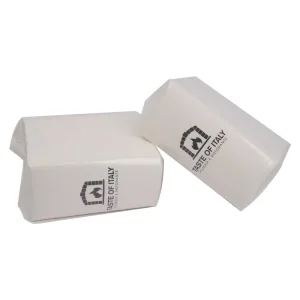
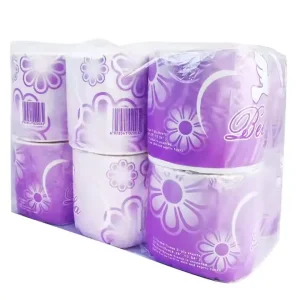
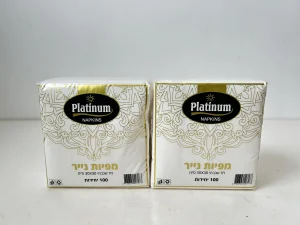
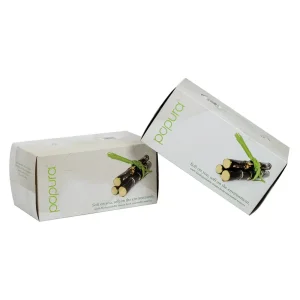
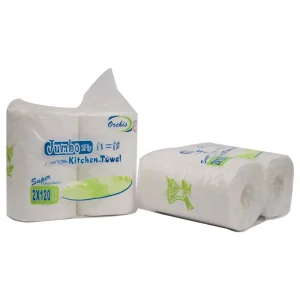
Explore our engineered line of virgin pulp tissues, ultra-absorbent kitchen rolls, and durable table napkins optimized for global distribution.
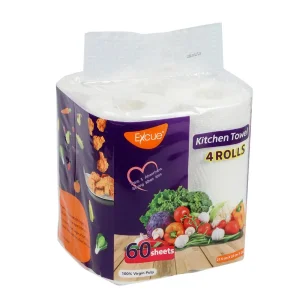
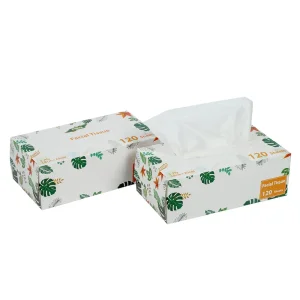
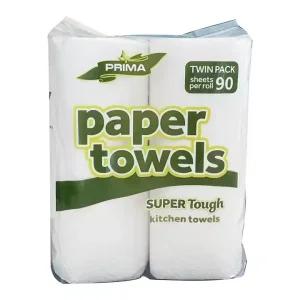
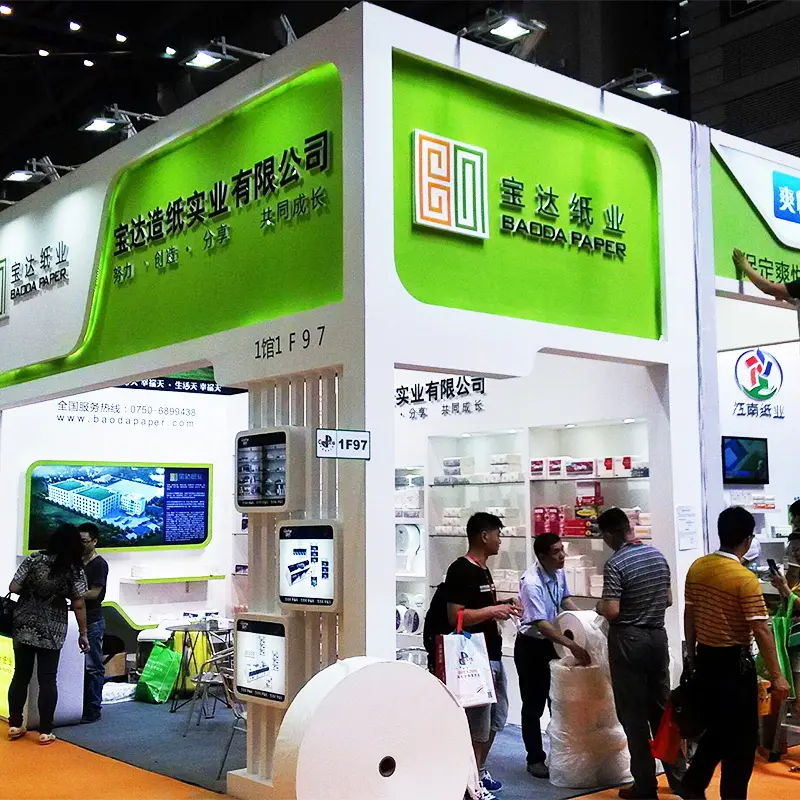
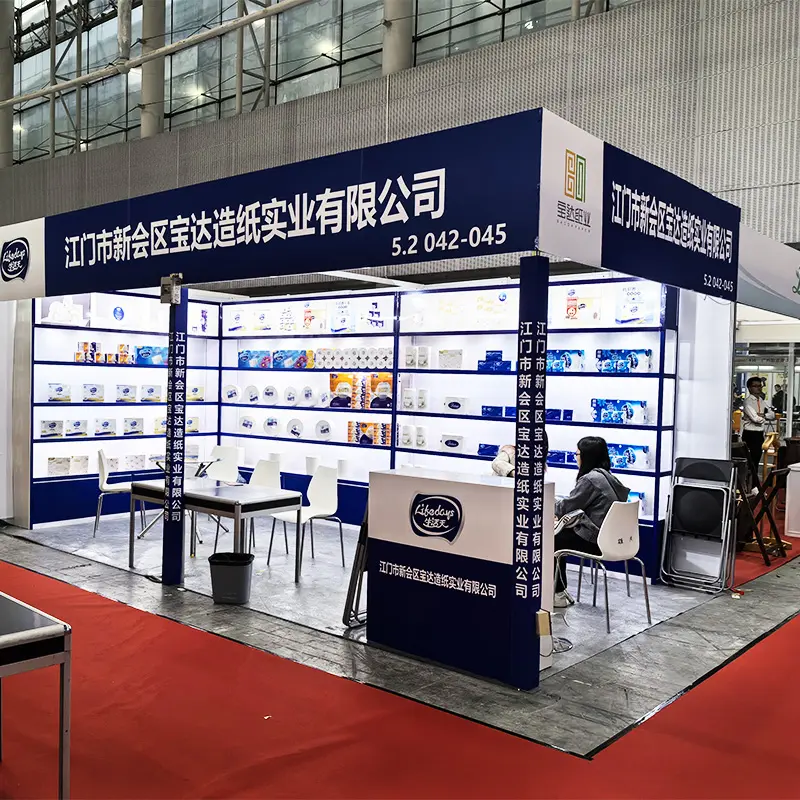
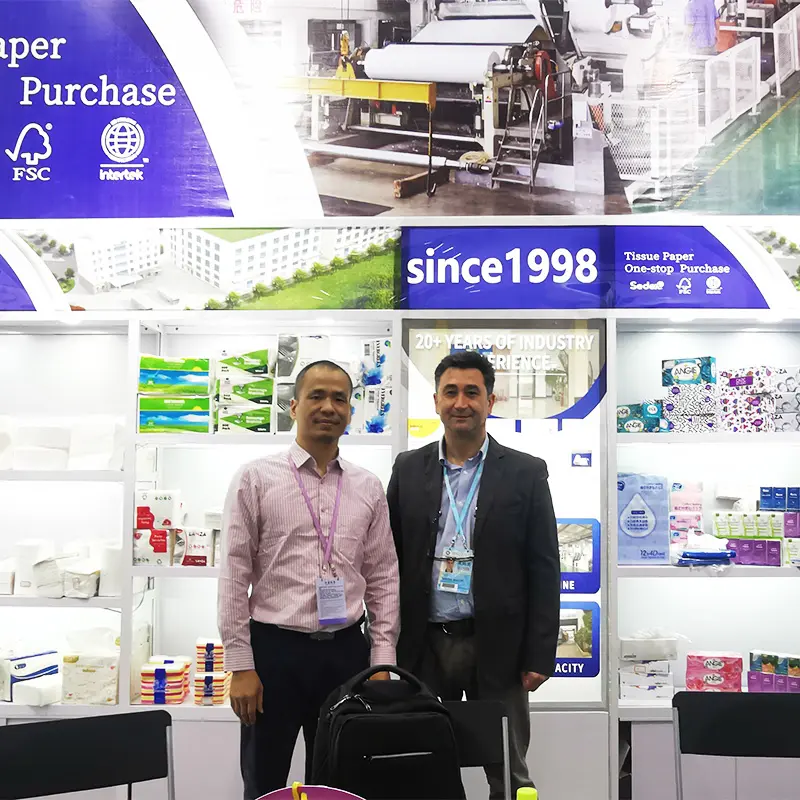
For over 27 remarkable years, since our inception in 1998, Baoda Paper Co., Ltd. has stood as an unwavering cornerstone of China's tissue paper industry, evolving from a domestic manufacturer into a globally recognized force. We have meticulously built our legacy on a formidable foundation of advanced manufacturing excellence and an unwavering commitment to quality.
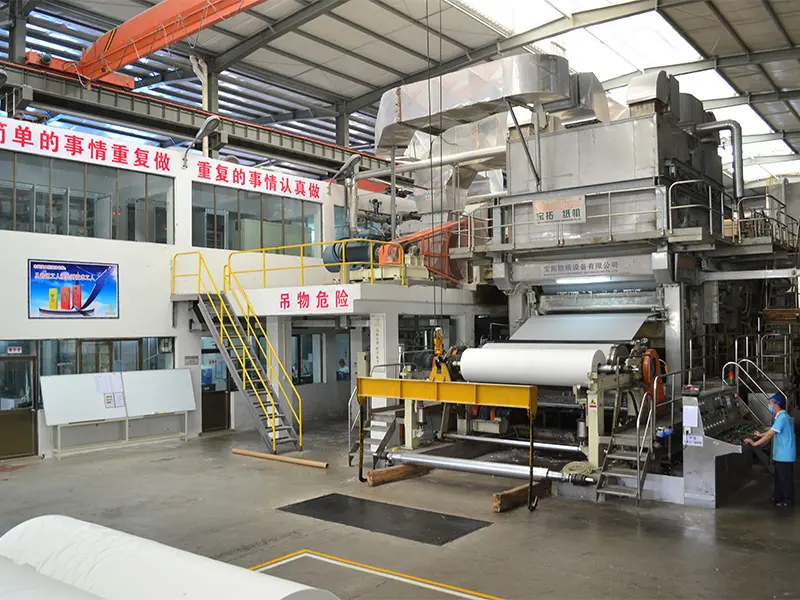
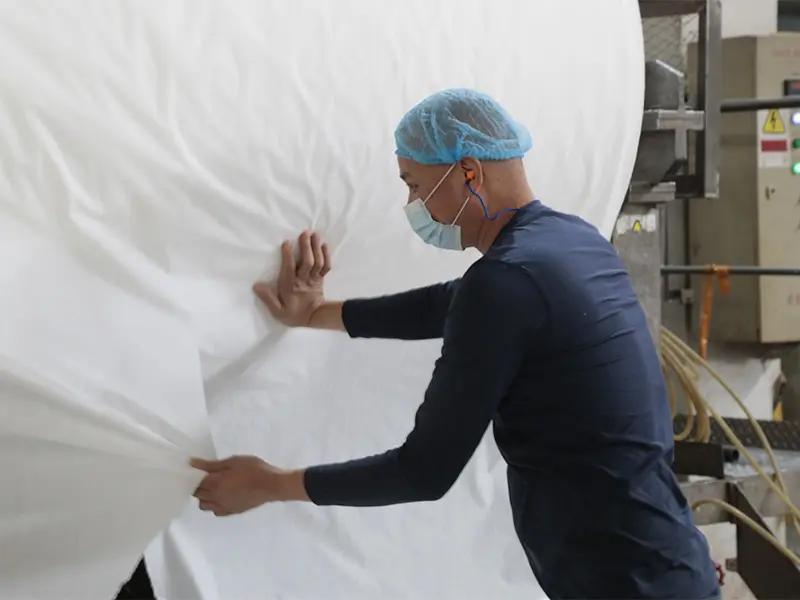
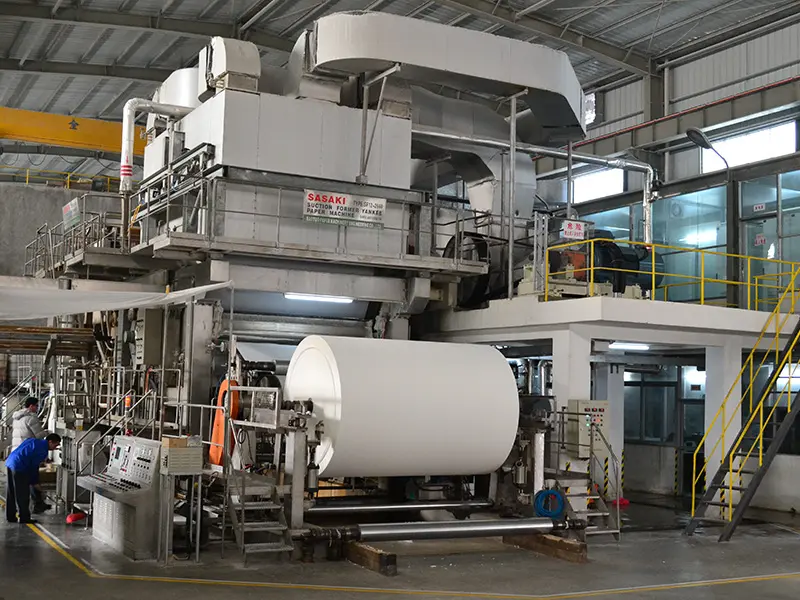
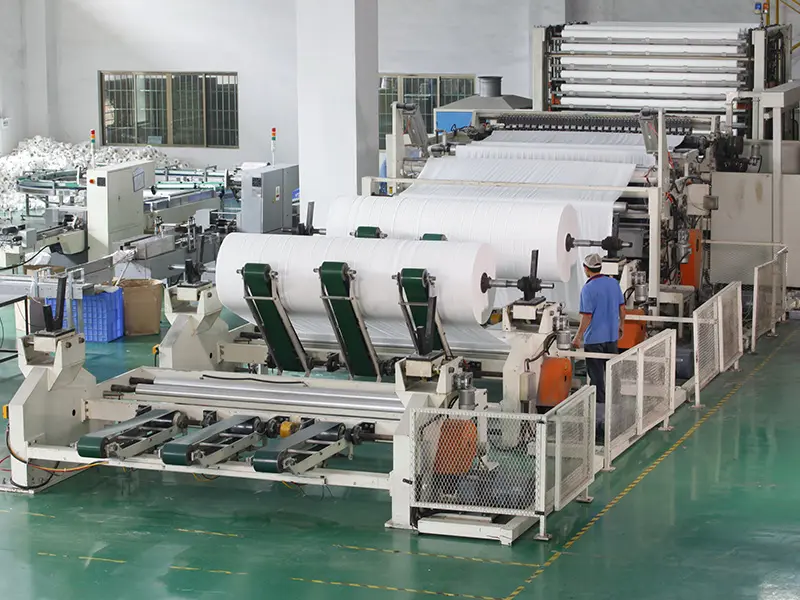
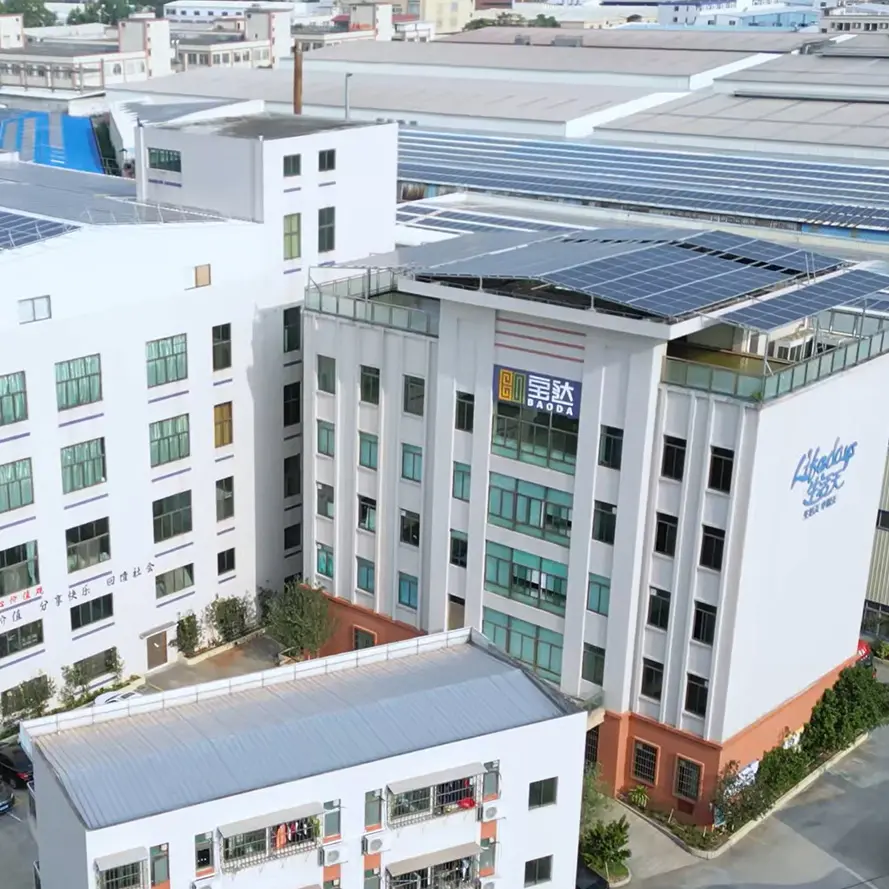
Our modern, sprawling complex, exceeding 20,000 square meters, is a testament to this commitment. Within its walls, we house state-of-the-art, imported high-speed paper machines and sophisticated automated processing lines. This powerful infrastructure is the engine behind our impressive annual production capacity of over 30,000 tons, enabling us to meet large-scale demands without compromising on the consistent quality that defines the Baoda name.
Understanding the diverse paths to market success, our business model is both robust and flexible. While we proudly market three successful self-owned brands, we are also a premier partner for clients seeking to build their own product lines. We specialize in tailored ODM (Original Design Manufacturing), OEM (Original Equipment Manufacturing), and OBM (Original Brand Manufacturing) services, working collaboratively to bring our clients' unique visions and brand identities to life with precision and expertise.

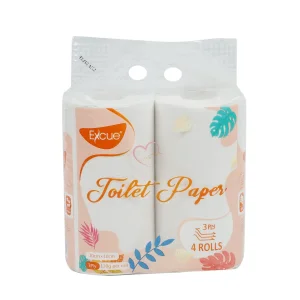
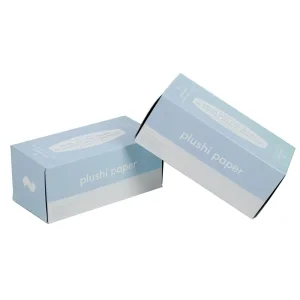
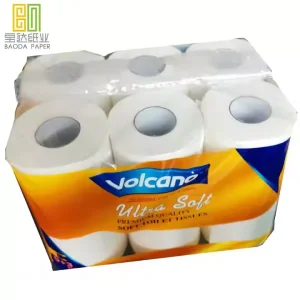
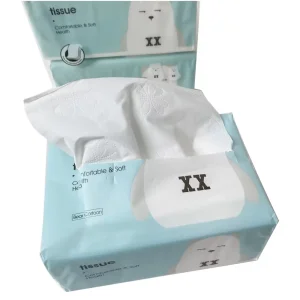
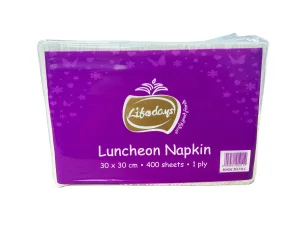
Our comprehensive and curated product portfolio is designed to provide complete one-stop solutions for diverse market needs. We offer an extensive range of products, from essential household items like premium toilet rolls, versatile kitchen towels, and soft facial tissues to convenient and hygienic pocket tissue packs for on-the-go use.
This dedication has earned us the trust of a vast network of over 10,000 global leaders in retail and distribution, including renowned giants such as Walmart and Watsons. Our high-quality products and reliable service have enabled us to build a robust international distribution network spanning more than 60 countries across the Americas, Europe, Asia, and Australia, with significant presence in key markets like the United States and Australia.
Through decades of innovation and consistent delivery, Baoda Paper has become more than just a manufacturer; we are a symbol of quality, reliability, and partnership in the dynamic global tissue market.
An authoritative breakdown of raw materials, market demands, and global manufacturing ecosystems in the sanitary paper sector.
The global tissue paper market is undergoing a structural shift driven by urbanization, rising hygiene consciousness in emerging economies, and the growing demand for sustainable, biodegradable products. Valued at over USD 80 billion globally, the industry relies heavily on efficient manufacturing operations located close to fiber sources or main shipping hubs. China has emerged as the world's primary manufacturing powerhouse for toilet tissue, kitchen paper towels, and facial wipes, leveraging integrated supply chains, automated wood-pulp processing, and deep-water ports for seamless export.
As logistics and energy costs fluctuate, major buyers (such as commercial distributors, hotel supply networks, and private-label retail chains) prioritize manufacturers that offer stable raw material pricing and vertically integrated processes. Modern factories leverage high-speed machinery to maximize throughput, reduce energy consumption, and manage water resources efficiently, turning tissue roll production from a commoditized operation into a highly advanced, chemical-engineered process.
Understanding fiber architecture is crucial for volume procurement. Global quality rating metrics categorize tissue products based on raw material source, tensile strength, softness, and flushability:
| Material Type | Tensile Index (MD) | Softness Rating | Primary Target Market | Environmental Profile |
|---|---|---|---|---|
| 100% Virgin Wood Pulp | Excellent (>12 N/m) | Ultra-Soft (Premium) | Retail, Hotels, Residential | FSC Certified, 100% Biodegradable |
| Bamboo Pulp (Organic) | Superior (>15 N/m) | Medium-Soft | Eco-Brands, Natural Markets | Rapidly Renewable Resource |
| Mixed Pulp (Blend) | Standard (>10 N/m) | Standard | Commercial, Corporate Offices | Balanced Carbon Footprint |
| Recycled Pulp | Moderate (>8 N/m) | Basic | Public Facilities, Airports | Zero Virgin Fiber Use |
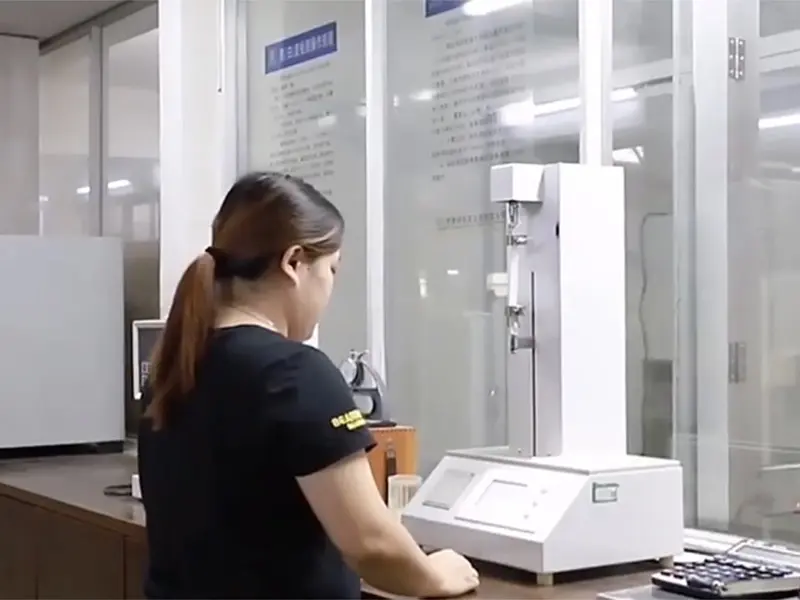
How Baoda Paper integrates AI-assisted quality control, high-efficiency equipment, and stringent testing methodologies.
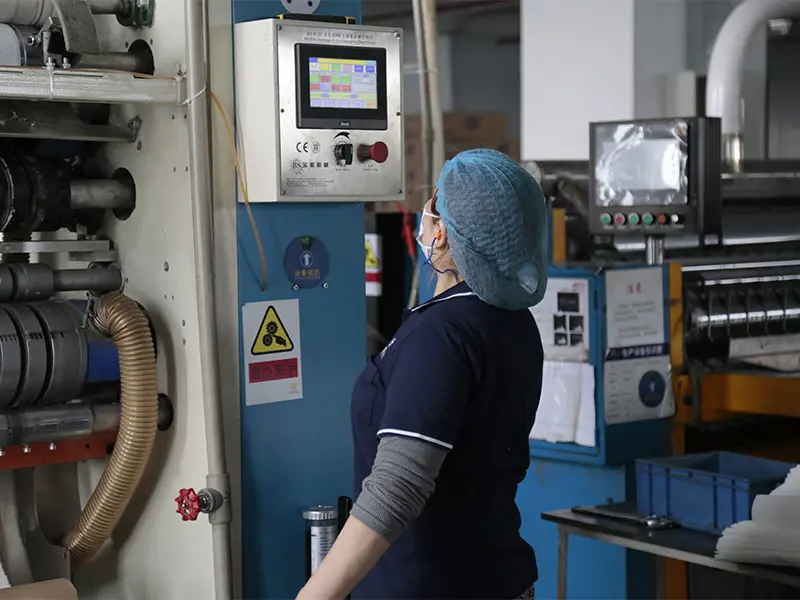
Utilizing advanced visual inspection cameras during the slitting and winding phases to detect and reject pinholes, dust, and uneven grammage in real-time.
Adjustable parameters for GSM (13g to 22g), multi-ply configurations (1-ply, 2-ply, 3-ply, 4-ply), and custom point-to-point micro embossing patterns.
Water recycling systems recover up to 92% of manufacturing water. Carbon emissions are mitigated through optimized thermal recovery in Yankee dryers.
The softness and efficiency of toilet tissue rolls are not accidental; they are products of polymer engineering, thermodynamic control, and precision mechanical embossing. The creping process (creping ratio typically adjusted between 15% and 25%) uses a creping doctor blade against a steam-heated Yankee cylinder. This process breaks the inter-fiber hydrogen bonds of the paper web, creating a micro-folded structure that gives the paper bulk, soft tactile properties, and stretchability.
Modern production facilities utilize double-embossing and glue lamination (for multi-ply sheets) to trap air pockets within the layers, significantly increasing liquid absorption speed and capacity. Furthermore, flushability is calibrated by testing the dry tensile strength versus the wet tensile decay rate: a high-quality roll maintains structural integrity during use but rapidly disintegrates within 30-60 seconds in turbulent toilet water, preventing pipe blockages in municipal sewage systems.
Sourcing strategies must adapt to the final consumption environment. We specialize in tailoring roll designs to match regional architectural plumbing, climate conditions, and consumer expectations:
Because tissue products are light but bulky, sea freight costs can heavily impact unit margins. Our logistics team employs high-density compression packaging and customized roll core dimensions to maximize the load volume inside 40HQ shipping containers, reducing average ocean freight costs per carton by up to 18%.
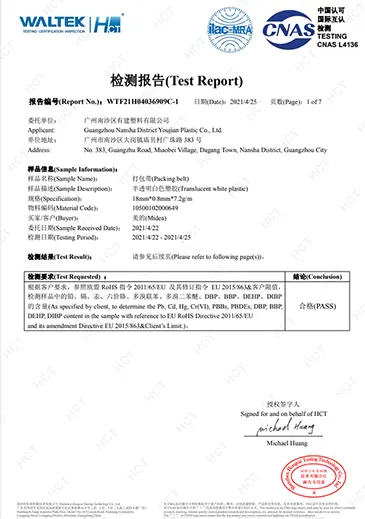
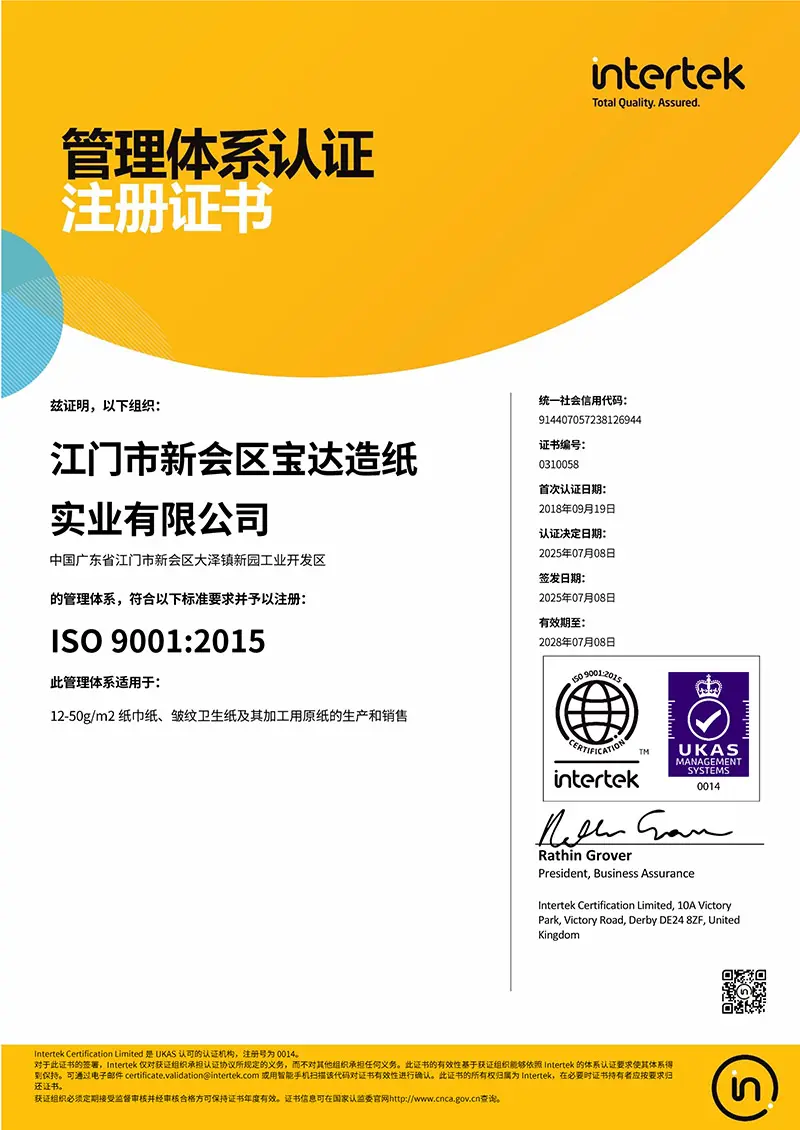
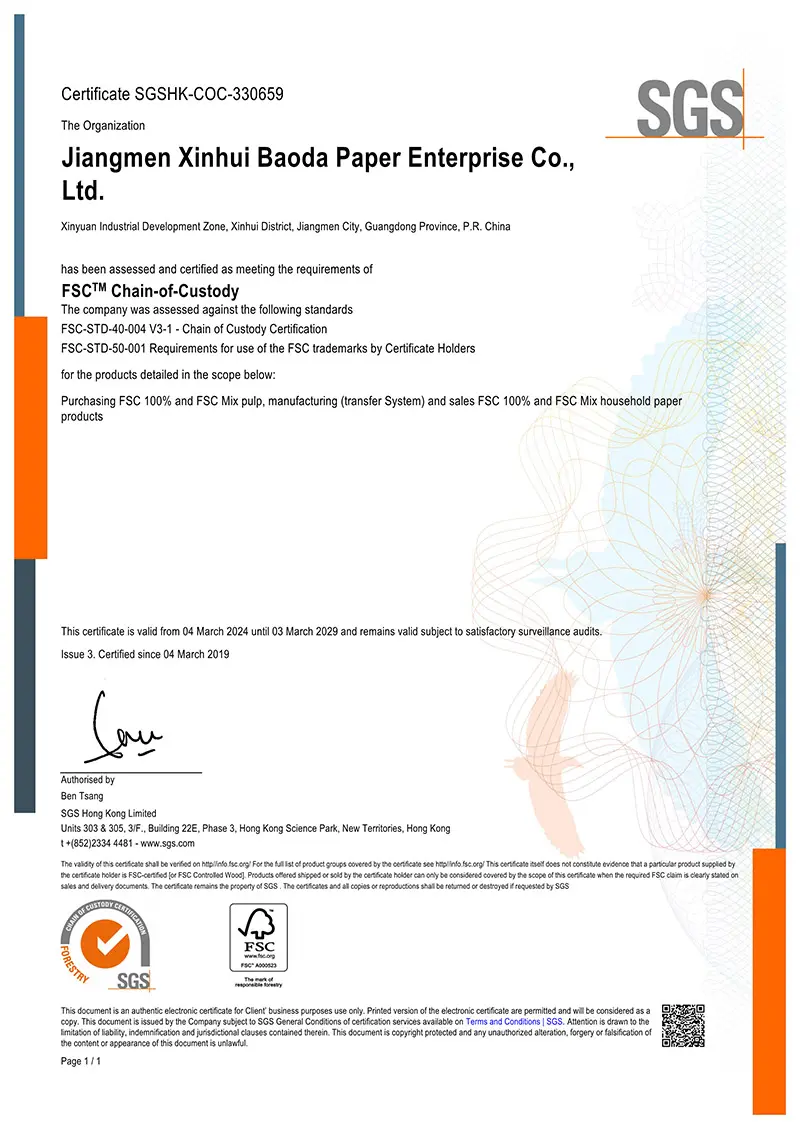
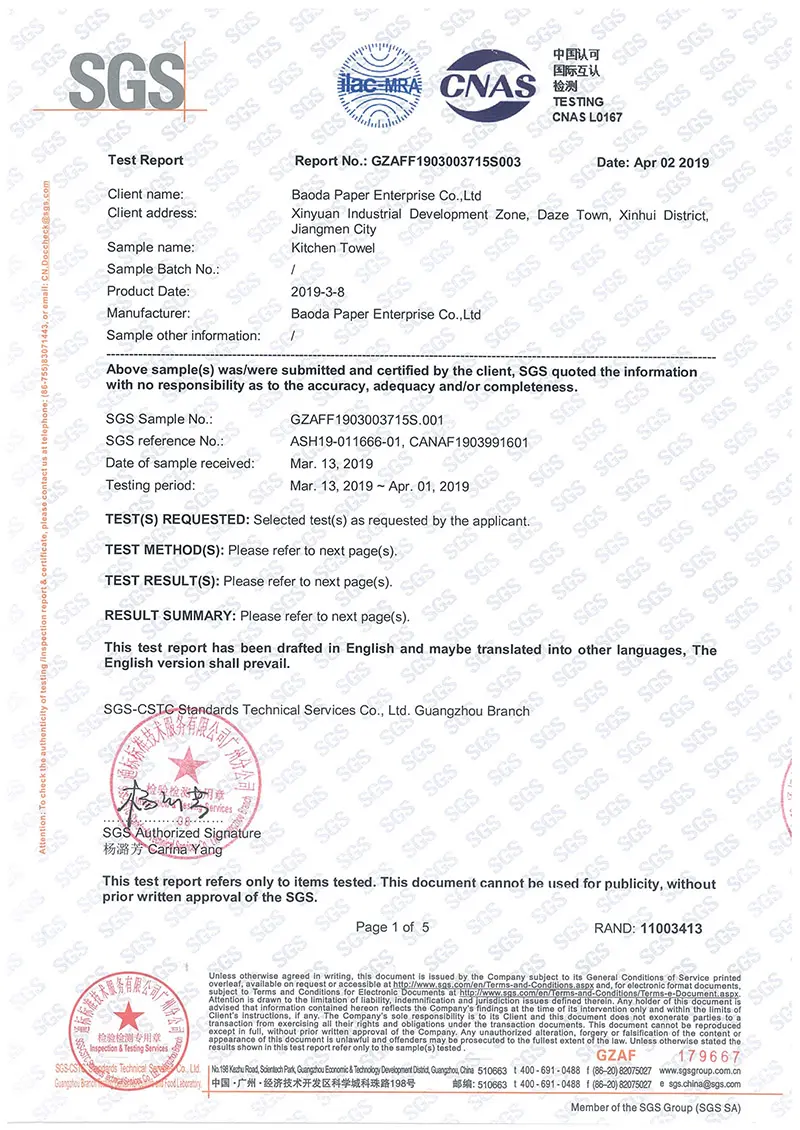
Our operations are audited under international quality standards to guarantee environmental compliance and consumer safety.
Technical and commercial clarifications regarding bulk imports, product customization, and factory operations.
Further explore our comprehensive commercial line, engineered for restaurants, high-traffic venues, and professional cleaning applications.
 BAODA PAPER