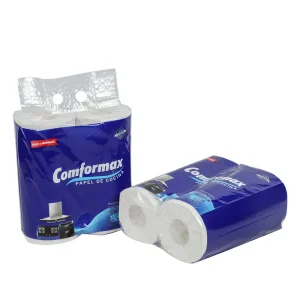
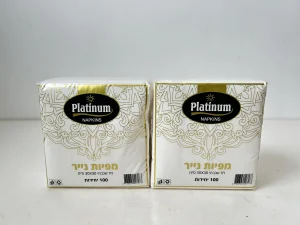
High-performance hygiene rolls engineered with premium cellulose structures, optimized for consumer, commercial, and industrial bulk demands.
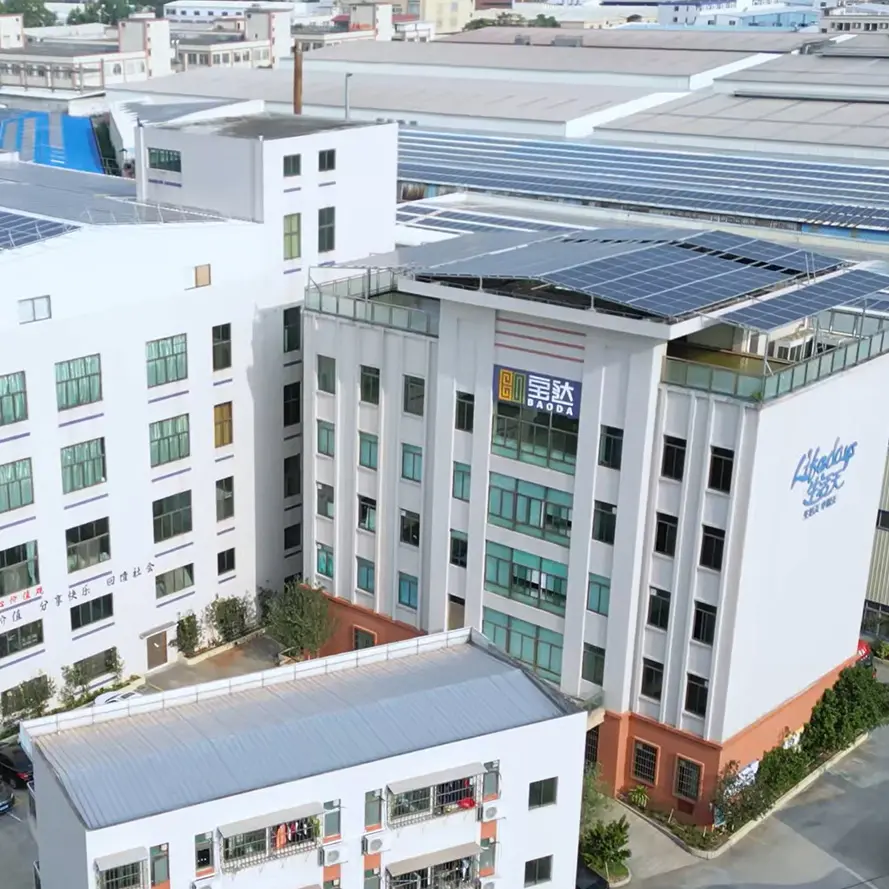
For over 27 remarkable years, since our inception in 1998, Baoda Paper Co., Ltd. has stood as an unwavering cornerstone of China's tissue paper industry, evolving from a domestic manufacturer into a globally recognized force. We have meticulously built our legacy on a formidable foundation of advanced manufacturing excellence and an unwavering commitment to quality.
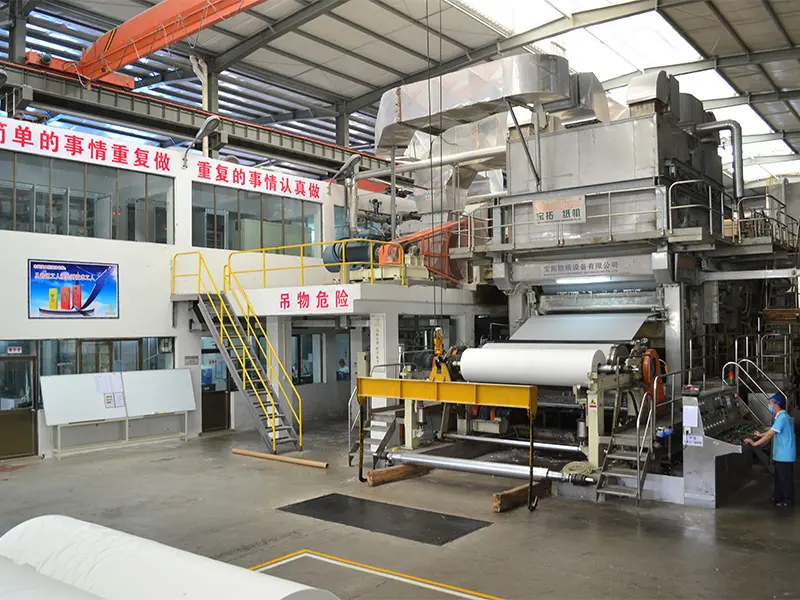
Our modern, sprawling complex, exceeding 20,000 square meters, houses state-of-the-art, imported high-speed paper machines and sophisticated automated processing lines. This powerful infrastructure is the engine behind our impressive annual production capacity of over 30,000 tons, enabling us to meet large-scale demands without compromising on the consistent quality that defines the Baoda name.

An authoritative study on cellulose chemistry, embossing configurations, global supply chain optimization, and compliance protocols for global distributors.
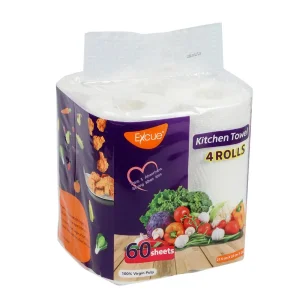
The performance of high-quality kitchen tissue paper is dictated by the structural configuration of its raw pulp fibers. When engineering kitchen towels, the balance between water retention capacity and wet tensile strength is paramount. Virgin wood pulp, specifically the combination of long-fiber softwood kraft pulp (derived from conifers) and short-fiber hardwood kraft pulp (derived from broadleaf trees), forms the baseline of our raw materials.
Long softwood fibers provide the physical web that gives the sheet its mechanical strength and tear resistance when saturated with liquids. Hardwood fibers, with their shorter lengths and higher density of hemicellulose structures, enhance the bulk softness, compressibility, and surface touch of the paper. By optimizing this ratio at approximately 70% short-fiber and 30% long-fiber, Baoda achieves a high-bulk sheet that retains structural integrity without compromising absorption dynamics.
Furthermore, we employ food-contact-safe wet strength agents, such as polyamide-epichlorohydrin (PAE) resins. This chemical formulation introduces covalent cross-links between the cellulose chains, which are insoluble in water. As a result, the kitchen towel retains up to 30% of its dry tensile strength when wet, preventing disintegration during vigorous scrubbing or food preparation tasks.
Absorbency in kitchen tissues is not merely a product of chemical composition; it is heavily determined by the structural geometries introduced during the mechanical embossing process. We utilize two major embossing methodologies: nested embossing and point-to-point (P2P) embossing.
During nested embossing, the top ply and bottom ply are embossed with synchronized steel-to-rubber rolls. The protrusions of the top ply fit precisely between the depressions of the bottom ply. This creates micro-pockets within the sheet. The physical spacing acts as a capillary network, pulling liquids (water, oils, solvents) into the internal voids using the principles of capillary action, described by the Washburn Equation:
h = (2 * γ * cosθ) / (ρ * g * r)
Where h represents the height of liquid penetration, γ is surface tension, r is pore radius, and ρ is density. By engineering the pore radius r through micro-embossing patterns, we optimize both the speed of liquid uptake and the total saturation capacity, ensuring our kitchen rolls absorb up to 10 to 12 times their dry weight in fluids.
As a global supplier, Baoda resolves complex macroeconomic challenges for bulk importers and distributors. One of the primary constraints in the tissue paper trade is high volumetric shipping costs. Because tissue rolls contain significant trapped air in their matrices, uncompressed shipping leads to expensive freight rates.
To mitigate this, Baoda employs automated high-density compression winding machines. These systems tightly wind the rolls around durable, crush-resistant recycled paper cores, maximizing sheet count per cubic meter. During final packaging, rolls are shrink-wrapped in custom PE or biodegradable bags under slight compression, enabling importers to fit up to 15% more product into standard 40ft High Cube (HC) shipping containers, lowering per-unit transport costs.
The commercial demand for kitchen tissue rolls varies significantly by market. In North America, the preference leans toward high-basis-weight (GSM) 2-ply products with custom sheet sizing (Select-a-Size options). In contrast, the European market prioritizes sustainability indicators, including FSC (Forest Stewardship Council) raw pulp tracking and plastic-free paper packaging.
In the APAC region, multipurpose cleaning sheets with high oil absorption are favored. Baoda operates a highly flexible manufacturing line that can adjust sheet dimensions, perforation counts, and basis weights (from 18 GSM to 26 GSM per ply) to meet regional consumer preferences and retailer shelf dimensions.
Because kitchen paper rolls come into direct contact with food prep surfaces and food items, regulatory compliance is non-negotiable. Baoda operates under strict international certifications, ensuring that our products meet the required standards for key destination markets:
Certified under FDA Title 21 CFR §176.170, guaranteeing zero harmful chemical migration into aqueous and fatty foods during prep.
Regularly audited for chemical residues, heavy metals, optical brighteners, and formaldehyde to meet strict EU food contact laws.
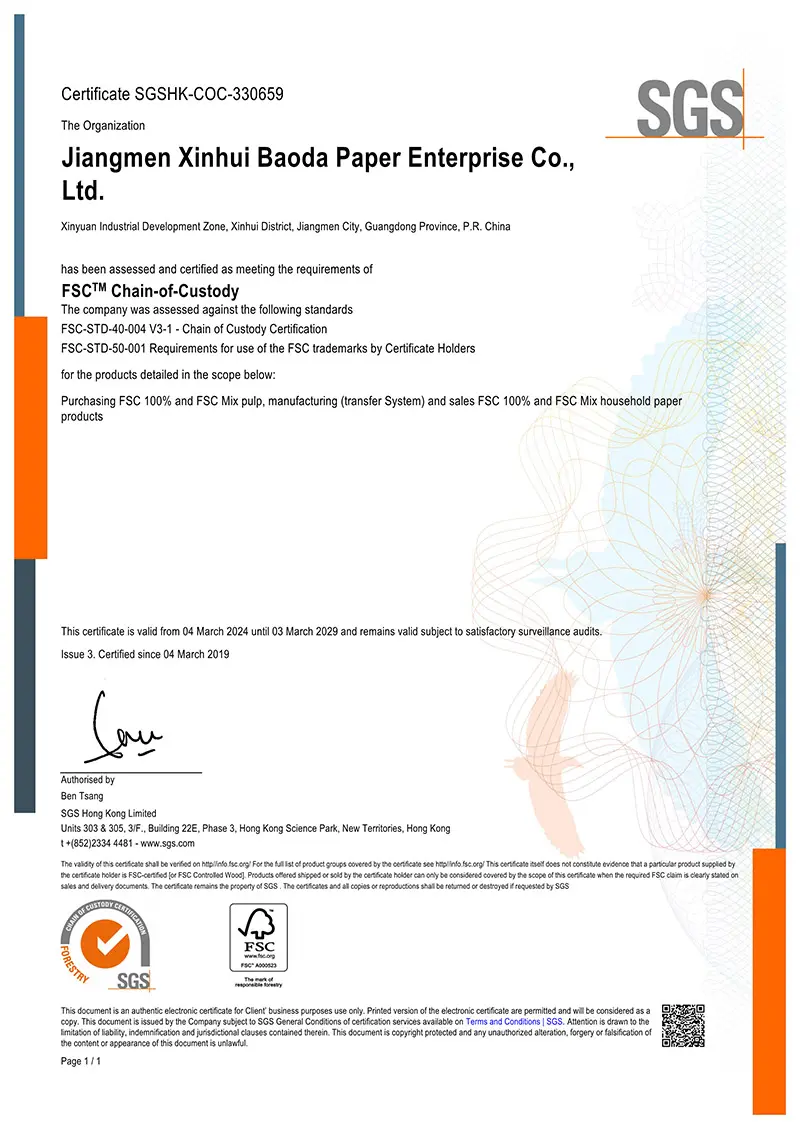
100% traceabilty of fiber resources, ensuring pulp is sourced exclusively from sustainably managed, non-endangered forests.
We also support our distributors with comprehensive import/export documentation, certificates of origin, and custom shipping arrangements, mitigating customs inspection delays in European, North American, and Australian ports.
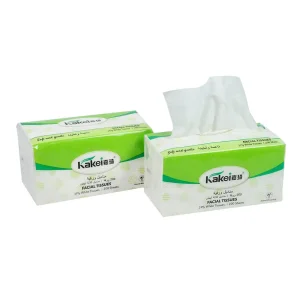
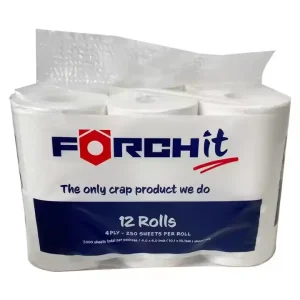
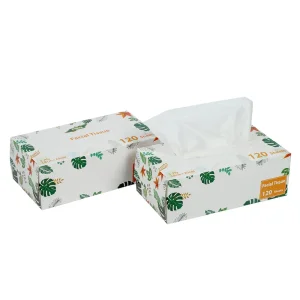
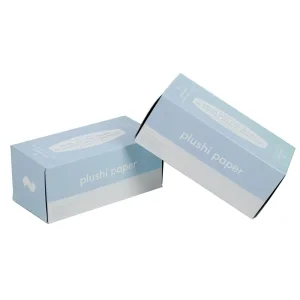
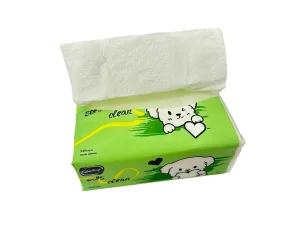
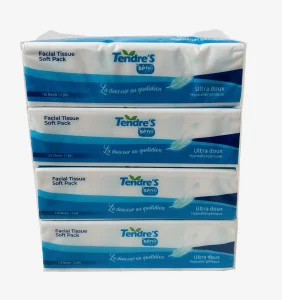
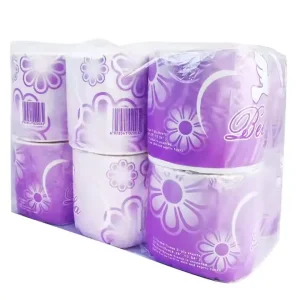
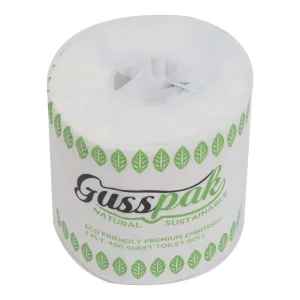
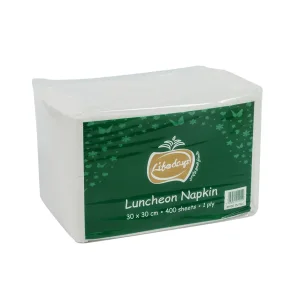
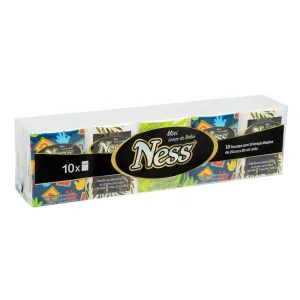
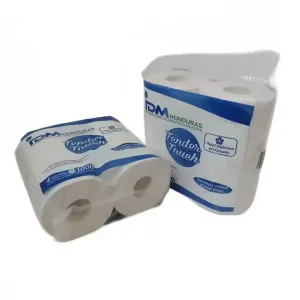
Our comprehensive and curated product portfolio is designed to provide complete one-stop solutions for diverse market needs. We offer an extensive range of products, from essential household items like premium toilet rolls, versatile kitchen towels, and soft facial tissues to convenient and hygienic pocket tissue packs for on-the-go use.
Understanding the diverse paths to market success, our business model is both robust and flexible. While we proudly market three successful self-owned brands, we are also a premier partner for clients seeking to build their own product lines. We specialize in tailored ODM (Original Design Manufacturing), OEM (Original Equipment Manufacturing), and OBM (Original Brand Manufacturing) services, working collaboratively to bring our clients' unique visions and brand identities to life with precision and expertise.
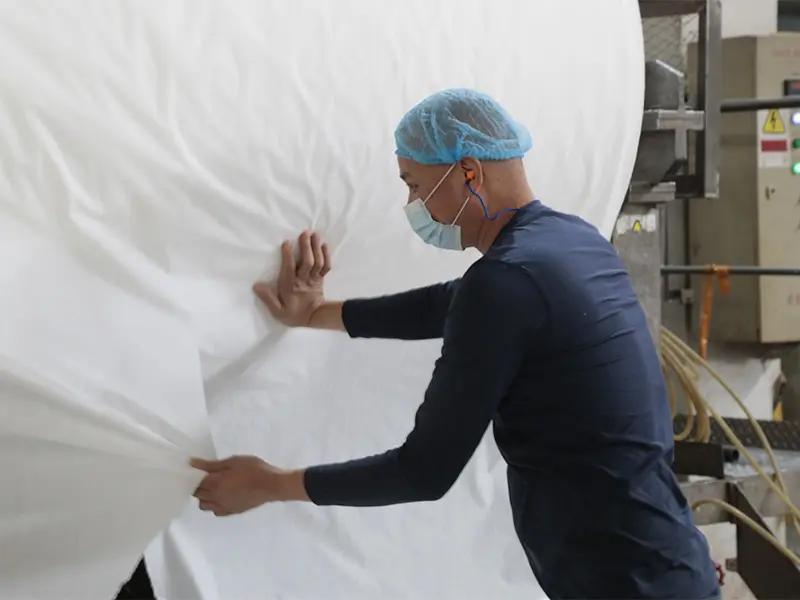
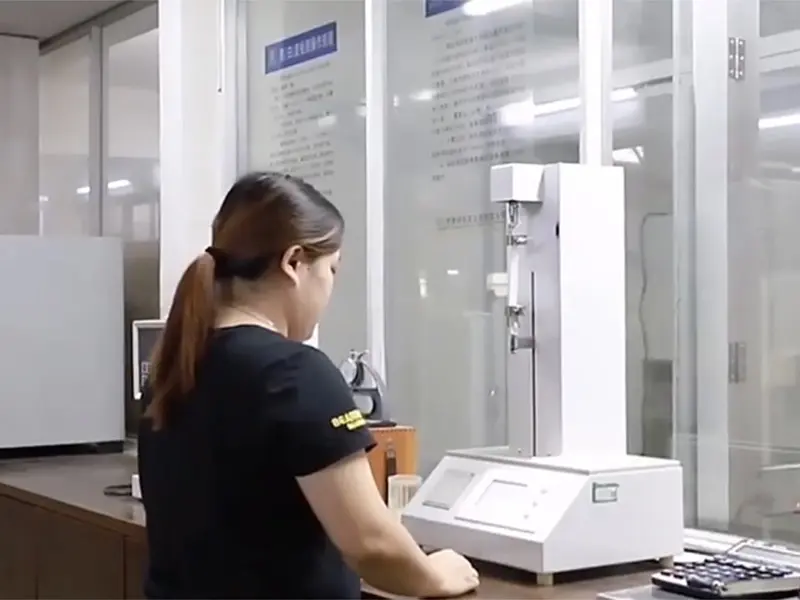
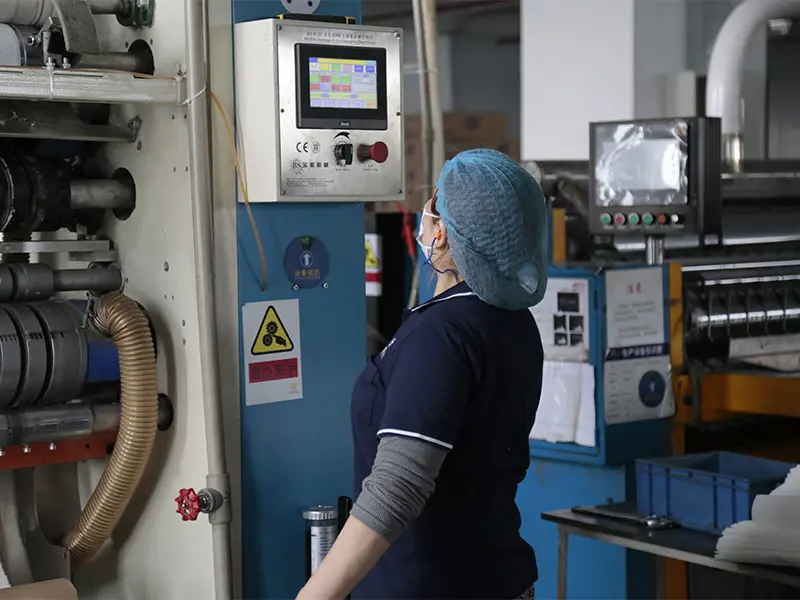
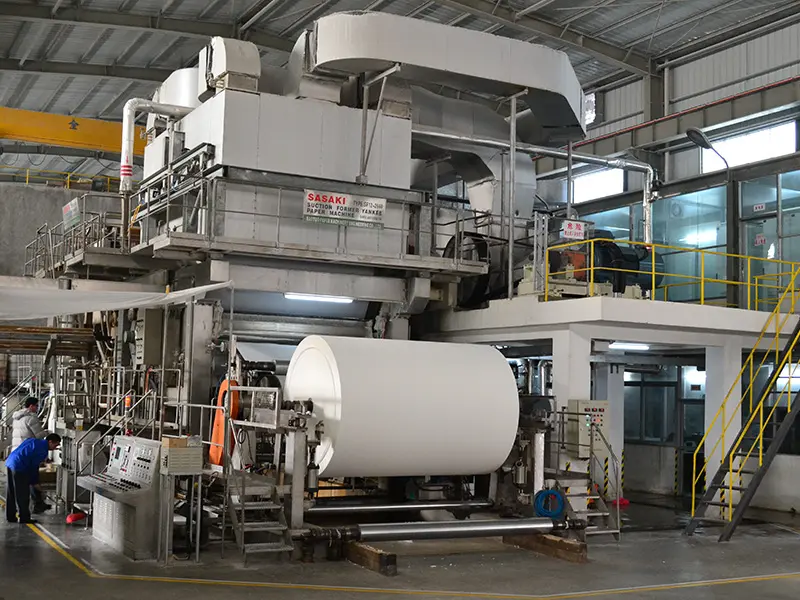
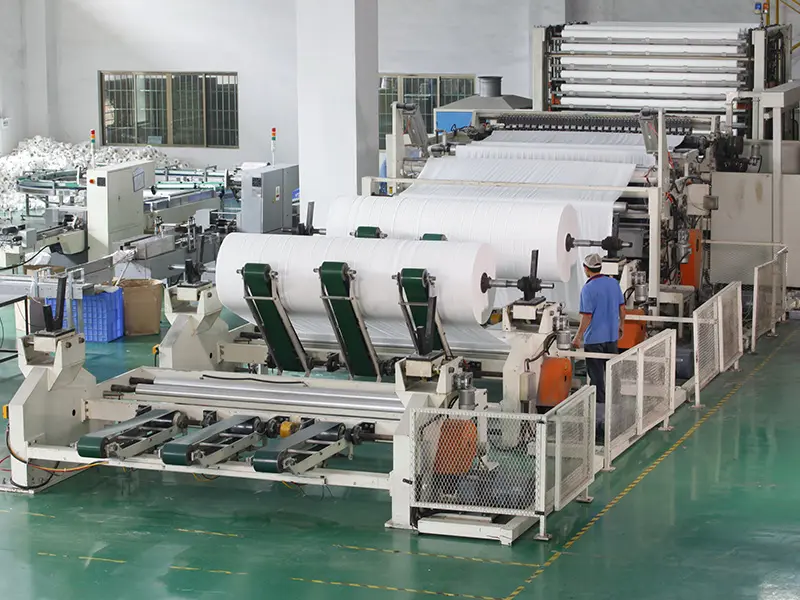
Why 10,000+ global retail and distribution leaders trust Baoda Paper for long-term strategic contracts.
This dedication has earned us the trust of a vast network of over 10,000 global leaders in retail and distribution, including renowned giants such as Walmart and Watsons. We are committed to ethical manufacturing, workplace safety, and energy conservation.
Our high-quality products and reliable service have enabled us to build a robust international distribution network spanning more than 60 countries across the Americas, Europe, Asia, and Australia, with significant presence in key markets like the United States and Australia.
Through decades of innovation and consistent delivery, Baoda Paper has become more than just a manufacturer; we are a symbol of quality, reliability, and partnership in the dynamic global tissue market, offering 24/7 client updates.
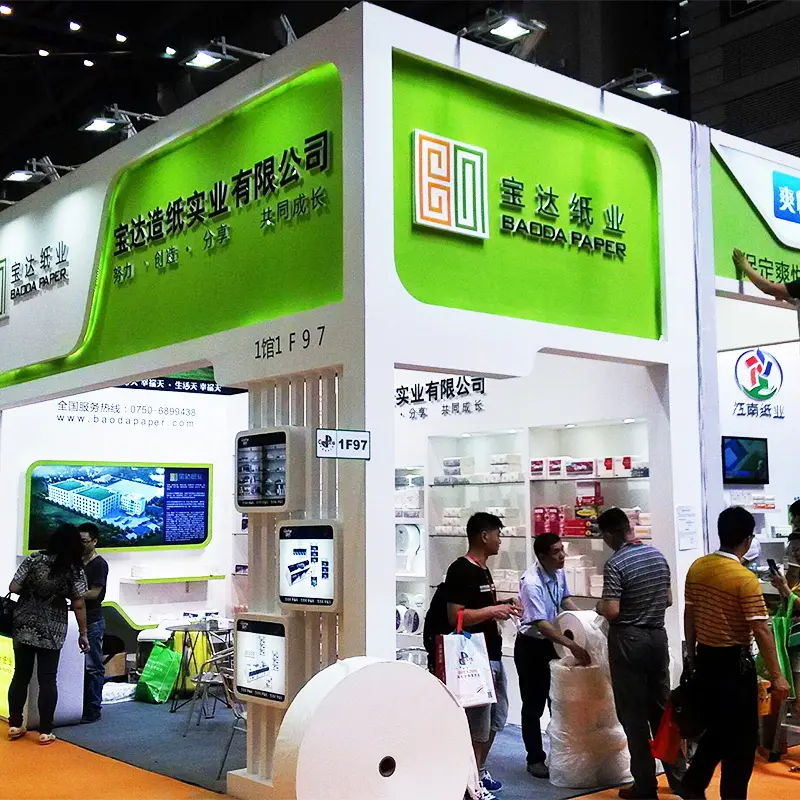
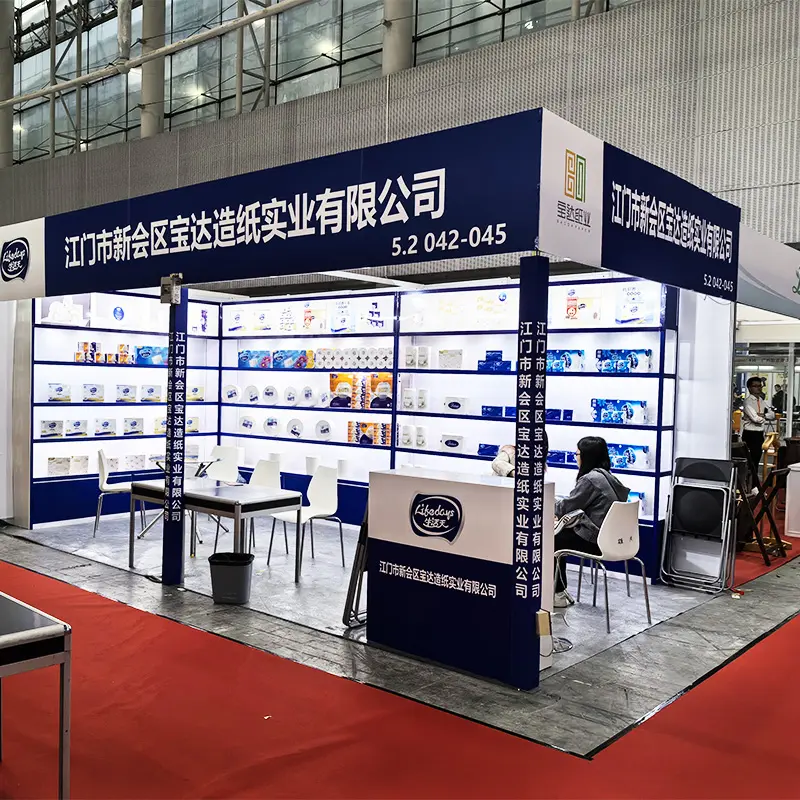
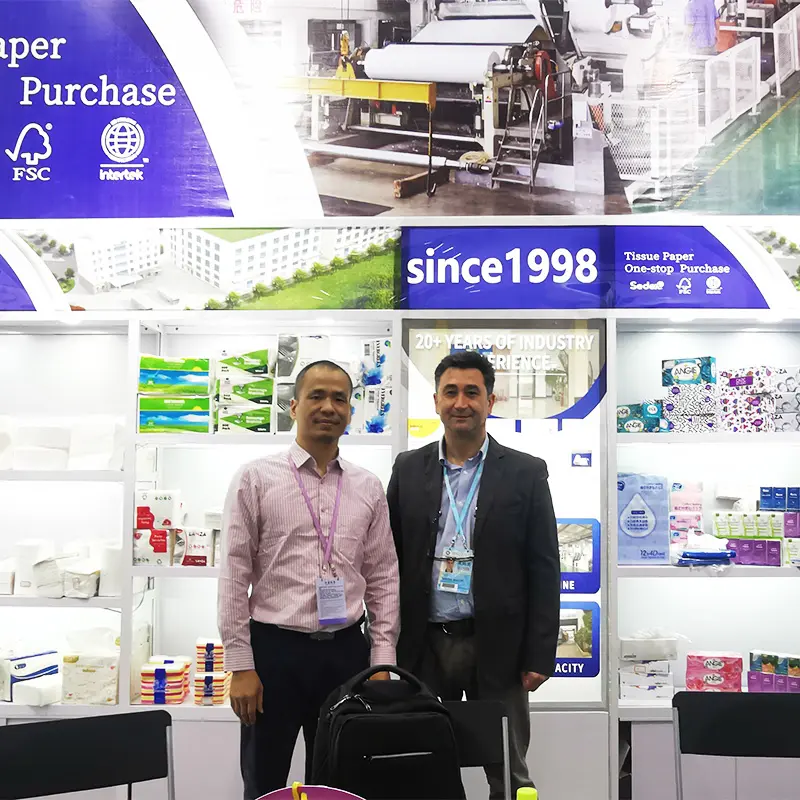
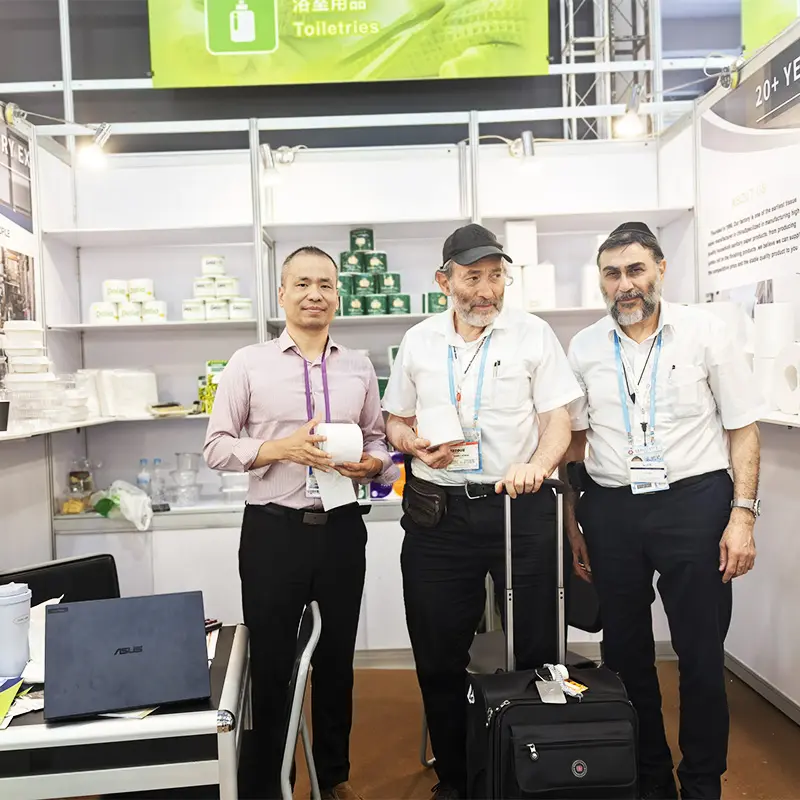
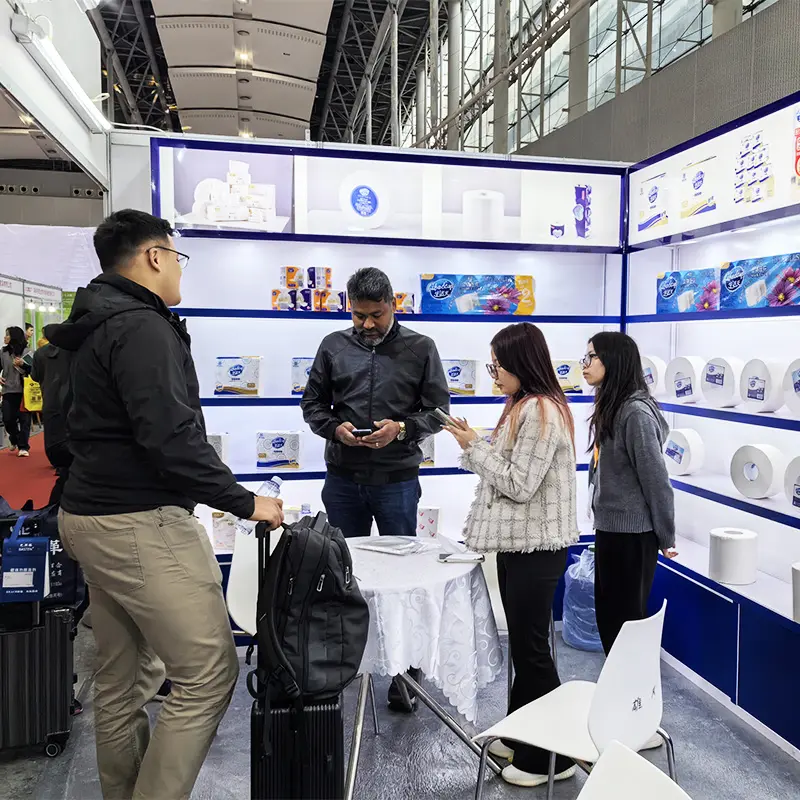
How Baoda is integrating automated AI monitoring and non-wood sustainable alternatives into our future production lines.
Baoda is actively upgrading our converting lines with machine-vision-based inspection hardware. As rolls are run on high-speed slitting lines at over 600 meters per minute, optical sensors scan 100% of the paper web surface for pinholes, spots, and inconsistent perforations. If a defect is flagged, the automated control system makes micro-adjustments to the tension rolls dynamically, maintaining consistent roll density.
As plastic-reduction regulations take effect in major export markets, Baoda is scaling up our capabilities for plastic-free packaging. We offer water-soluble paper wrapping options, allowing clients to present completely plastic-free product lines. In parallel, our factory has optimized energy recovery loops on Yankee drying cylinders, recycling hot steam back into the pulp drying loop to reduce overall carbon emissions per ton of paper produced by 18%.
In addition to premium virgin wood pulp, we are expanding our raw material testing to include fast-growing bamboo fibers and bagasse (sugar cane extraction residues). Bamboo fibers feature unique long-fiber characteristics that replicate the wet strength of softwood pulp, making them an excellent choice for eco-conscious brands looking to transition away from traditional forestry products while maintaining high absorbency.
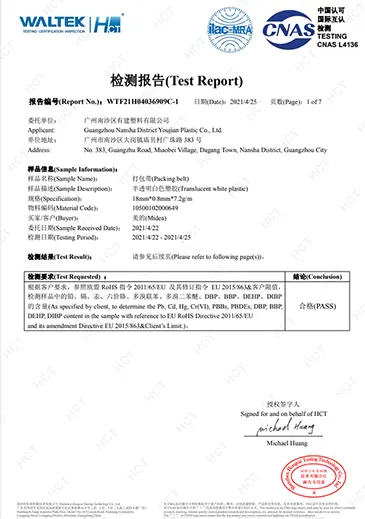
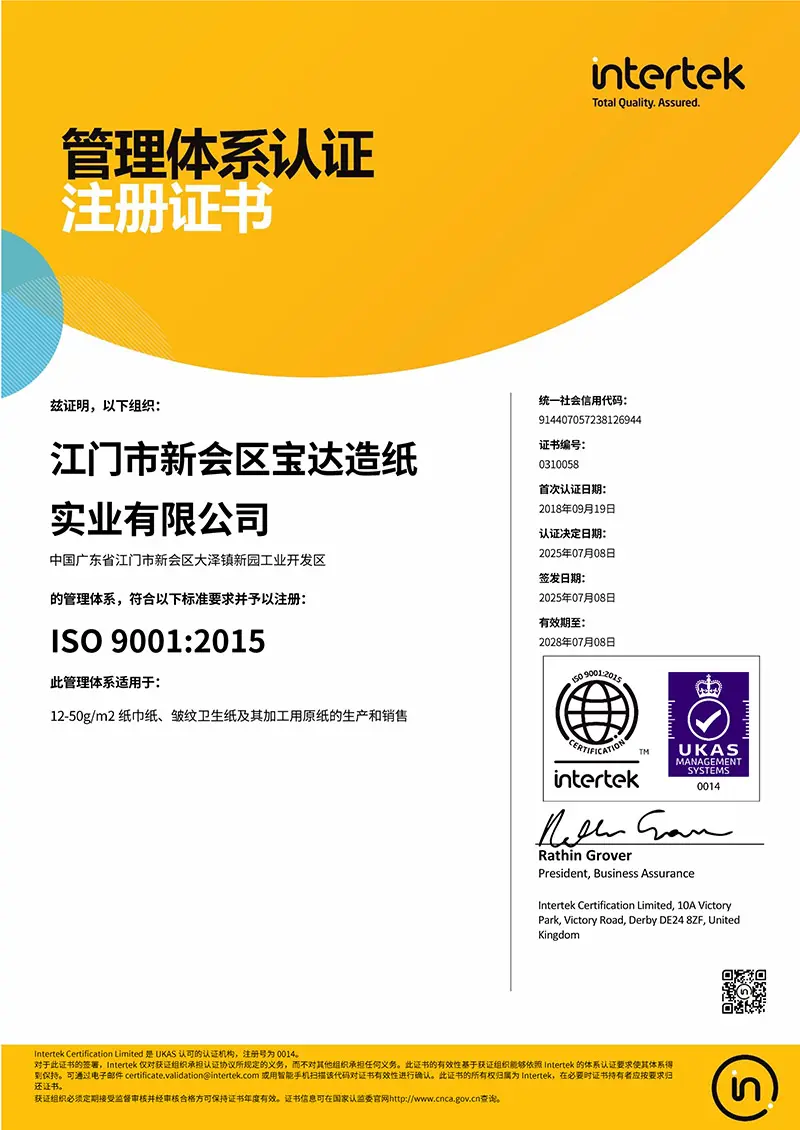
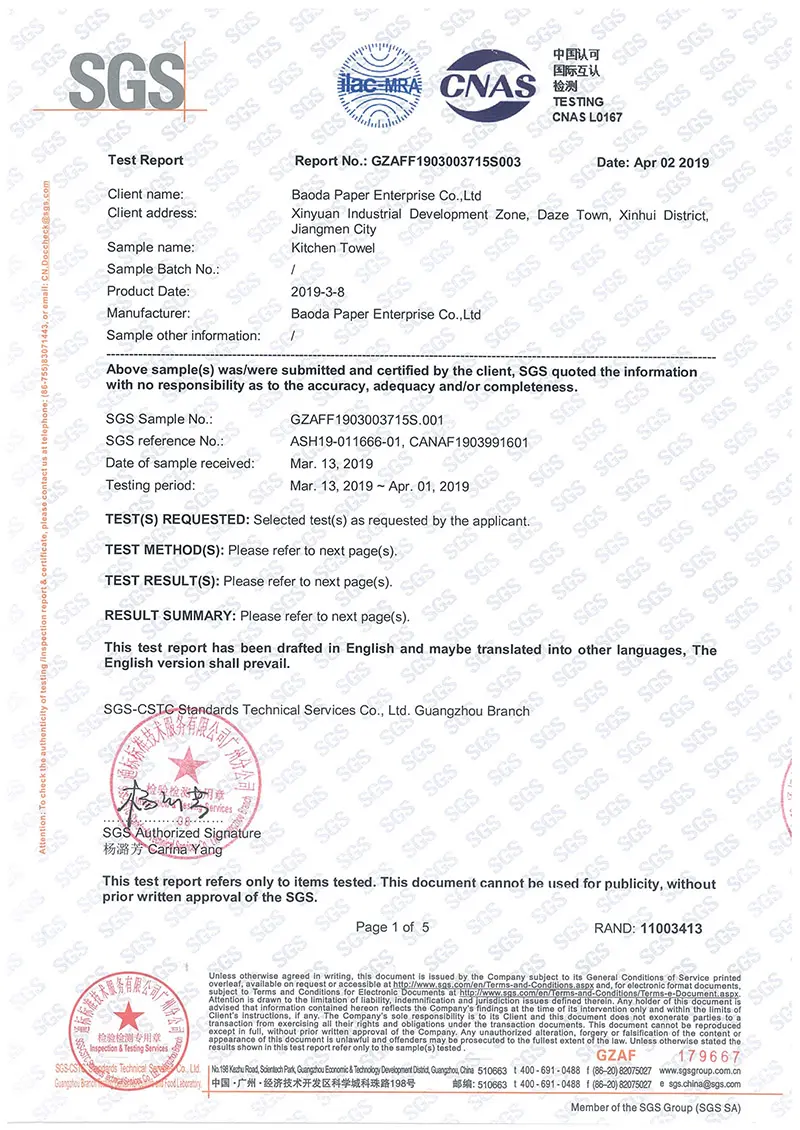
Our processes, raw materials, and finished goods are audited and approved by top global standard organizations.
Explore our expanded line of commercial kitchen, restroom, and specialized retail paper products.
Key technical and logistical information required for seamless sourcing from China.
For standard specifications utilizing our stock roll widths, the MOQ is 10,000 rolls. For custom private-label embossing, specialized core sizes, or custom outer print configurations, the baseline MOQ is typically one 20ft container (approx. 25,000 to 30,000 rolls depending on roll configuration and dimensions).
All our kitchen paper rolls undergo rigorous testing by third-party testing institutions such as SGS and TUV. We test for chemical residues including phthalates, heavy metals, formaldehyde, and optical brighteners. The test certifications are updated annually to ensure absolute compliance with EU Regulation (EC) 1935/2004 and FDA Title 21 rules.
Yes. Our graphic design and packaging engineering departments specialize in compliance printing. We configure your artwork for multi-lingual consumer markets (e.g. English, Spanish, French, Arabic), generate EAN/UPC retail barcodes, and apply required recycling symbols (such as PAP 21 or RESY) to meet target market regulations.
For first-time orders involving customized plate making and packaging mock-ups, the production lead time is 25 to 30 days. For repeat orders with pre-existing design files, the lead time is reduced to 15 to 20 days. Standard shipping from our factory to the nearby export terminals (like Shenzhen or Guangzhou ports) takes 2 to 3 days.
Point-to-point (P2P) embossing creates larger internal air cells between the sheets, which makes the paper roll feel thicker and more premium at a lower basis weight. This means we can achieve a highly absorbent, premium-feeling sheet while reducing raw pulp consumption, allowing you to offer a high-quality product at a highly competitive wholesale price.
 BAODA PAPER