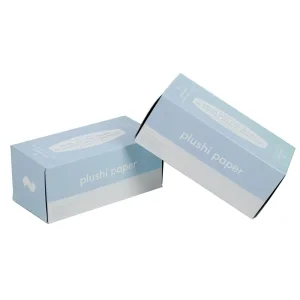
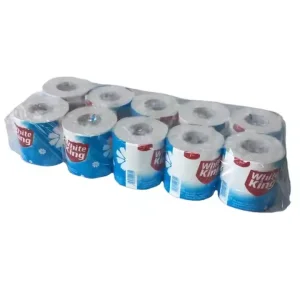
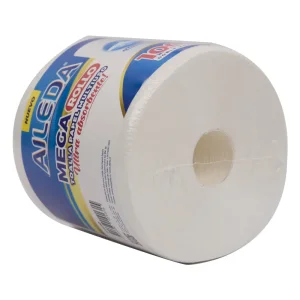
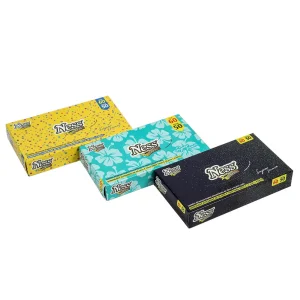
The global commercial tissue sector is experiencing a paradigm shift. In a resource-constrained economic environment, enterprise procurement teams are look past basic cost-per-roll calculations. They now analyze structural parameters: fiber density, spatial footprints in warehouse networks, chemical treatment pathways, and verified sustainable extraction chains. Compact roll design represents a milestone in structural hygiene engineering. Minimizing core diameters and increasing winding tension densities lets manufacturers double linear roll lengths while keeping diameter profiles compatible with standardized commercial dispensers.
For B2B distributors and enterprise retailers, compact roll architecture delivers measurable savings in transport costs and inventory space. Standard bulk tissue transport typically ships high ratios of void space, but compact designs increase package density. This optimization yields a higher carbon-efficiency profile and lowers transit emissions per metric ton. Compact rolls reduce structural void space by up to 35%, cutting down delivery runs and freight fees across long-haul marine shipping routes.

By blending long-fiber softwood pulp with short-fiber eucalyptus pulp, we achieve high tensile strength alongside softness. This blend increases burst resistance when wet, ensuring the tissue functions reliably even under high tensile stress.
Free from optical brighteners (OBA) and chlorine treatments, our formulas protect sensitive skin. Maintaining elemental chlorine-free (ECF) processing helps us meet strict international biological safety regulations.
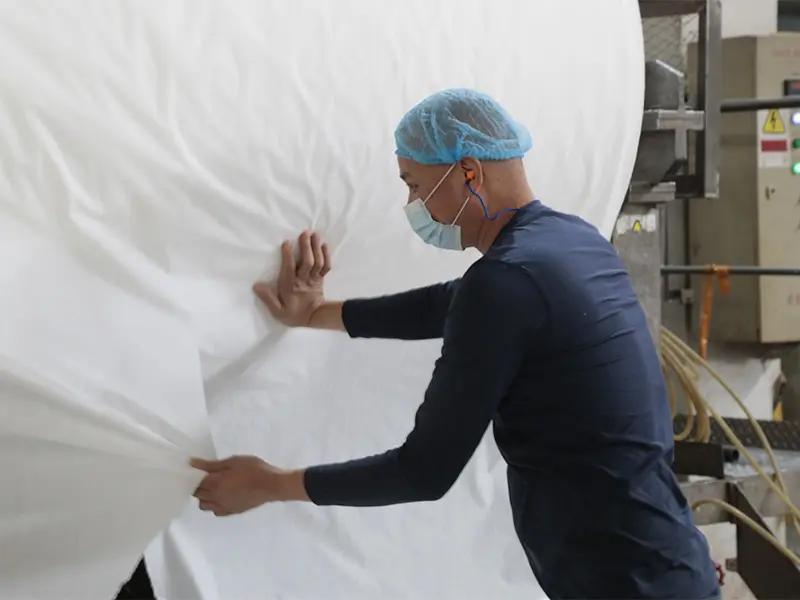
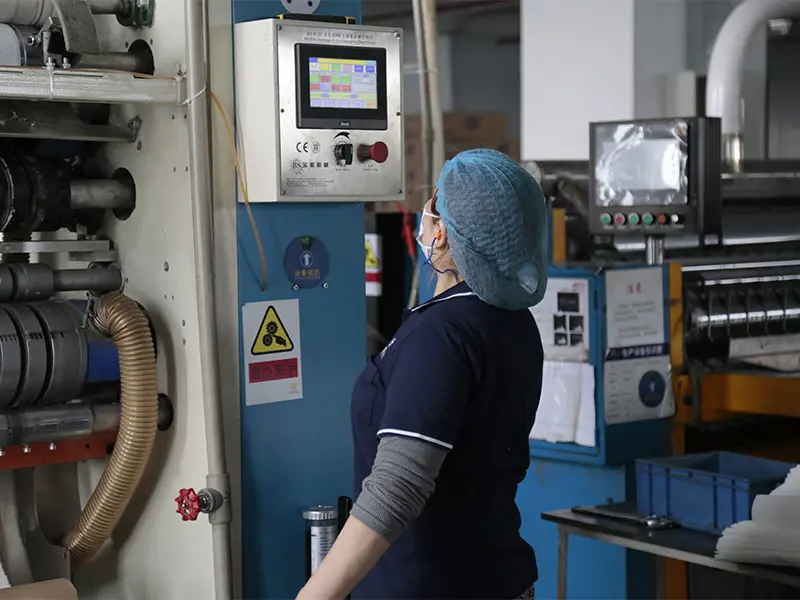
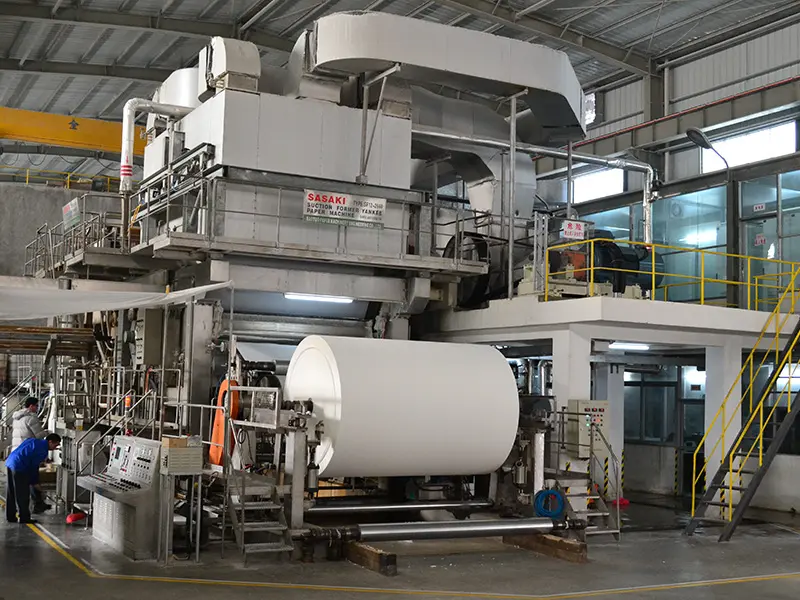
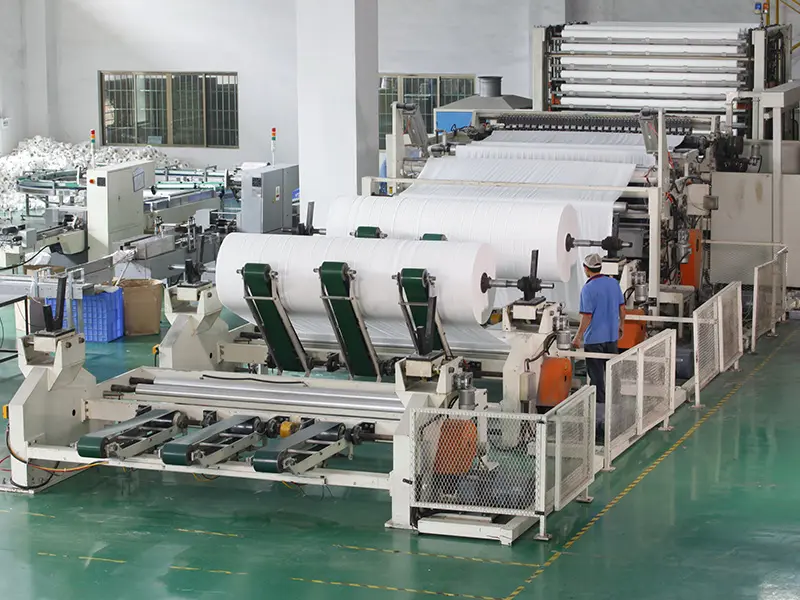
We use state-of-the-art Japanese and European winding machinery to maintain uniform roll density. This precision tension control ensures smooth dispensing from the first sheet to the last, reducing dispenser jams.
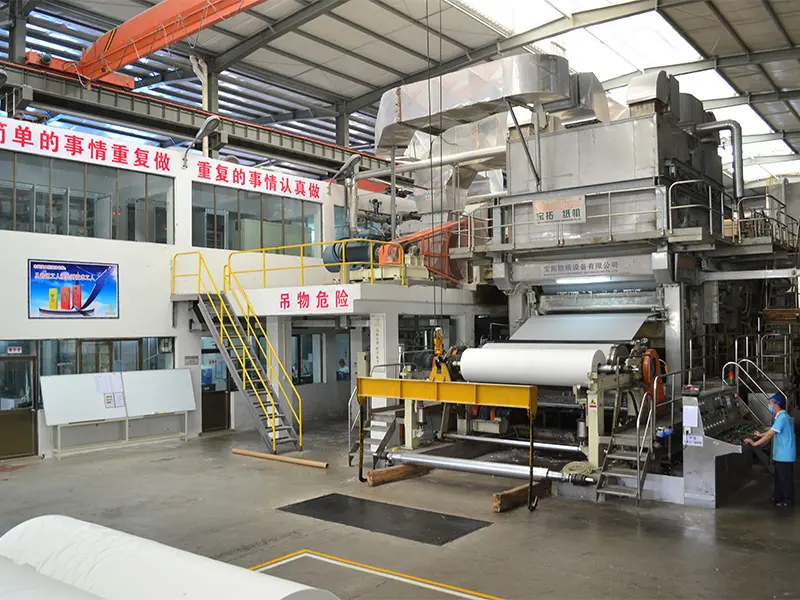
For over 27 remarkable years since our inception in 1998, Baoda Paper Co., Ltd. has stood as an unwavering cornerstone of China's tissue paper industry, evolving from a domestic manufacturer into a globally recognized force. We have meticulously built our legacy on a formidable foundation of advanced manufacturing excellence and an unwavering commitment to quality. Our modern, sprawling complex, exceeding 20,000 square meters, is a testament to this commitment.
Within its walls, we house state-of-the-art, imported high-speed paper machines and sophisticated automated processing lines. This powerful infrastructure is the engine behind our impressive annual production capacity of over 30,000 tons, enabling us to meet large-scale demands without compromising on the consistent quality that defines the Baoda name.
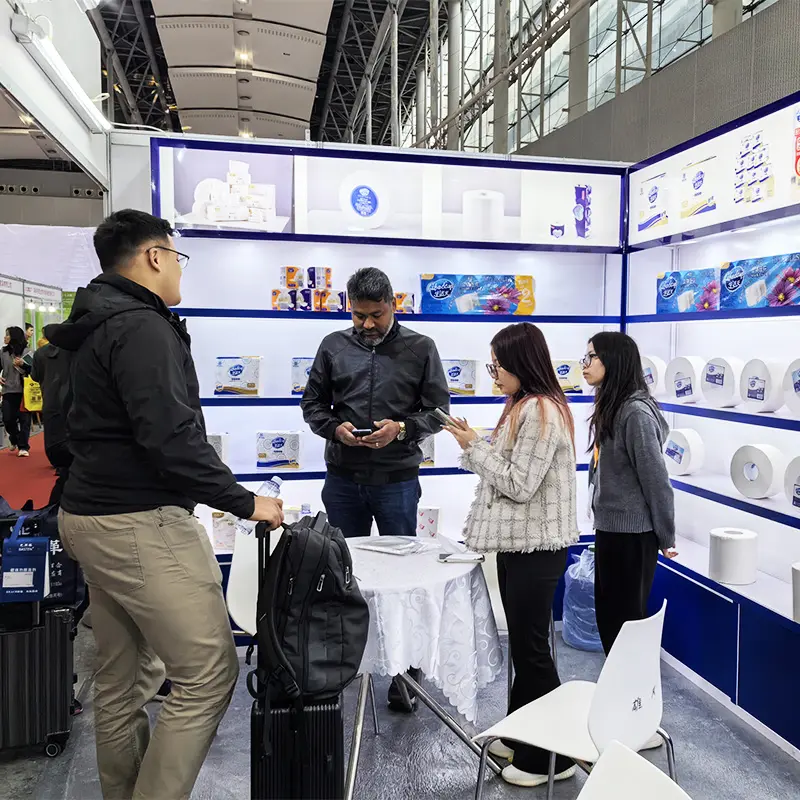
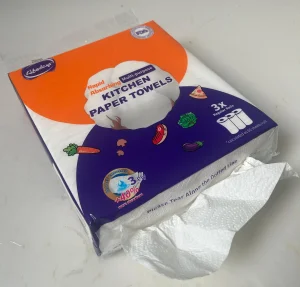
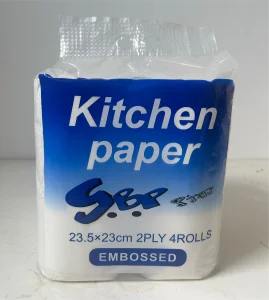
Our comprehensive portfolio provides complete one-stop solutions. We offer a full range of products, from household essentials like premium toilet rolls, versatile kitchen towels, and soft facial tissues to convenient and hygienic pocket tissue packs. We support diverse business models through flexible ODM, OEM, and OBM services, tailoring custom solutions to our clients' unique brand identities.
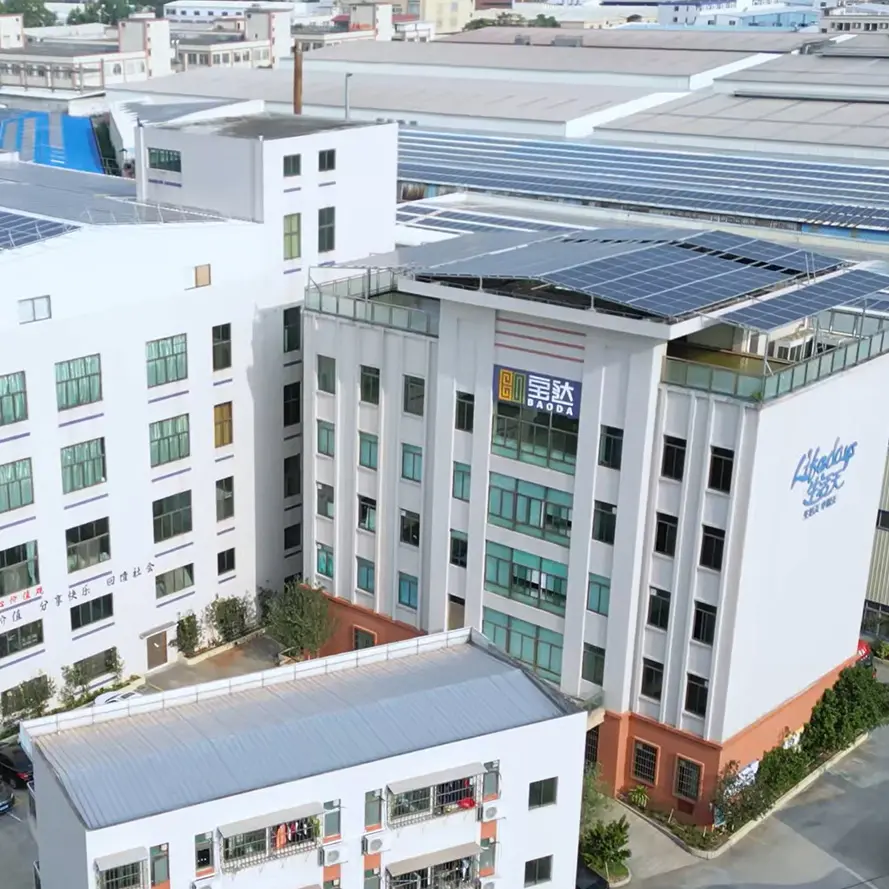
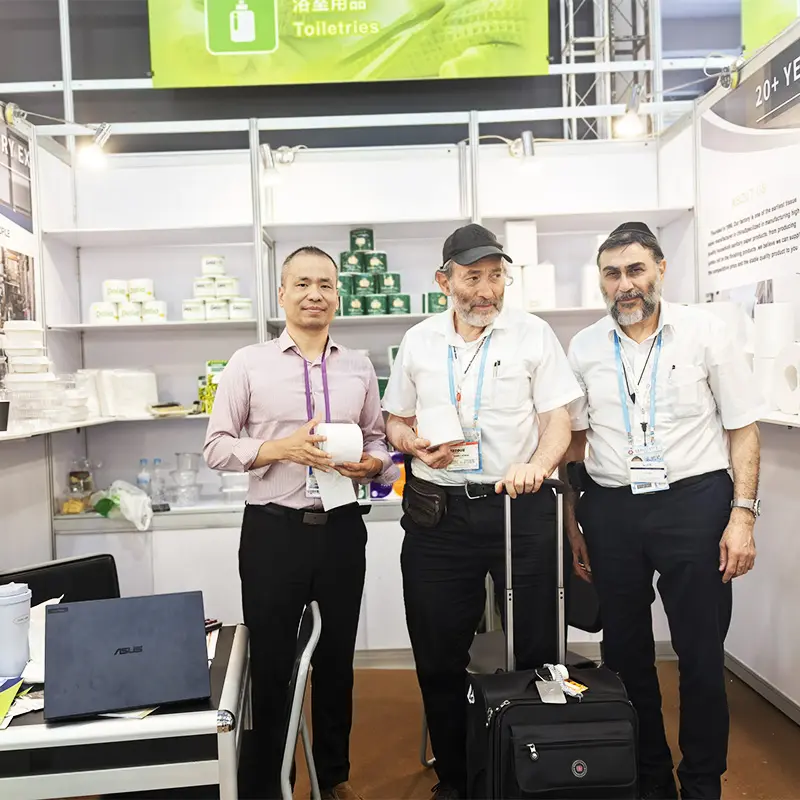
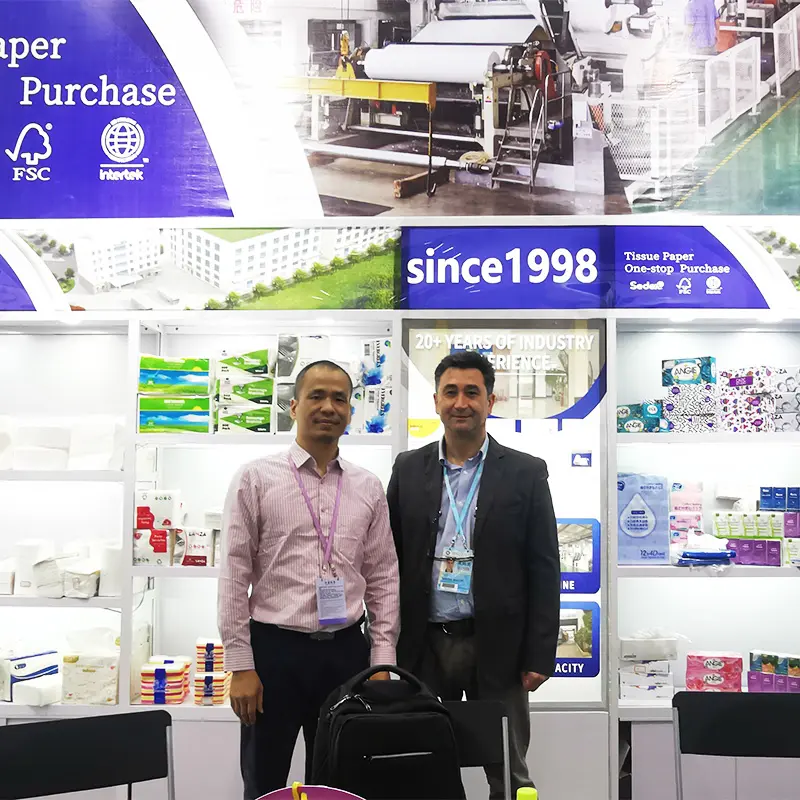
Our commitment to corporate responsibility has earned the trust of over 10,000 global retail and distribution leaders, including renowned giants such as Walmart and Watsons. This trust is supported by our rigorous quality control protocols and our extensive international distribution network.
Baoda Paper products now reach more than 60 countries across the Americas, Europe, Asia, and Australia, with a strong presence in key commercial markets like the United States and Australia. By investing in modern quality management systems, we maintain batch-to-batch consistency for all retail partners, hospital networks, and hospitality groups.
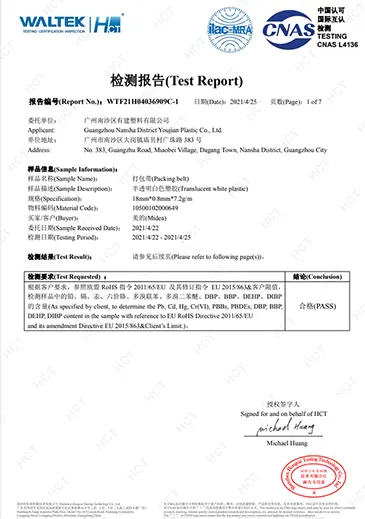
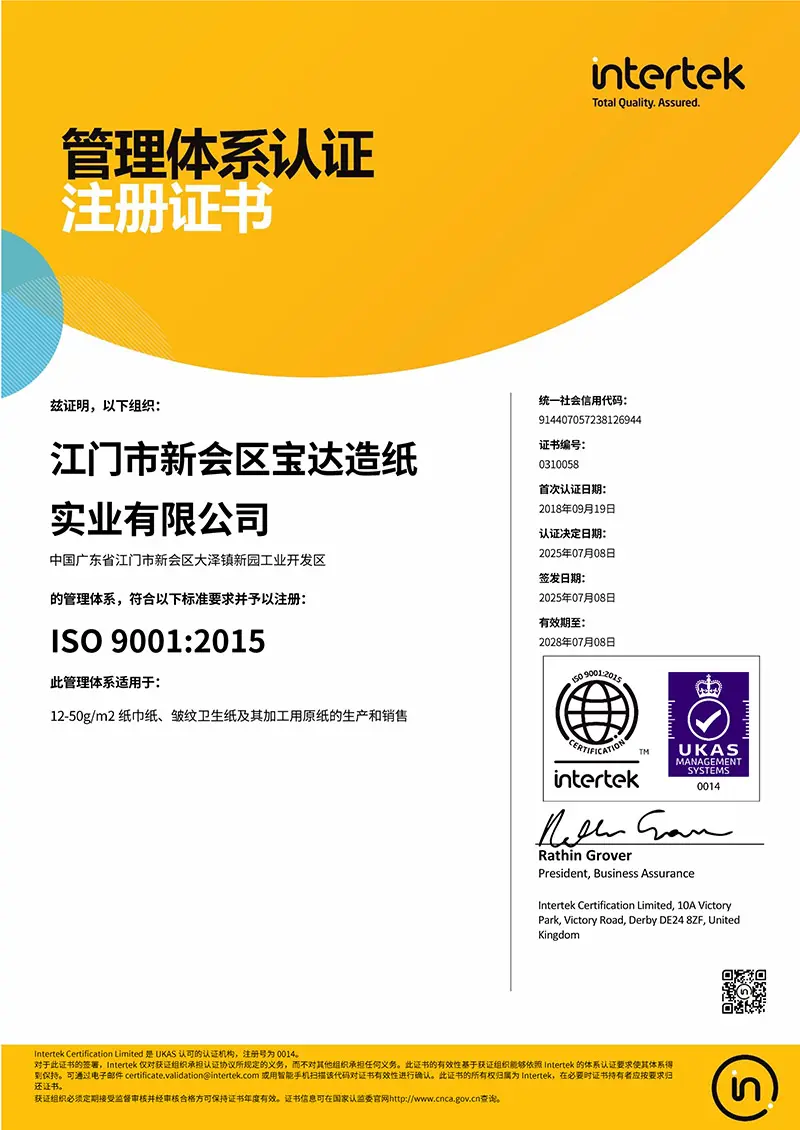
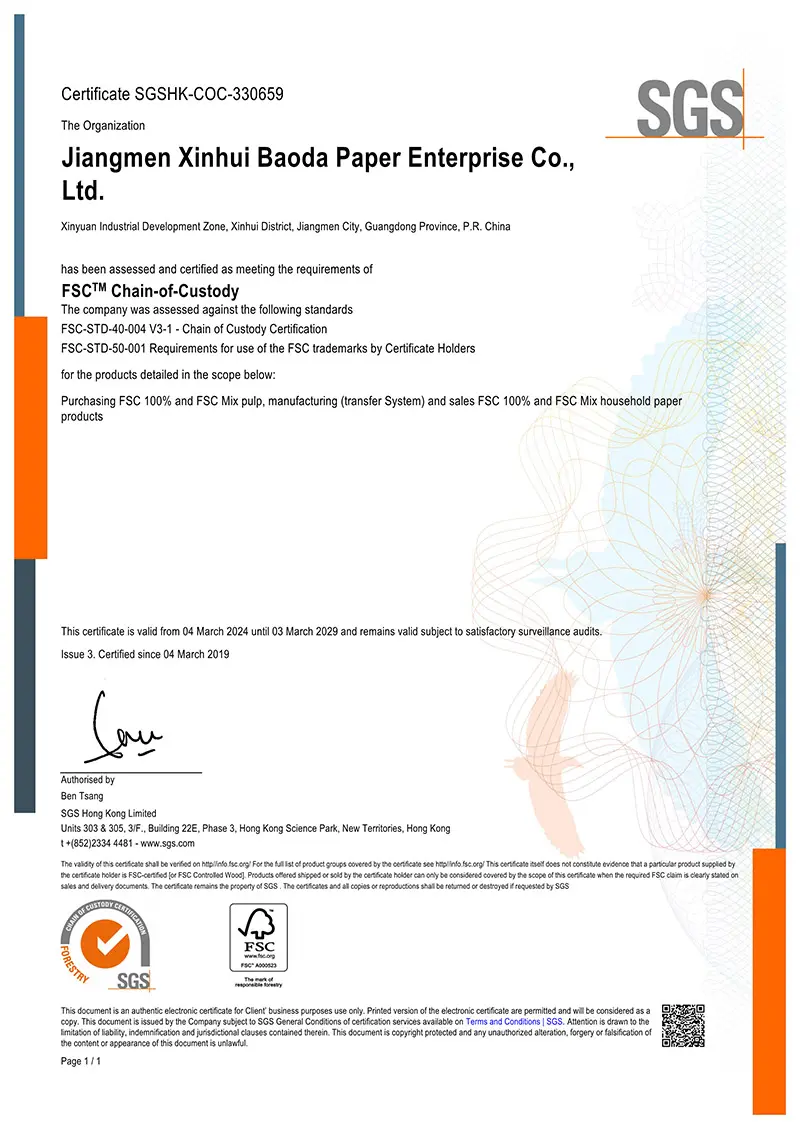
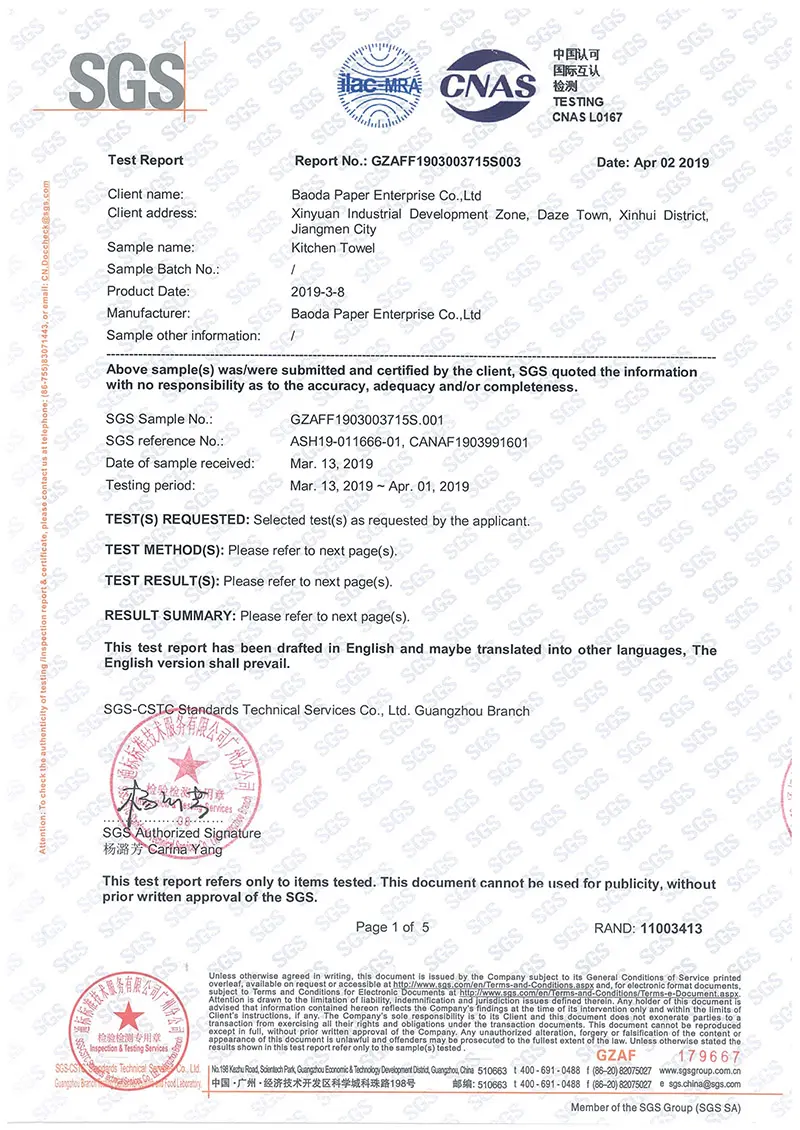
Operating a global paper supply chain requires strict compliance with diverse regional and environmental regulations. Our production facilities maintain updated certifications to support quick customs clearance, protect human health, and assure environmental sustainability.
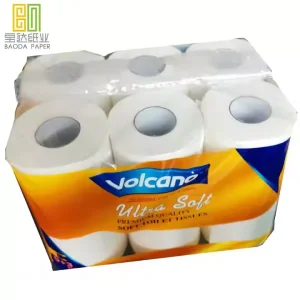
Our premium 3-ply and custom embossed toilet tissues balance visual presentation with strength. The elegant embossing matches upscale hotel environments while maintaining reliable absorbency.
Airports, train hubs, and commercial centers need high-capacity rolls. Our compact, coreless designs extend service intervals, reducing replenishment cycles and operational labor costs.
Clinical settings require additive-free, pure virgin wood pulp tissues. Our products undergo high-temperature sterilizations during manufacturing to meet strict hygiene demands.
Replacing traditional polyethylene outer packaging with home-compostable, bio-based barriers. This shift cuts plastic waste throughout the commercial B2B supply chain.
Upgrading our paper mill machinery to recycle 95% of water usage. By reusing water in a closed loop, we lower local ecological impact and cut processing energy demands.
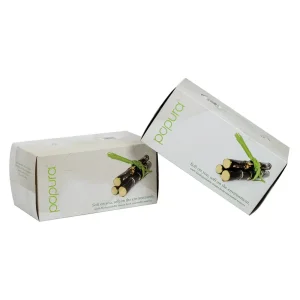
Integrating agricultural byproduct fibers, like wheat straw and bagasse, into our lines. This strategy diversifies our raw material sourcing without increasing deforestation pressure.
Virgin wood pulp retains its natural long fibers, providing higher tensile strength, superior water absorption, and a softer feel. Recycled fibers shorten with each processing cycle, reducing strength and requiring chemical binders to maintain roll integrity. Virgin pulp is also free from residual inks and processing chemicals, making it the preferred choice for clinical and premium retail applications.
We use automated calculation software to match roll diameters and carton dimensions with standard container configurations. Our compact tissue lines reduce void space within packaging, allowing us to load up to 25% more product volume per shipping container compared to traditional loose-wound tissue lines, lowering unit freight costs.
Yes. Baoda specializes in comprehensive OEM, ODM, and OBM services. We customize core diameters, sheet counts, roll widths, embossing patterns, packaging designs, and carton labeling to align with your brand standards. Our production lines maintain consistent quality across large-scale runs.
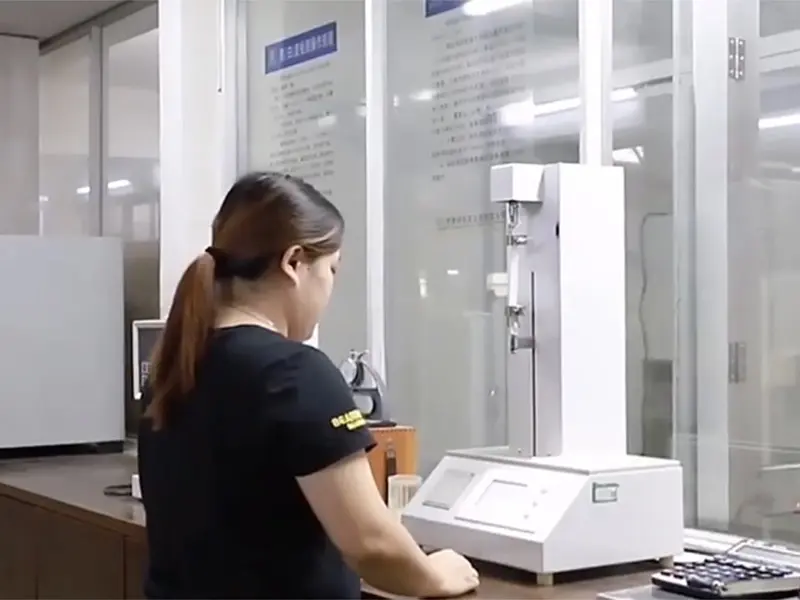
Our Quality Assurance system monitors production from raw pulp sourcing to final packaging. We test tensile strength, absorption rates, brightness, moisture levels, and surface softness in our laboratories. Every batch is cataloged to maintain full supply chain traceability.
Our raw pulps are sourced from responsibly managed forests. Our processes avoid optical brighteners and harmful chlorine bleaches, aligning with environmental standards in the EU (CE) and the Americas (FDA regulations for food-contact paper products).
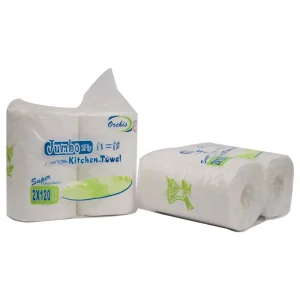
 BAODA PAPER