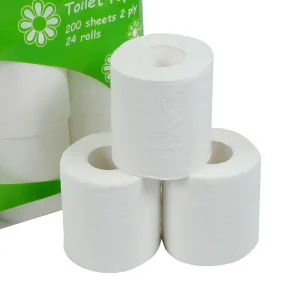
Explore our certified zero-additive, ultra-soft wood pulp & bio-based solutions engineered for global commercial networks.
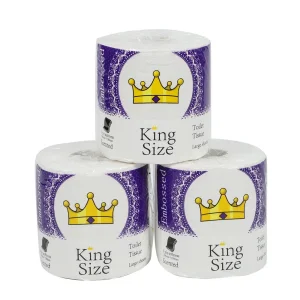 High-Quality Ultra Soft Virgin Wood Pulp Toilet Paper - Premium Quality from China Suppliers and Factory for Hotel & Home Use Supplier, Factories
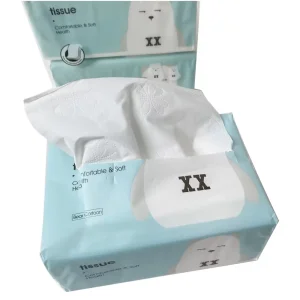 OEM Cloud-Like Soft 3-Ply Tissues from China Suppliers | Durable & Hypoallergenic Soft Pack Factory Quality Manufacturer, Manufacturers
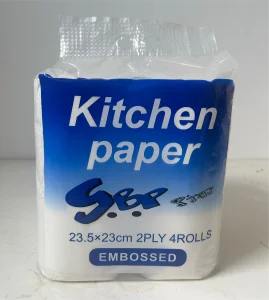
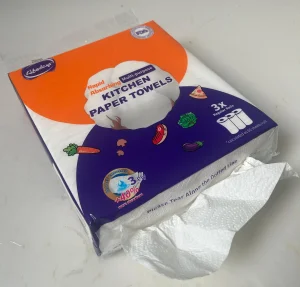
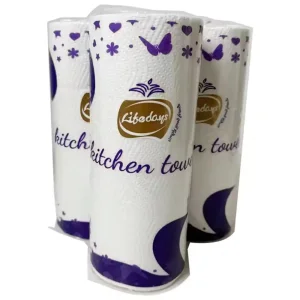
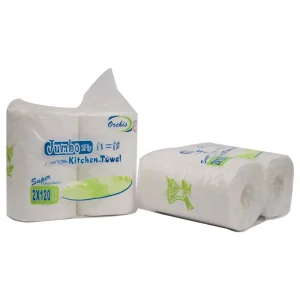 OEM High Quality China Suppliers Factory Virgin Wood Pulp Absorbent Kitchen Tissue Paper for Home and Commercial Use Suppliers, Exporter
Analyzing consumer health awareness, chemical-free processing, and B2B requirements for sustainable hygiene commodities.
Over the past decade, the global sanitary paper industry has transitioned from focusing purely on unit cost and simple tactile softness to demanding chemical transparency and environmental safety. Standard consumer tissue products have historically relied on chlorine-based bleaching processes, optical brighteners, and synthetic binding resins. However, clinical research highlighting the risk of endocrine disruption, contact dermatitis, and systemic chemical bioaccumulation from exposure to trace dioxins has reshaped user expectations.
B2B enterprises, retail giants, and institutional distributors are responding by shifting their procurement focus towards certified non-toxic tissue products. Crucial to this shift is the elimination of primary endocrine-disrupting chemicals (EDCs), formaldehyde, and heavy metals. B2B buyers require verification systems that prove tissue pulp was sourced from responsibly managed forests and processed without toxic compounds, ensuring compliance with strict regional health regulations such as REACH (EU) and Proposition 65 (California).
The industry is transitioning from Elemental Chlorine-Free (ECF) to TCF systems, ensuring zero trace dioxin production throughout the pulping process.
Strict exclusion of synthetic scents, colorants, and artificial lotions to prevent epidermal sensitization and skin irritation.
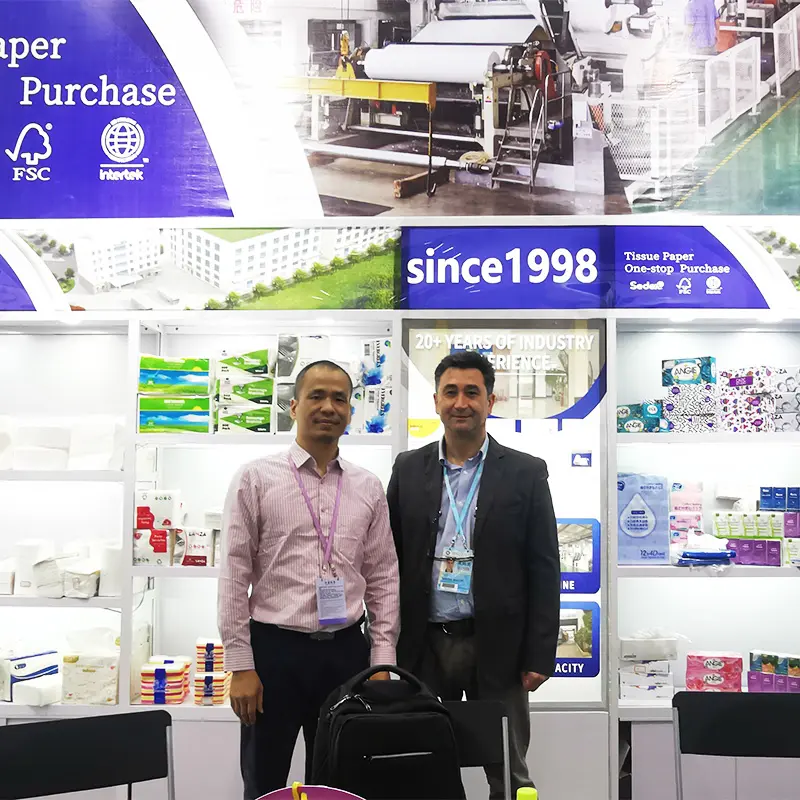
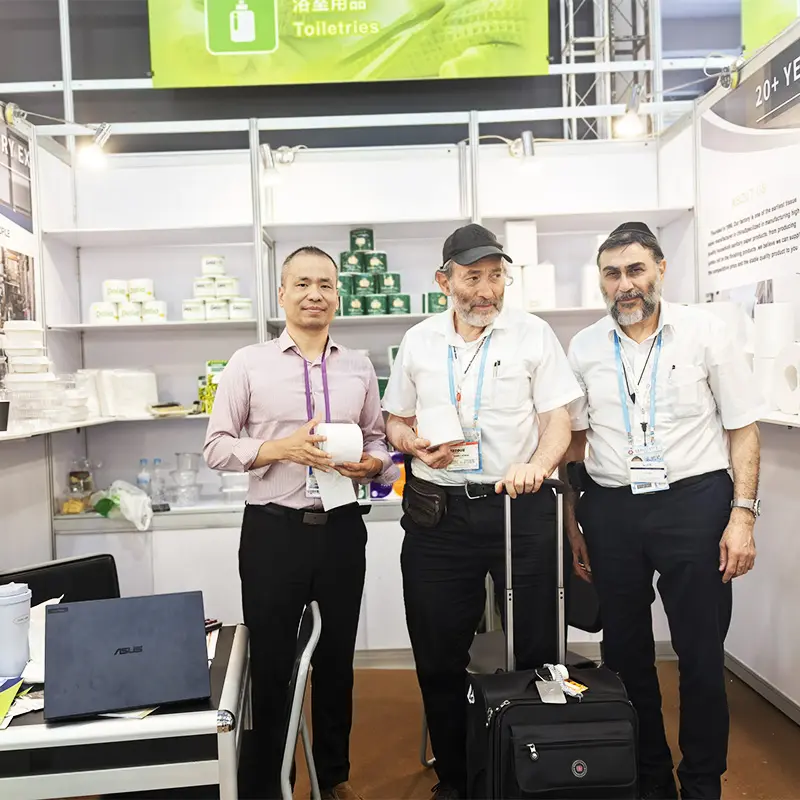
Established in 1998, Baoda Paper Co., Ltd. has worked for over 27 years to set standard benchmarks in China's tissue manufacturing sector. Initially focused on domestic markets, we have expanded into a globally recognized manufacturer. Our operations are housed in a 20,000-square-meter facility, running advanced automated processing lines and imported high-speed paper machines.
Our annual production capacity exceeds 30,000 tons. This high volume enables us to supply international retail networks, distributors, and hotel chains with stable inventories. We maintain consistency by running advanced quality-control checks at every stage, from raw pulp digestion to final roll packaging.
Years of Manufacturing Excellence
Annual Production Capacity
Modern Factory Floor Area
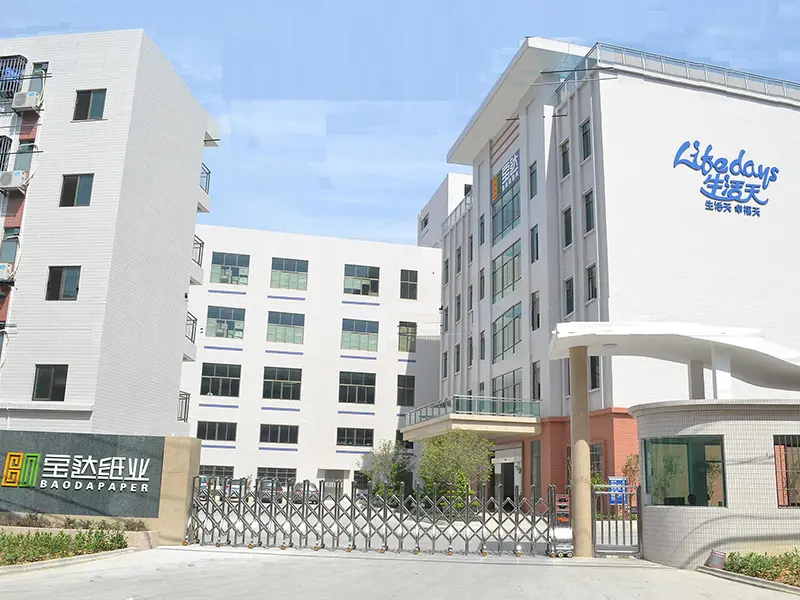
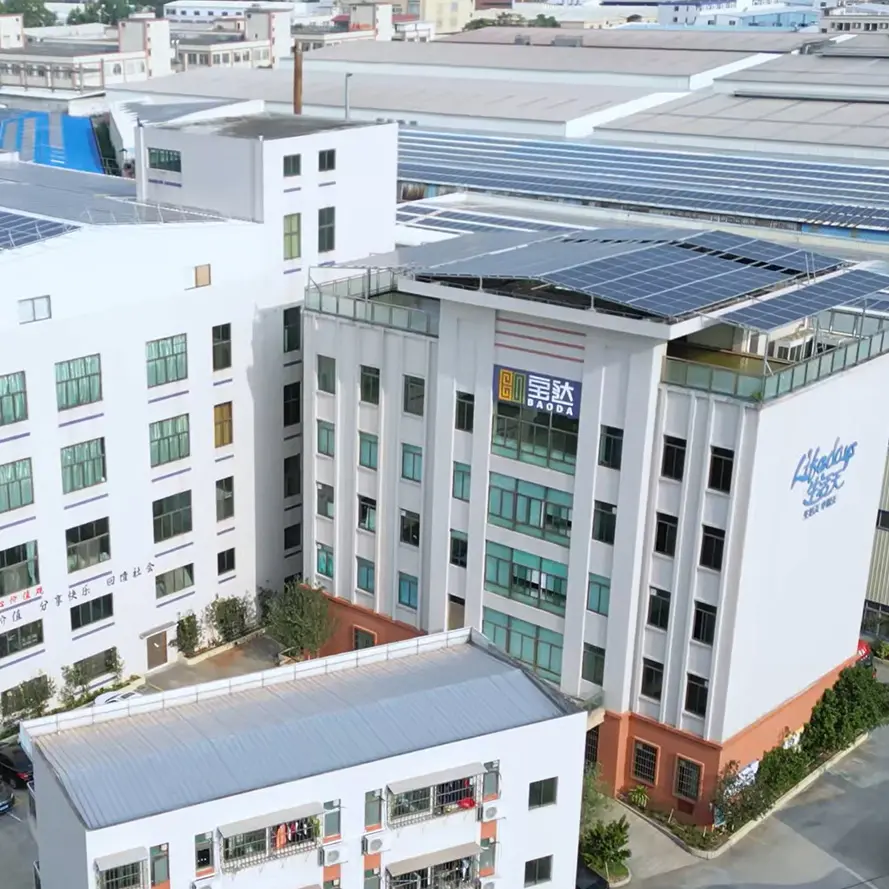
Our facility is designed to keep dust, contaminants, and cross-contamination out of our production loops. This clean setup allows us to manufacture pocket tissues, toilet rolls, and kitchen paper towels that consistently meet medical-grade purity standards.
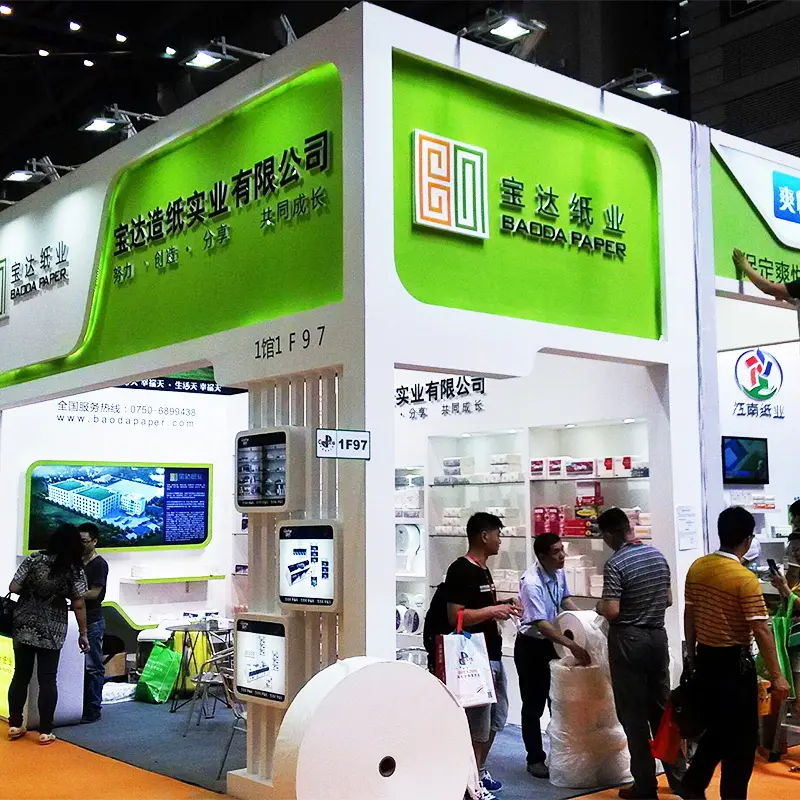
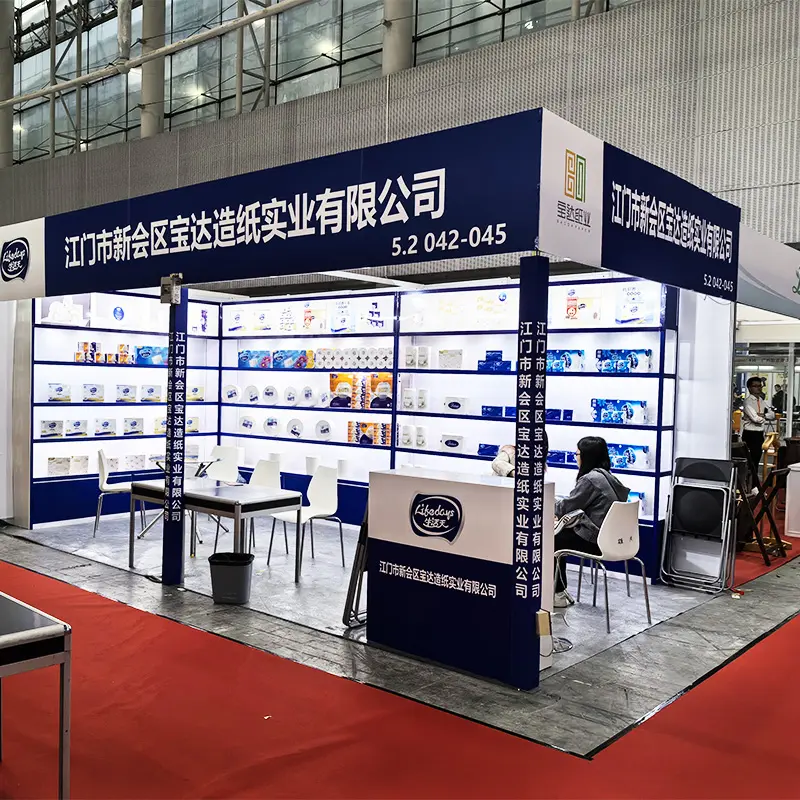
Large-scale retail organizations like Walmart and Watsons enforce rigorous sustainability and safety requirements on their tissue paper vendors. For bulk buyers, compliance is critical to protecting brand reputation. Baoda Paper acts as a partner to over 10,000 retail and distribution businesses globally, providing verified conformity with international quality and safety codes.
We support ODM, OEM, and OBM production models. This flexibility allows buyers to customize basis weight, ply thickness (1-ply, 2-ply, 3-ply, or 4-ply configurations), roll lengths, and packaging materials. Our products are exported to over 60 countries across Europe, the Americas, Asia, and Australia, ensuring smooth customs processing and compliance with localized environmental guidelines.
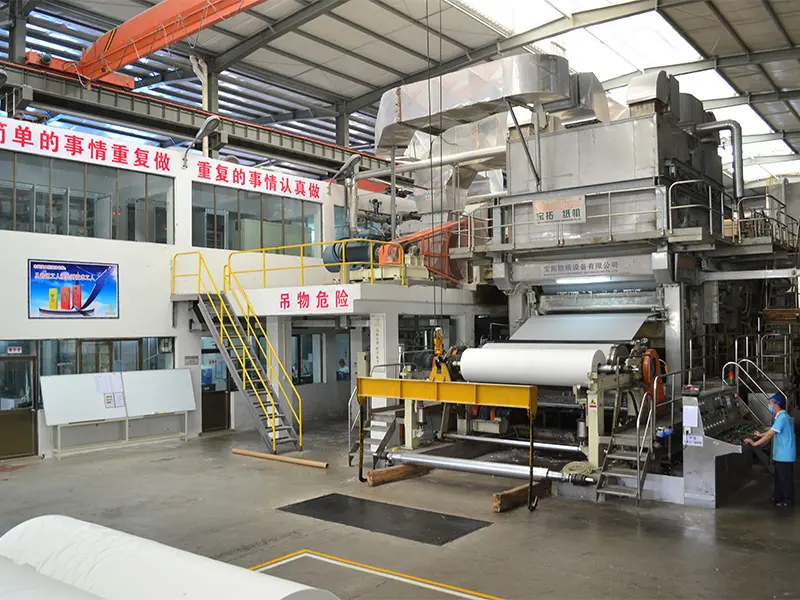
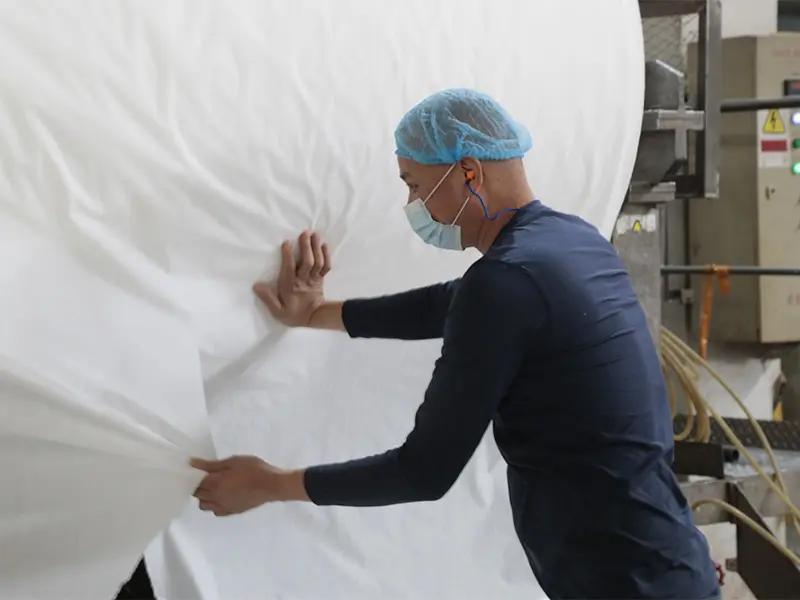
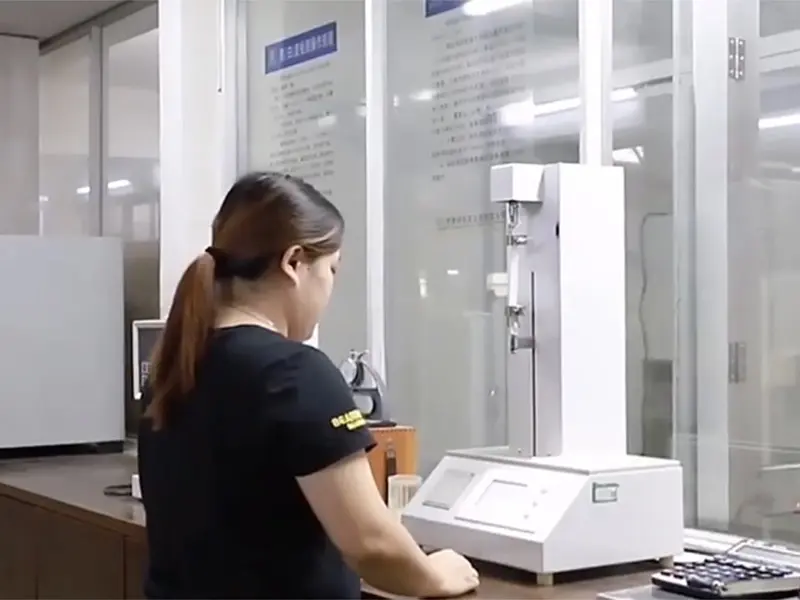
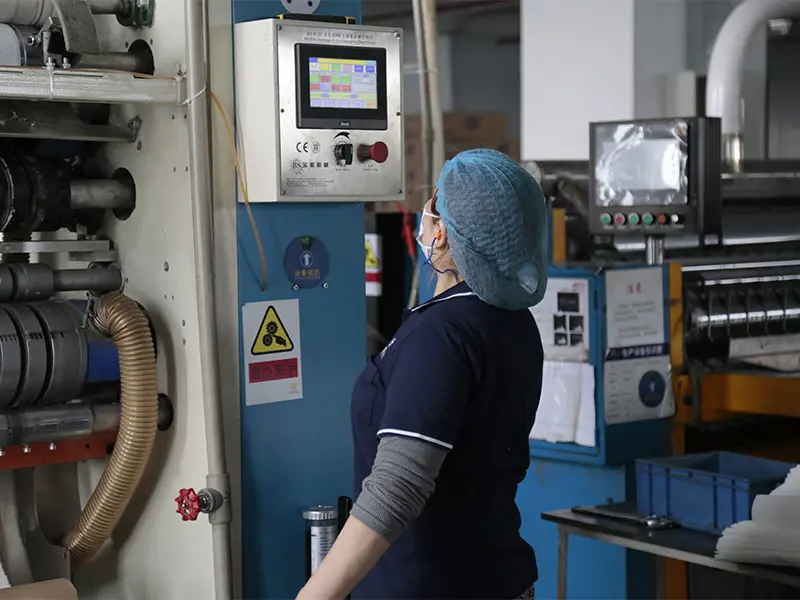
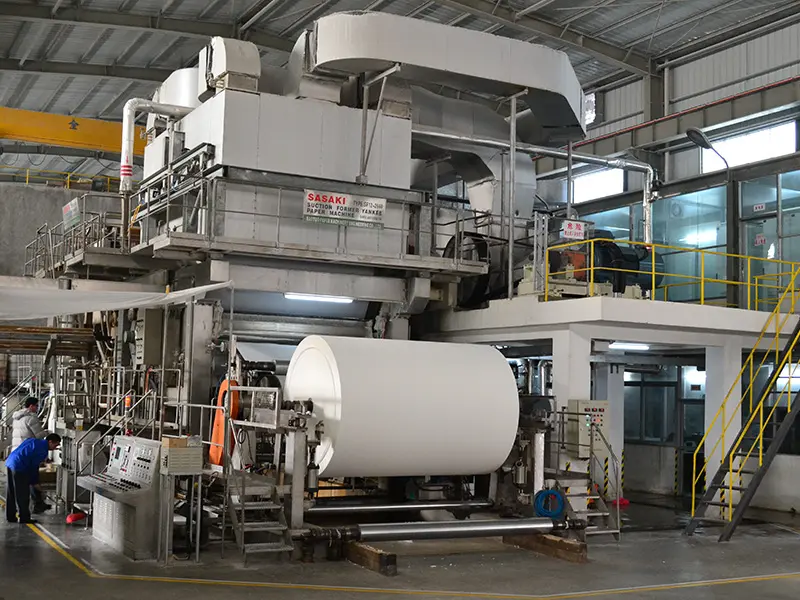
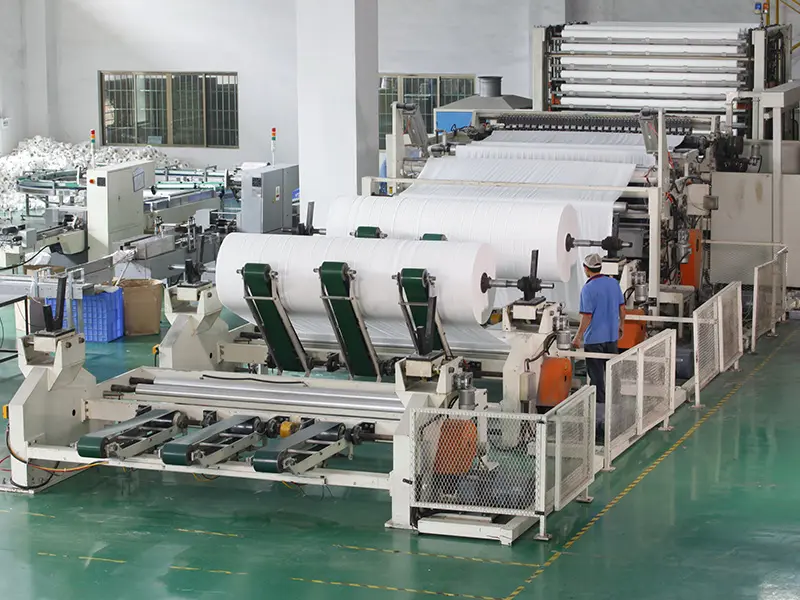
A technical assessment of fiber structure, tensile performance, and dermatological safety parameters.
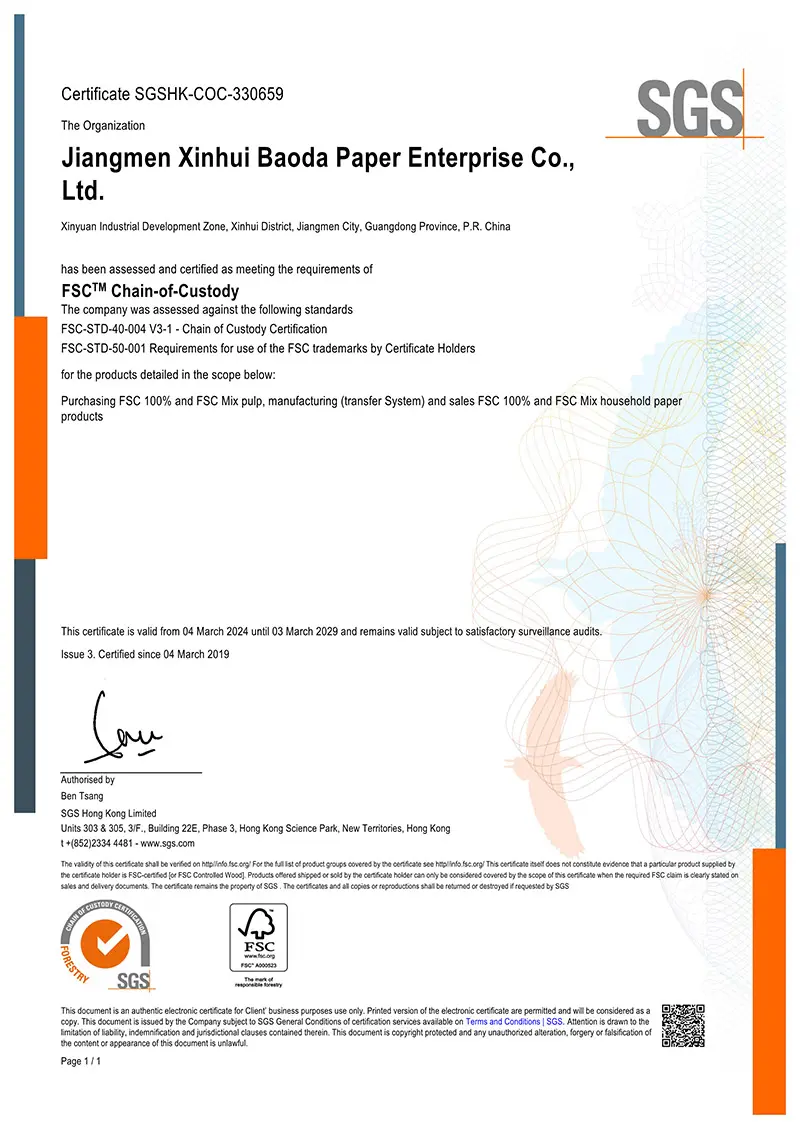
The base fiber selected for tissue production determines both the safety profile and mechanical strength of the final product. Virgin wood pulp, sustainably harvested under FSC certification, remains the industry standard for high-performance tissue due to its consistent fiber length and purity.
During pulping, wood chips undergo chemical or mechanical digestion to separate cellulose fibers from natural lignin binder. In conventional mills, elemental chlorine is often introduced to bleach the cellulose to high whiteness. This process, however, generates trace organochlorine residues like polychlorinated dibenzo-p-dioxins (PCDDs). In contrast, Baoda utilizes elemental chlorine-free (ECF) and totally chlorine-free (TCF) bleaching, which relies on oxygen, ozone, or hydrogen peroxide to safely achieve high levels of brightness.
We balance our formulations by blending long-fiber coniferous pulps for structural strength with short-fiber deciduous pulps for a soft touch. This approach allows us to achieve high tensile strength without adding synthetic dry-strength agents, minimizing the risk of skin reactions.
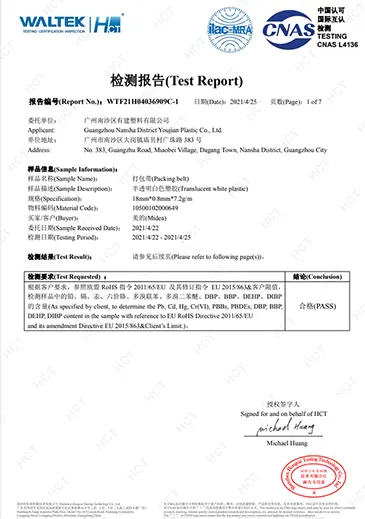
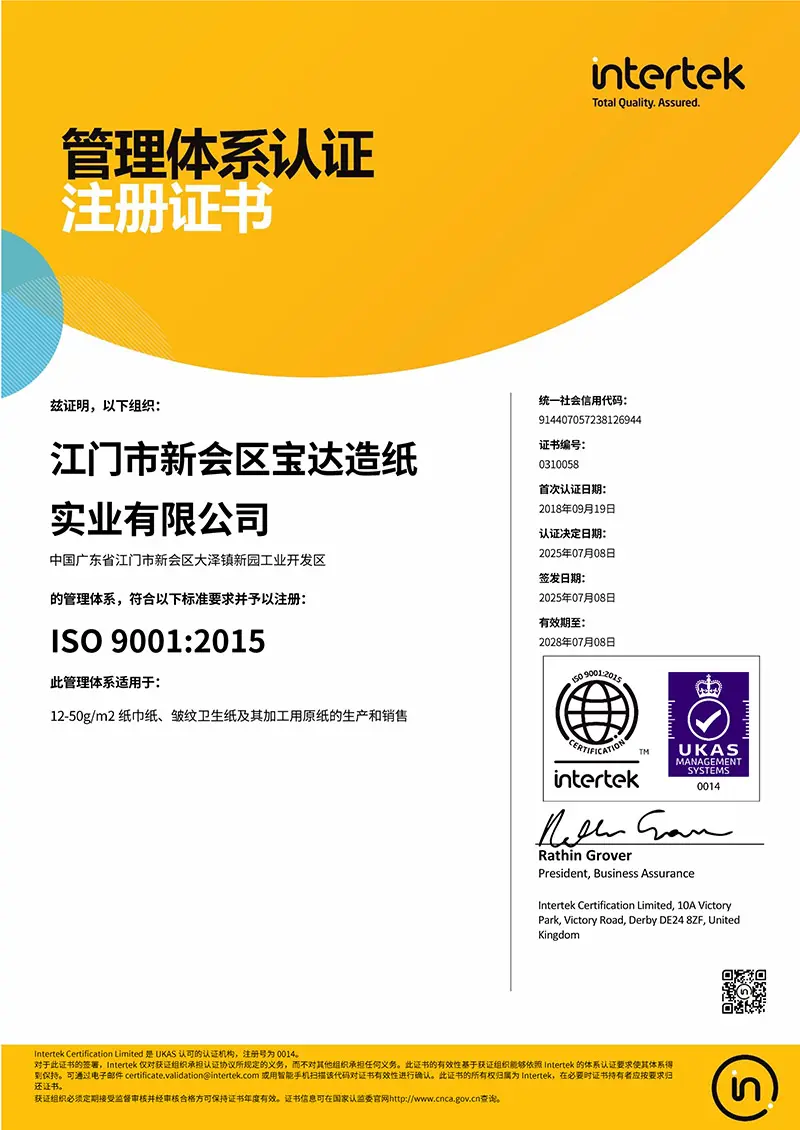
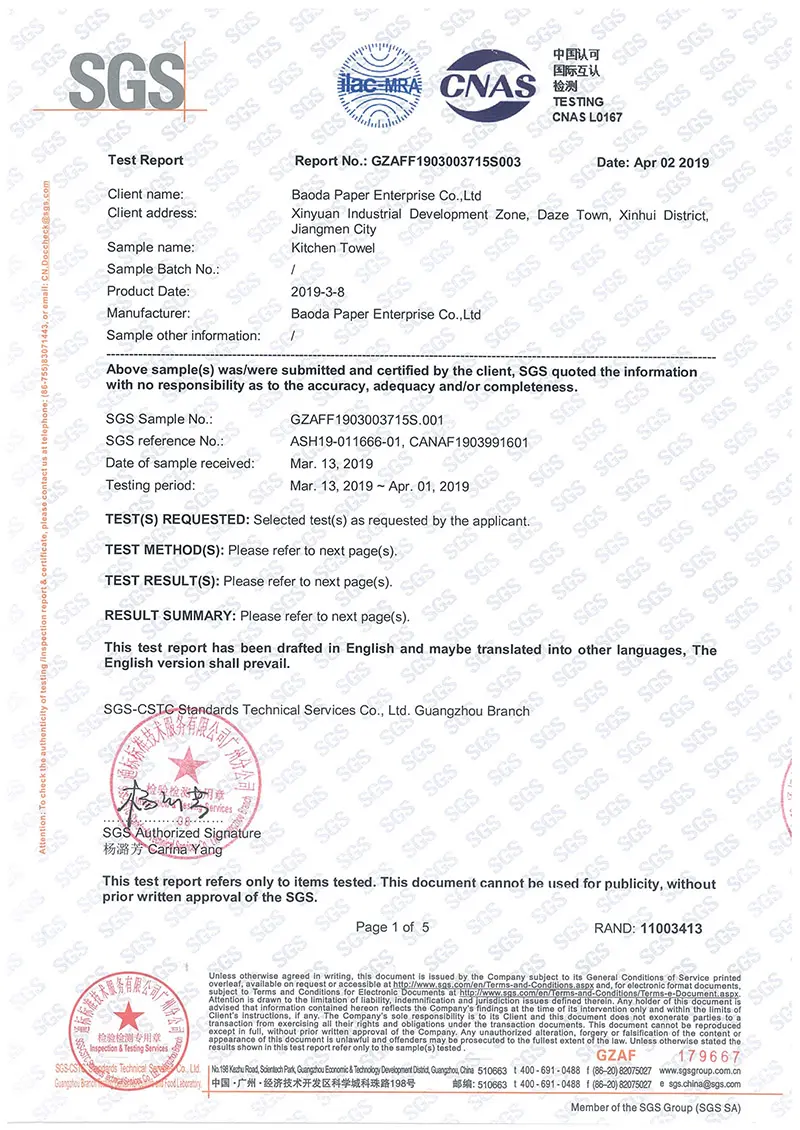
For global operations, certifications serve as objective proof of safety and environmental responsibility. Our facilities hold certifications from global bodies, verifying that all products meet forest management, product safety, and social compliance standards.
Our production lines are regularly audited to ensure they comply with the environmental and chemical safety regulations of our export destinations.
Managing a global supply chain requires partners who can deliver consistent product quality while adapting to changing regulatory rules. Large retail systems operate on strict delivery windows, requiring manufacturers to maintain large safety stocks, stable shipping times, and efficient logistics.
With our 30,000-ton annual capacity, Baoda helps bulk buyers mitigate stockout risks. We manage shipping from our plant to international ports, handling export paperwork and customs requirements for key markets like the United States, Australia, and Western Europe.
Our long-term commitment to carbon-neutral production, zero-plastic packaging, and advanced biological safety.
We are upgrading our wastewater systems to recycle 90% of our process water, significantly reducing water consumption per metric ton of tissue paper produced.
We plan to transition all paper wrapping and inner packaging to home-compostable, bio-based films and FSC-certified paper wrappers, eliminating fossil-fuel plastics from our supply chain.
We aim to transition our drying and high-speed processing machinery to run on solar and clean biomass energy, working toward carbon-neutral certification across our 20,000-square-meter facility.
Answers to common regulatory, chemical safety, and logistical questions from bulk procurement partners.
ECF (Elemental Chlorine Free) processes use chlorine dioxide instead of elemental chlorine gas, which significantly reduces dioxin emissions. TCF (Totally Chlorine Free) processes avoid all chlorine derivatives, using oxygen, ozone, or hydrogen peroxide instead. ECF remains the cost-effective global standard for high brightness, while TCF is preferred for specialized medical and organic consumer markets.
Recycled pulp often contains residues from printing inks, adhesives, and coatings, which can introduce trace levels of bisphenols (BPA, BPS) and mineral oils. Clean virgin wood pulp is free from these post-consumer contaminants, making it a reliable raw material for hypoallergenic, chemical-free tissue products.
Our consumer tissue products do not contain added formaldehyde. For high-absorbency kitchen paper and towels, we use minimal, food-grade wet-strength resins that comply with FDA and REACH safety thresholds for food-contact items.
We provide full-service ODM and OEM manufacturing. Buyers can customize specifications including sheet dimensions, ply counts (up to 4-ply), roll lengths, embossing patterns, and outer packaging styles. We offer custom packaging, private labeling, and carton shipping configurations.
Our products and production processes hold certifications verifying that our raw wood pulp comes from sustainably managed forests and that our manufacturing meets global safety, environmental, and quality management standards.
Yes, our toilet tissues are designed to break down quickly under mechanical agitation in water. They contain no synthetic binding chemicals, helping to prevent plumbing blockages and making them safe for septic and municipal wastewater systems.
Review the technical specifications for our high-capacity toilet rolls, dispenser napkins, and kitchen paper towels.
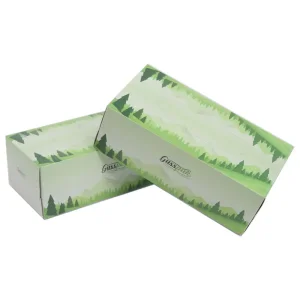 Wholesale Eco-Friendly Facial Tissue Box Wholesale from China Factory - Quality Supplies for Sustainable Living Suppliers, Factories
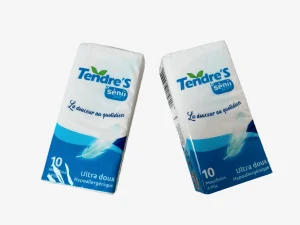 Best 3-Ply Portable Pocket Tissue – Ultra Soft & Additive-Free Exporters, Factories
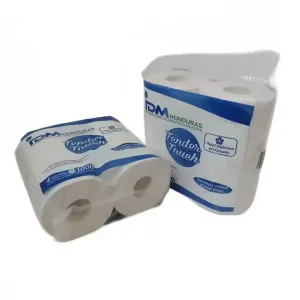 Wholesale China Suppliers 1-Ply Soft White Toilet Paper Rolls - Premium Hygiene Solutions from Factory for Daily Essential Needs Supplier, Product
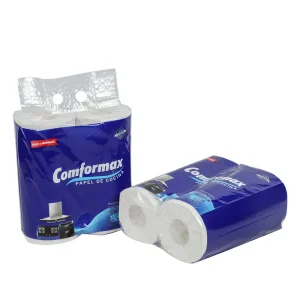 Wholesale Wholesale 2-Ply Pure White 100% Virgin Wood Pulp Kitchen Towel Paper Manufacturer, Suppliers
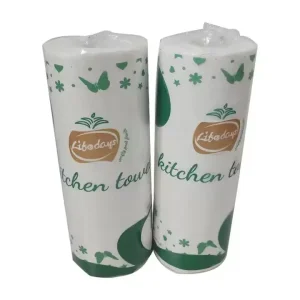 Best Commercial Grade 2-Ply Kitchen Rolls – Designed for Performance Manufacturers, Products
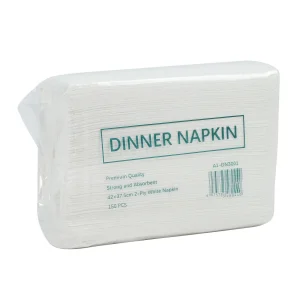
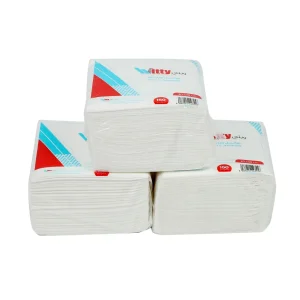 China Wholesale 2-Ply Hotel Table Tissue Serviettes Bag Style Paper Napkin Supplier, Suppliers
 BAODA PAPER