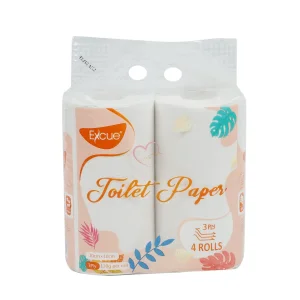
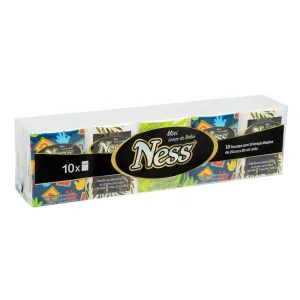
Premium tissue products directly sourced from our 20,000+ sqm automated processing lines. Ideal for international retail brands and commercial distribution channels.
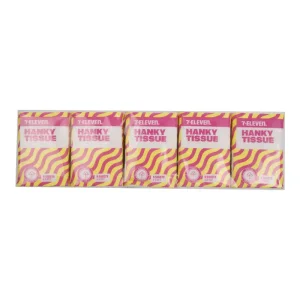
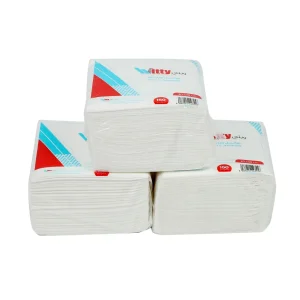
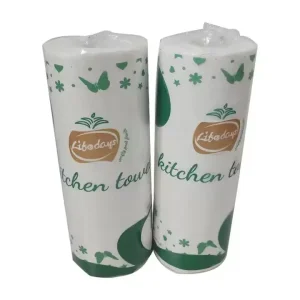
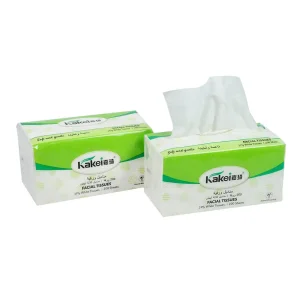
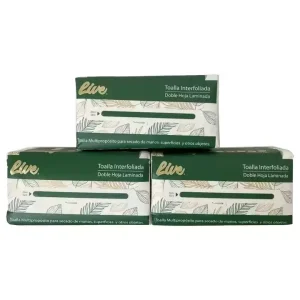
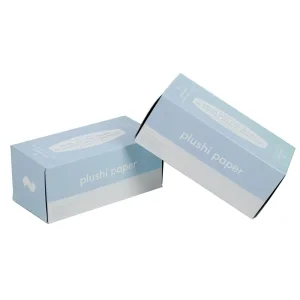
A comprehensive analysis of raw fiber engineering, structural absorption physics, and supply chain scalability in the paper tissue industry.
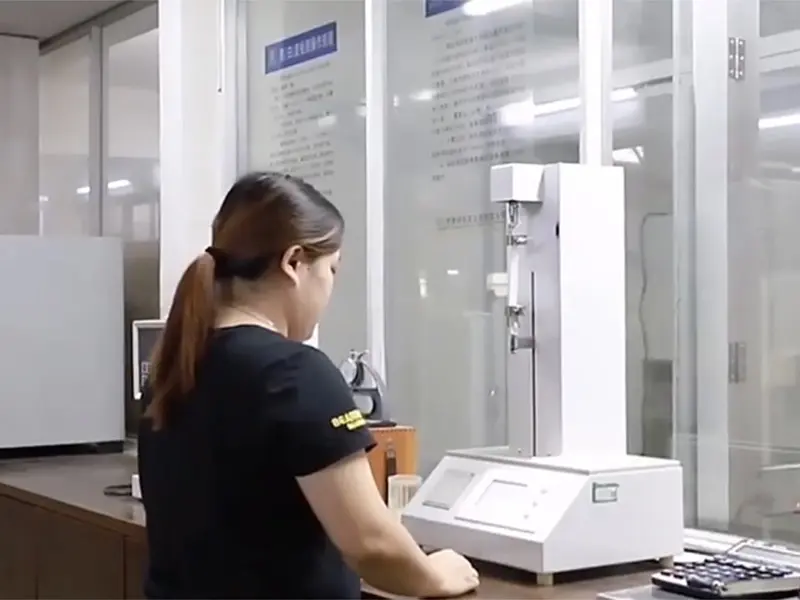
In the global commercial and industrial tissue segment, purchasing managers face a constant challenge: balancing operational cost-efficiency with high product performance. Kitchen roll paper towels represent a vital category where material engineering translates directly into operational savings. High-performance kitchen rolls rely on critical mechanical properties: wet tensile strength, capillary absorbency rates, and structural integrity under shear stress.
Modern B2B buyers have moved beyond simple cost-per-ton evaluations. Sourcing decisions now focus on "functional value-in-use." This shift is driven by the rise of automated distribution systems, strict food safety regulations (FDA/EU), and corporate sustainability mandates. Buyers require manufacturing transparency, consistent fiber specifications, and resilient logistics networks to prevent disruption to their global supply chains.
SEO Insight: Real search intent indicates that procurement professionals look for suppliers who provide verifiable physical testing data (such as wet tensile indexes, GSM validation, and absorption speeds) alongside standard bulk pricing sheets.

A cornerstone of China's paper manufacturing industry, delivering world-class tissue solutions for nearly three decades.
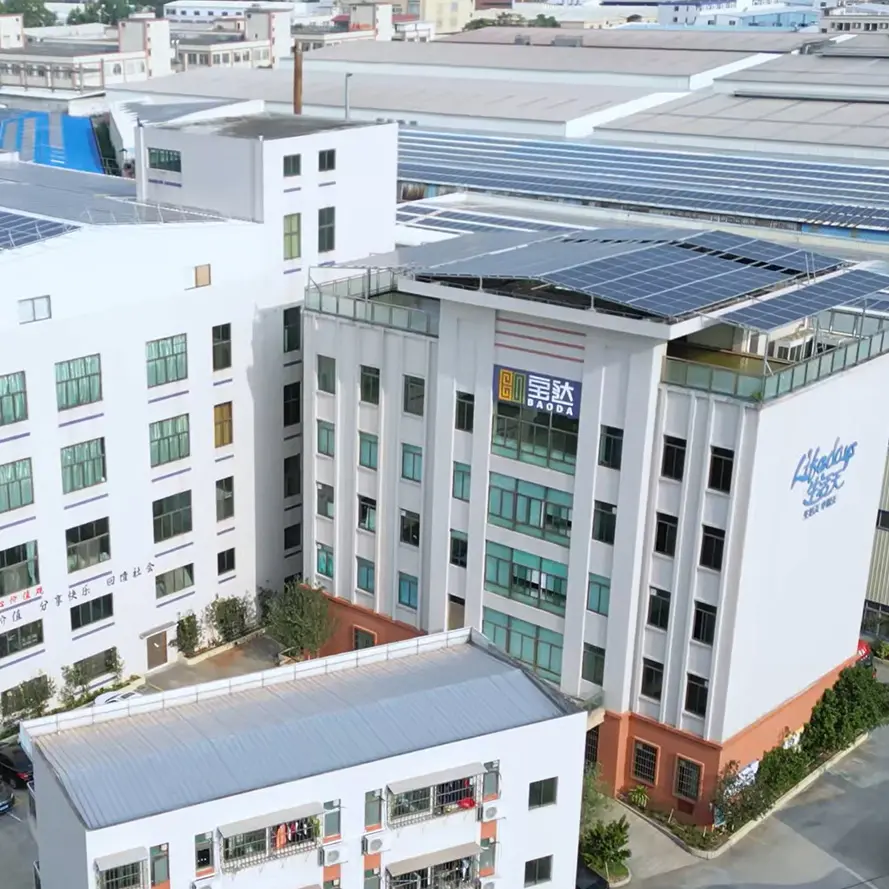
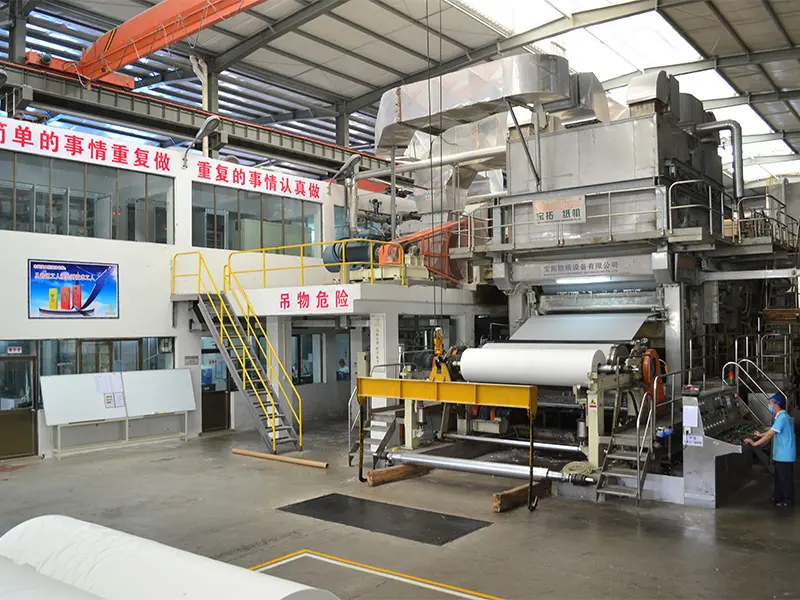
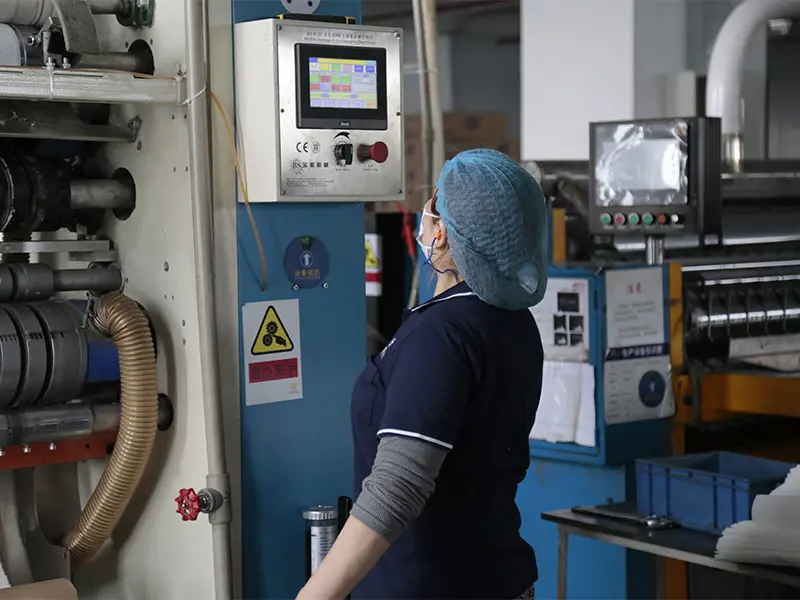
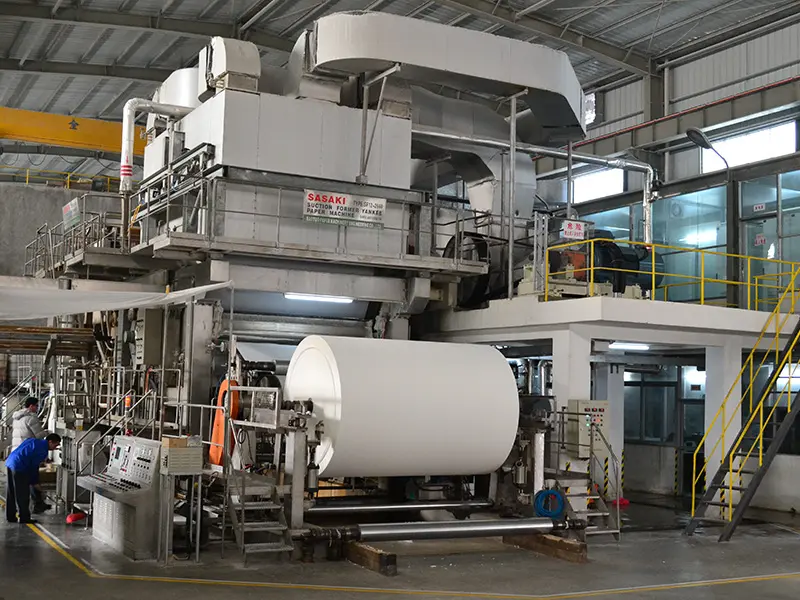
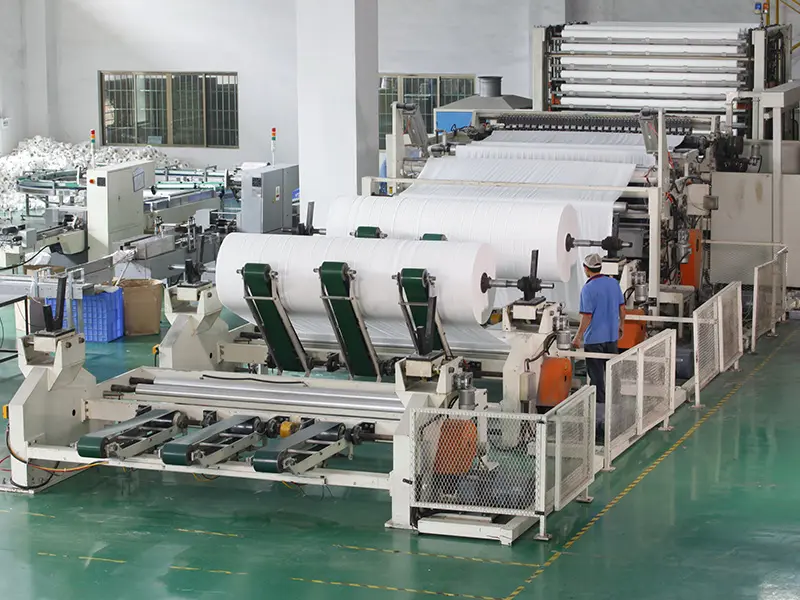
For over 27 remarkable years, since our inception in 1998, Baoda Paper Co., Ltd. has stood as an unwavering cornerstone of China's tissue paper industry, evolving from a domestic manufacturer into a globally recognized force. We have built our legacy on a foundation of manufacturing excellence and a commitment to quality. Our modern, sprawling complex, exceeding 20,000 square meters, is a testament to this commitment. Within its walls, we house state-of-the-art, imported high-speed paper machines and sophisticated automated processing lines. This infrastructure drives our annual production capacity of over 30,000 tons, enabling us to meet large-scale demands without compromising on consistent quality.
Understanding the diverse paths to market success, our business model is both robust and flexible. While we market three successful self-owned brands, we are also a premier partner for clients seeking to build their own product lines. We specialize in tailored ODM (Original Design Manufacturing), OEM (Original Equipment Manufacturing), and OBM (Original Brand Manufacturing) services, working collaboratively to bring our clients' unique visions and brand identities to life with precision and expertise.
Supplying the world's leading brands and retail chains with reliable bulk shipments and localized market adaptations.
Our commitment to social responsibility and strict QC has earned us the trust of over 10,000 global leaders in retail and distribution, including world-renowned giants such as Walmart and Watsons.
Through decades of innovation and consistent delivery, we have built an international distribution network spanning more than 60 countries across the Americas, Europe, Asia, and Australia, with a strong presence in key markets like the United States and Australia.
We provide stable supply and robust after-sales service, making Baoda Paper a symbol of quality and partnership in the dynamic global tissue market.
A look at the chemistry and mechanics that differentiate low-tier tissue rolls from premium commercial cleaning grades.
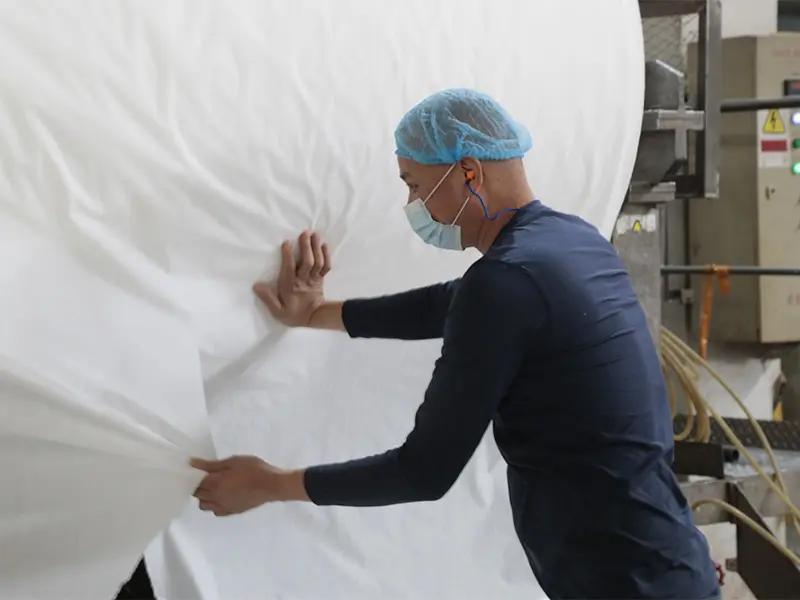
Kitchen paper towels must absorb water and oil without disintegrating under tension. To achieve this, Baoda utilizes high-grade, 100% virgin wood pulp characterized by long tracheid fibers. These long fibers form a dense network during wet-end formation on our high-speed crescent former paper machines. By introducing food-safe polyamide-epichlorohydrin (PAE) wet-strength resins, we establish covalent cross-linking between cellulose chains. This ensures the towel retains up to 35% of its dry tensile strength when fully saturated.
Absorbency is driven by capillary action, which is determined by the spaces between fibers. Our converting lines feature double-embossing rollers that offer two key patterns:
Addressing logistics bottlenecks, custom branding specifications, and shipping container utilization for global distribution.
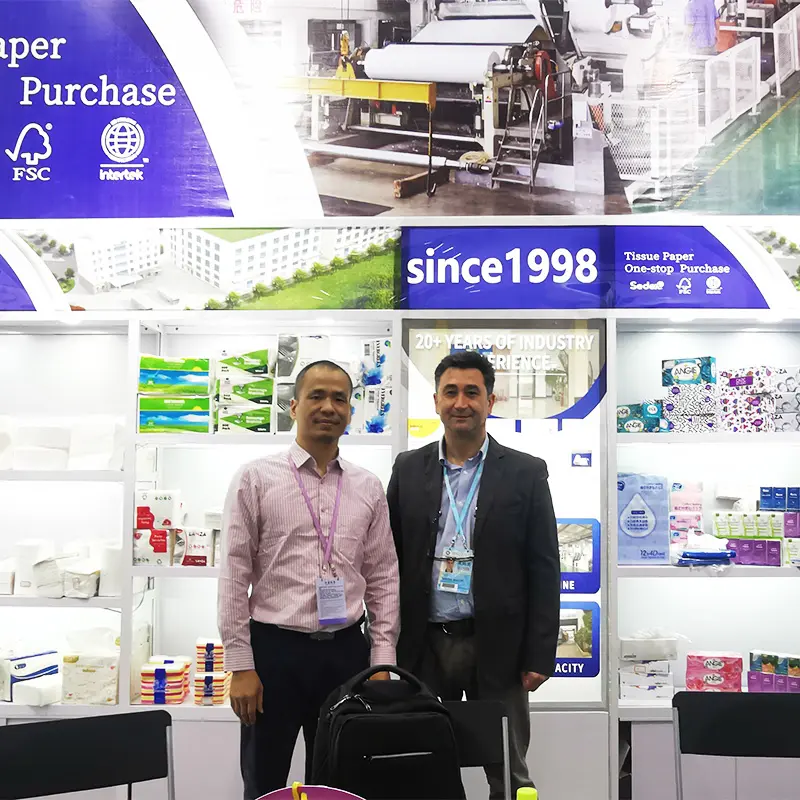
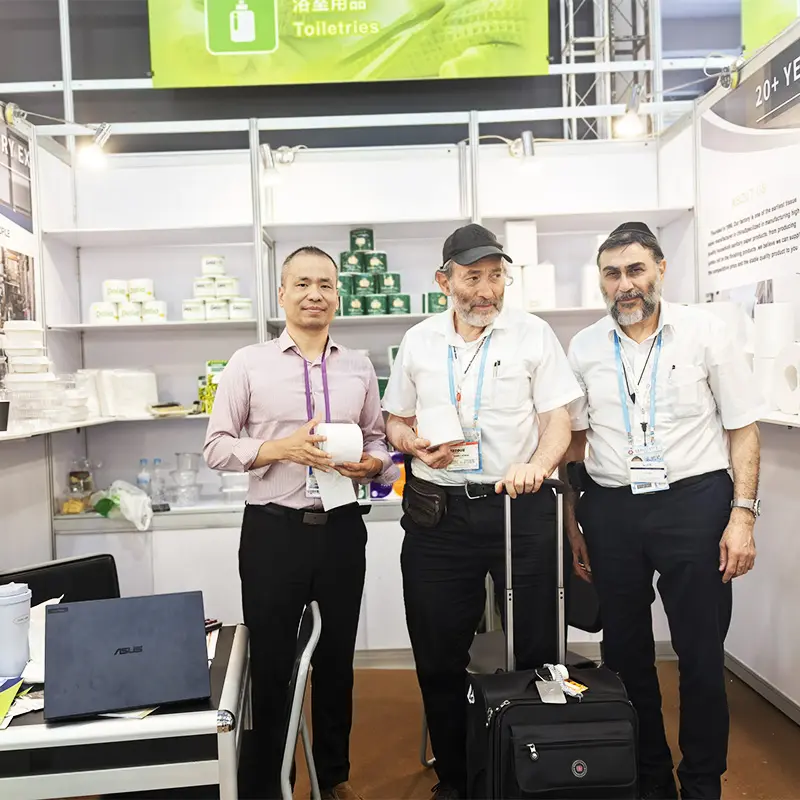
Kitchen rolls are bulky items that can lead to high sea-freight costs if not packed efficiently. Baoda's packaging engineers calculate roll diameter, core size, and compression factors to optimize container loading. By applying controlled mechanical compression during wrapping, we can fit up to 15% more rolls per 40HQ container, lowering per-unit transport costs for international buyers.
We offer full OEM support, covering retail-ready designs, barcodes, and inner core printing. We provide diverse packaging options, including single-roll wraps, twin-packs, multi-packs (4, 6, 8, or 12 rolls), and bulk industrial packaging, ensuring compatibility with retail shelves and commercial dispensers.
With an annual capacity of over 30,000 tons, we maintain structural pulp inventories to buffer against raw material market fluctuations. This allows us to offer stable, long-term pricing agreements to our volume buyers, shielding them from pulp market volatility.
Verifiable compliance with international standards, ensuring smooth customs clearance and regulatory alignment.
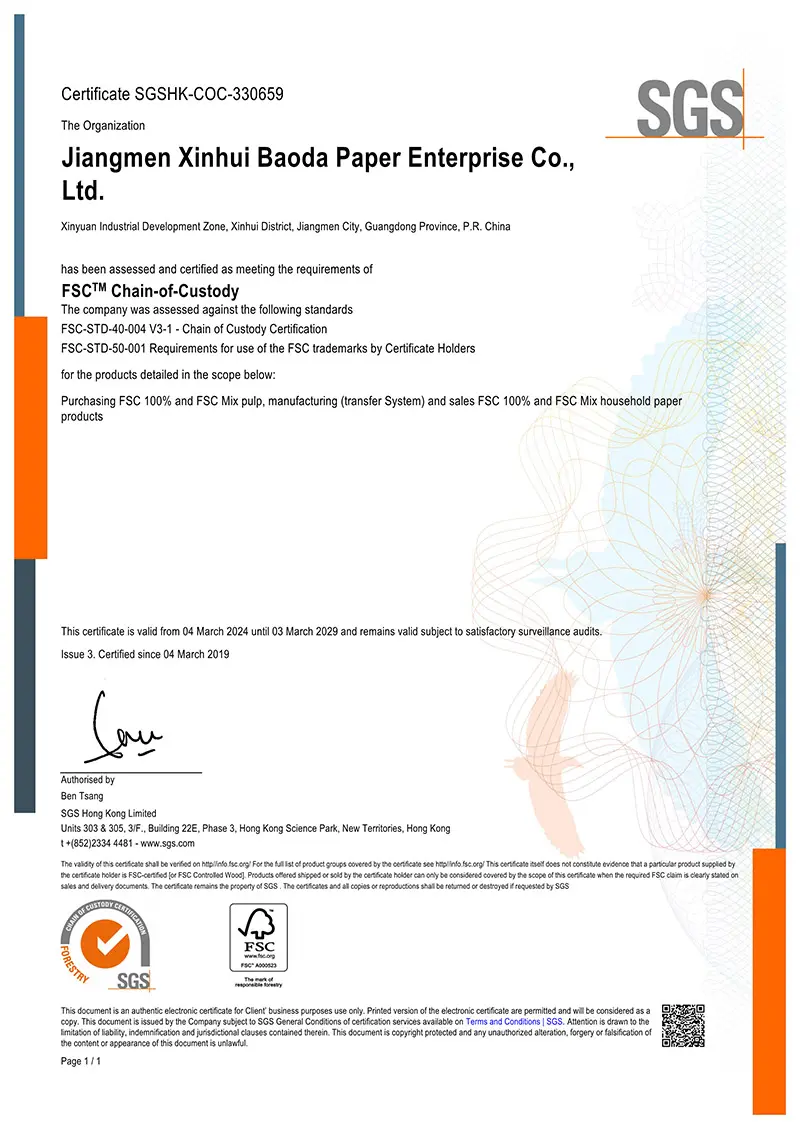
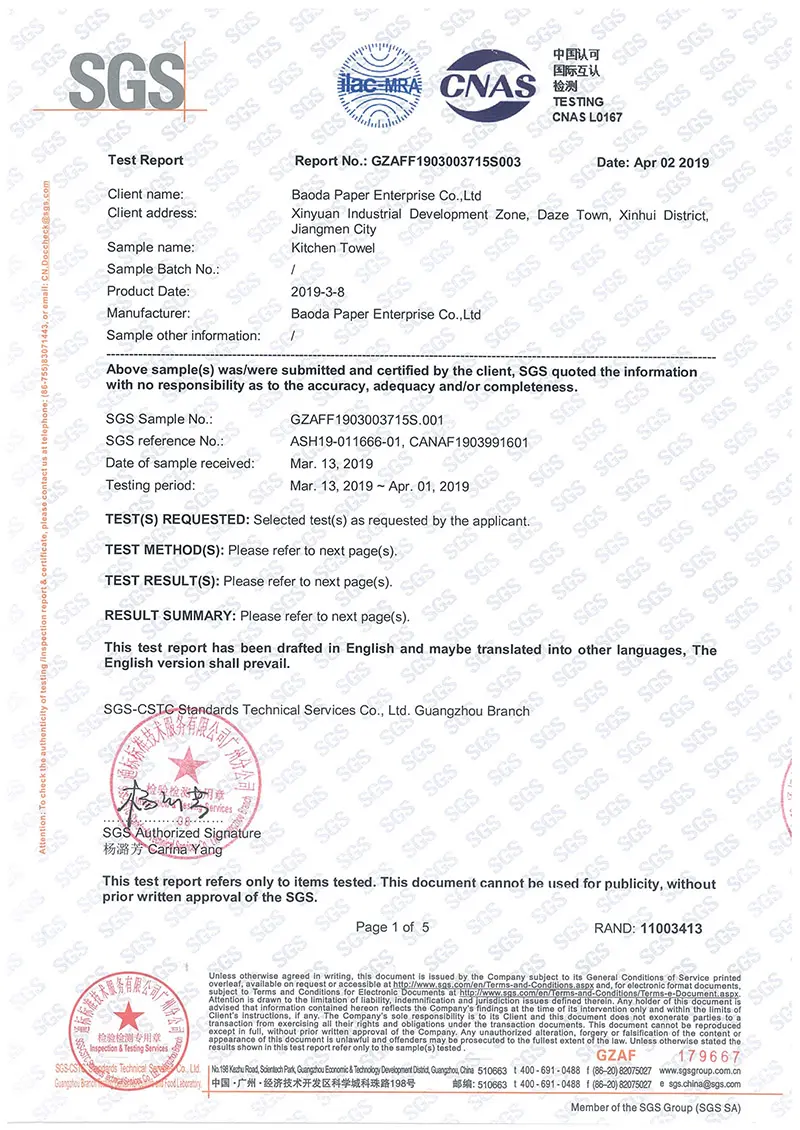
For kitchen paper towels, chemical safety is critical since these products frequently come into contact with food. Sourcing from uncertified mills can lead to border rejections or product recalls due to traces of heavy metals, optical brighteners, or chemical residues.
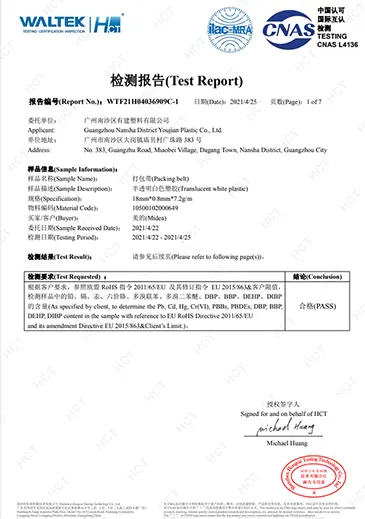
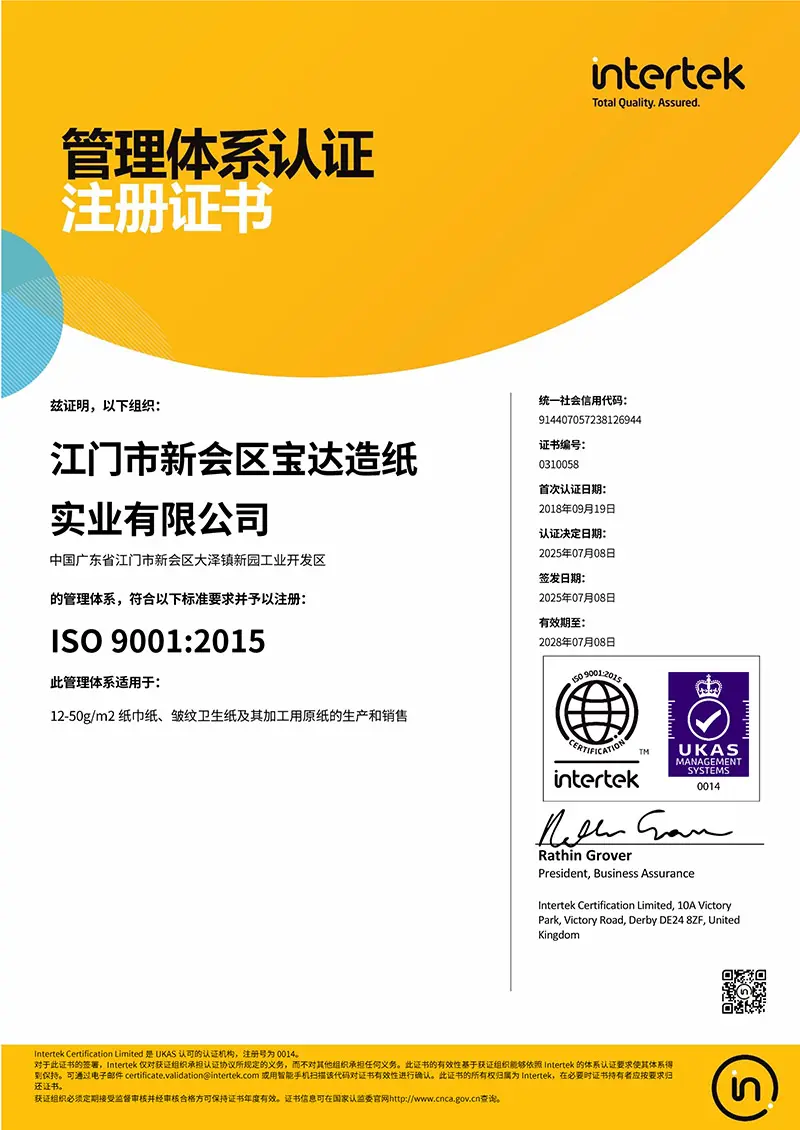
Baoda operates under strict compliance regimes, holding certifications that meet global regulatory standards:
Key technical and logistics questions answered by our tissue engineering and export specialists.
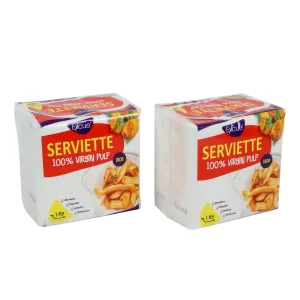
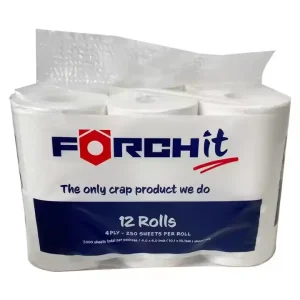
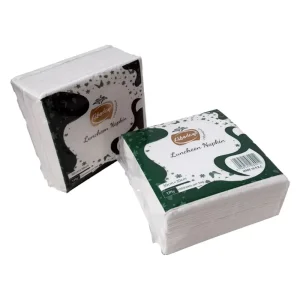
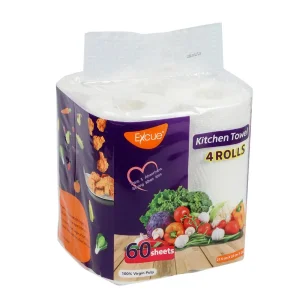
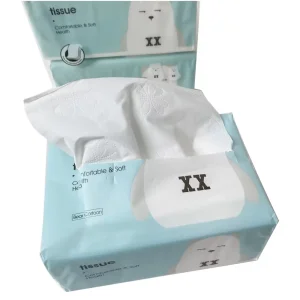
Complete your catalog with our specialized tissues, hygiene rolls, and customizable food-service napkins.
 BAODA PAPER